10 Tips for Buying Plastic Bags Wholesale Globally
Buying plastic bags wholesale across borders is more complex than comparing prices on a supplier’s spreadsheet. Product quality, material composition, factory capability, shipping terms, and local packaging rules all affect the final cost. A low quotation may hide weak seals, inconsistent thickness, or expensive customs delays.
Ellen MacArthur, a leading circular-economy expert, has stated, “A circular economy is based on designing out waste and pollution.” This principle matters when choosing plastic bags for retail, food, industrial, or logistics use. Buyers should examine whether the bag’s design matches its purpose, instead of selecting excessive material without evidence. Ask for clear specifications, including dimensions, thickness, load capacity, closure type, recycled content, and printing requirements.
Small details matter.
A reliable sourcing process should include factory audits, production samples, test reports, and written quality standards. A sample may perform well while mass production varies. That risk is easy to underestimate. Confirm minimum order quantities, lead times, payment conditions, packaging methods, and shipping responsibilities before placing an order. Suppliers should also explain their environmental claims with verifiable documentation, not attractive slogans.
This guide presents ten practical tips for buying plastic bags wholesale globally. It focuses on supplier evaluation, product testing, cost control, responsible material choices, and dependable communication. Some recommendations may require more time or a higher initial budget. That is not always comfortable. However, preventing one failed shipment can protect cash flow, customer trust, and long-term purchasing decisions.
Define Your Plastic Bag Requirements and Wholesale Objectives
Before requesting wholesale quotes, define the job your plastic bags must perform. Record bag length, width, thickness, material, handle style, load weight, color, printing, and packing method. A grocery bag and an industrial liner need different specifications. Ask whether recycled content is suitable for your product and supply chain. Do not rely on “heavy duty” alone.
Tip: Build a one-page requirement sheet. Include monthly volume, target cost, minimum order quantity, delivery window, and destination. OECD’s Global Plastics Outlook reports that packaging creates about 40% of global plastic waste. This makes material efficiency a purchasing issue, not just a design choice. Thin bags may reduce material use, but weak seals can increase waste.
Your objective should be measurable. Choose the priority: lowest landed cost, stable quality, faster delivery, or documented environmental performance. Then rank the trade-offs. UNEP’s 2023 Turning off the Tap report identifies reuse, recycling, and reduced material use as major routes for cutting plastic pollution. Request test samples before approving production. Check seal strength, tear resistance, odor, dimensions, and performance after storage. A sample can look perfect and still fail under real weight.
Tip: Ask suppliers for test methods, batch records, material declarations, and production tolerances. Confirm applicable import, packaging, labeling, and waste rules in every destination market. I have seen buyers calculate unit price but overlook freight, duties, damaged cartons, and inspection costs. That mistake is expensive. A clear objective helps, although it may change after the first realistic quotation.
Verify Global Suppliers, Product Quality, and Manufacturing Standards
Buying plastic bags wholesale globally requires evidence, not attractive promises.
Verify the supplier’s legal identity, factory address, export history, and production capacity. Request material specifications, including resin type, thickness, dimensions, tensile strength, and allowable tolerance. Samples matter. Compare samples with the final production contract, because small changes can affect sealing, load strength, and packaging efficiency.
The OECD Global Plastics Outlook (2022) reported 353 million tonnes of plastic waste in 2019, while only 9% was recycled. This makes material traceability and responsible production important. Ask for credible test reports covering composition, migration, strength, and thickness. Check whether the laboratory is independent and whether the report matches the actual factory and product.
ISO 9001 certification can support process control, but a certificate alone proves little.
Confirm its validity and audit scope. ISO 2859-1 sampling procedures can help define acceptable quality levels during inspection.
Review factory hygiene, worker safety, storage conditions, and batch labeling through an on-site or independent audit. Confirm production lead times, packaging details, Incoterms, payment stages, and inspection rights in writing. Avoid paying the full balance before verification. A low quotation may hide thinner material or unstable output. I have seen polished documents fail to match physical goods. That remains an uncomfortable risk. Recheck everything.
Confirm Compliance, Contracts, Payment Terms, and Quality Inspections
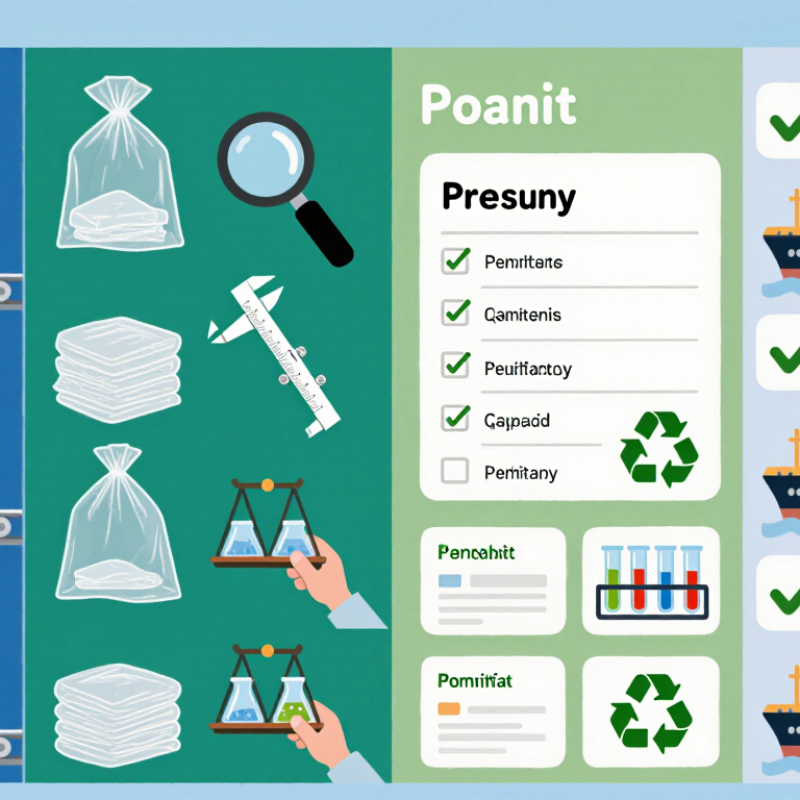
Buying plastic bags wholesale across borders starts with compliance, not a low quote. Ask for material specifications, intended use, thickness, dimensions, recycled content, and destination-country requirements. Request current test reports from an independent laboratory. Check food-contact, labeling, waste, and packaging rules when relevant. Requirements differ by market. Never rely on a supplier’s “export approved” message alone. I once reviewed a shipment where printed dimensions matched the order, but usable width was smaller after sealing. That small gap caused repacking costs.
Put every measurable detail in the contract: resin type, gauge tolerance, color reference, print location, roll length, carton count, defect limit, delivery date, and inspection method. Define who pays for rework, replacement freight, or rejected goods. A clear sample approval matters. Keep a signed golden sample with its date and revision code. Vague wording creates expensive arguments. It happens easily.
Avoid paying the full amount before production unless risk is carefully assessed. Link staged payments to documented milestones, such as sample approval, production photos, and pre-shipment inspection. Use traceable payment channels and verify bank changes independently. For quality control, inspect raw materials, seal strength, odor, print alignment, and random carton weights. An inspection report is evidence, not perfection. I would still open cartons after arrival because sampling can miss uneven thickness or hidden moisture. Record photos, batch numbers, and complaints promptly. This improves future orders, though it cannot repair a weak contract.
10 Tips for Buying Plastic Bags Wholesale Globally - Confirm Compliance, Contracts, Payment Terms, and Quality Inspections
The chart shows the number of practical verification points assigned to each buying tip. These points cover documents, specifications, contractual terms, payment controls, inspections, and shipping evidence that buyers can verify before placing or releasing a wholesale order. Regulatory requirements vary by destination, so local rules should always be confirmed.