2026 Top Trends in Retail Packaging for Sustainable Solutions?
As the world moves towards more sustainable practices, retail packaging is at the forefront of innovation. Industry expert Sarah Johnson states, "Sustainable packaging is not just a trend; it's a necessity." Her insight highlights the pressing need for eco-friendly solutions in retail.
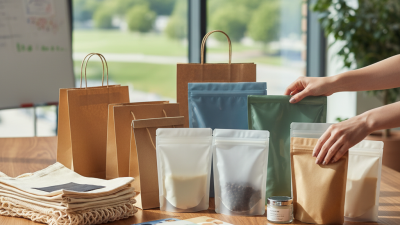
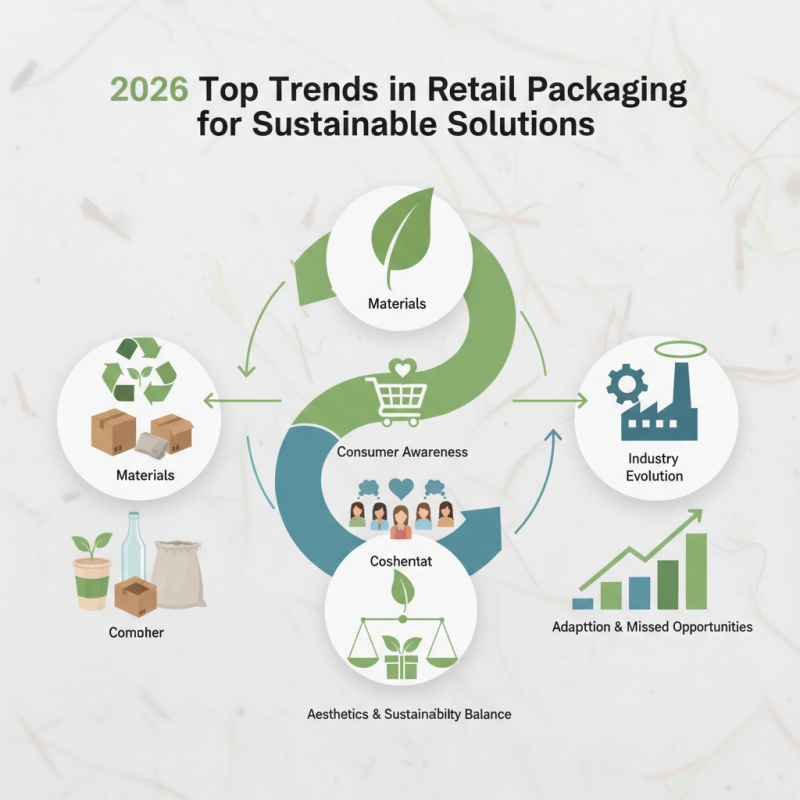
Retail packaging serves multiple purposes. It protects products, attracts consumers, and increasingly reflects a brand's commitment to the environment. In 2026, the focus will shift more prominently to materials that are recyclable and biodegradable. However, not all brands are adapting quickly, leading to missed opportunities.
Consumers are more aware than ever of their choices. They seek out products that not only meet their needs but also align with their values. Retail packaging should aim for a balance between aesthetics and sustainability. Many companies still struggle with this blend, indicating a clear area for growth. It’s essential for the retail packaging sector to evolve, yet many are hesitant to make the necessary changes.
Emerging Technologies in Sustainable Retail Packaging Solutions
Innovative technologies are reshaping retail packaging for a sustainable future.
Biodegradable materials are gaining traction, driven by consumer demand for eco-friendly options.
These materials decompose naturally, reducing landfill waste. Companies are exploring plant-based plastics, which offer a renewable alternative.
However, challenges remain in scalability and cost.
Smart packaging is another emerging trend.
Sensors and QR codes enhance the consumer experience, providing information about product origin and recycling guidelines.
This transparency can build trust but requires a tech-savvy audience.
Not all consumers engage with digital features, raising questions about accessibility.
Automation and AI also play a role. These technologies streamline production, minimizing waste during the packaging process.
Yet, reliance on technology can lead to over-engineering.
Simplicity often gets overlooked while chasing innovation. The balance between efficiency and sustainability is not always easy to achieve.
Brands must rethink their strategies to create meaningful environmental impact.
Biodegradable and Compostable Materials Transforming Packaging Design
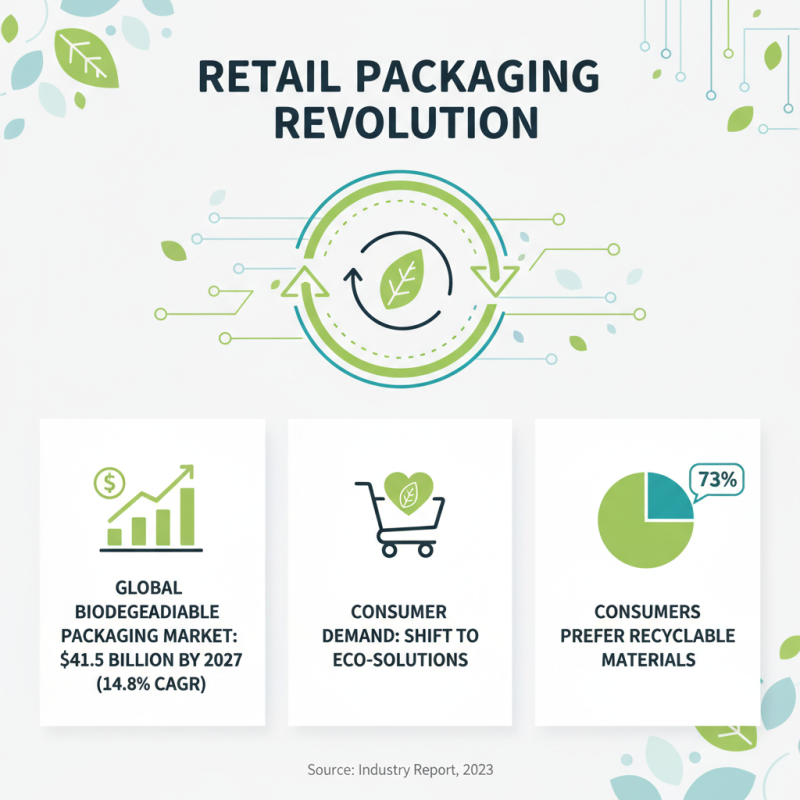
The rise of biodegradable and compostable materials is reshaping the retail packaging landscape. A recent report shows that the global biodegradable packaging market is projected to reach $41.5 billion by 2027, growing at a CAGR of 14.8%. This shift is largely driven by consumer demand for sustainable solutions. Shoppers are increasingly opting for products with eco-friendly packaging. In fact, around 73% of consumers prefer brands that use recyclable materials.
With the emergence of innovative materials, packaging design is evolving. Many companies are now experimenting with materials like plant-based plastics and mycelium. These alternatives not only reduce waste but also maintain functionality. However, there are challenges. Not all compostable materials break down in typical landfill conditions. This creates confusion for consumers eager to embrace sustainable practices.
Moreover, businesses often struggle to balance cost and eco-friendliness. Despite the long-term benefits, the initial investment in sustainable materials can be high. For many, the switch remains a daunting task. As the demand for biodegradable options grows, the industry must continue refining products and educating consumers. Ultimately, both brands and buyers share the responsibility for creating a greener future.
Innovative Reuse and Refill Systems in Retail Packaging
Retail packaging is evolving rapidly. Innovative reuse and refill systems are gaining traction. These systems help reduce waste and promote sustainability. In fact, a recent report estimates that by 2025, reusable packaging could save the global economy over $1 trillion.
Many consumers prefer brands that offer eco-friendly packaging solutions. A survey found that 72% of consumers are willing to pay more for sustainable packaging. Refill stations are popping up in grocery stores and cafes. These stations enable customers to fill their own containers, cutting down on single-use plastics. However, not all practices are flawless. Some consumers feel uncertain about the hygiene of refill systems.
Transitioning to these systems presents challenges. There is still a lack of infrastructure in many regions. Consumers may also forget to bring their containers. Education on effective reuse practices remains crucial. Without awareness, these systems may not reach their potential. A careful balance between convenience and sustainability is essential for success.
2026 Top Trends in Retail Packaging for Sustainable Solutions
This chart illustrates the projected adoption rates of innovative reuse and refill systems in retail packaging over the next few years, highlighting the industry's shift towards sustainable solutions.
Consumer Trends Driving Sustainability in Packaging Choices
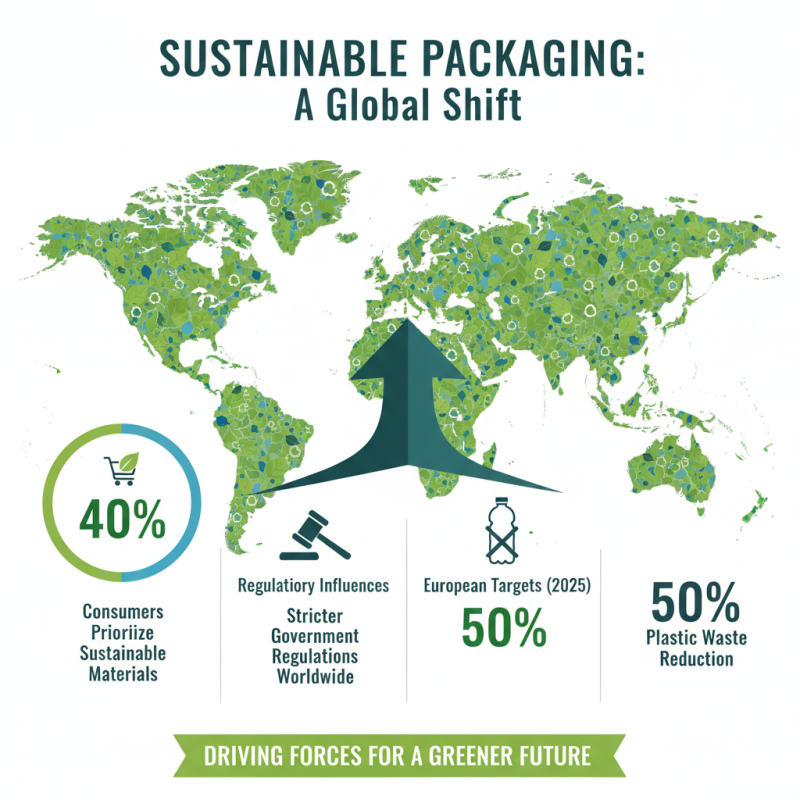
As consumers become more environmentally conscious, they increasingly prioritize sustainable packaging options. This shift is not merely a trend; it reflects a profound change in values. Shoppers now seek products with eco-friendly materials. Their choices are influenced by brand transparency and ethical sourcing. When packaging is recyclable or compostable, it resonates well with modern buyers.
The demand for minimalism in packaging is also growing. Overly extravagant designs are being replaced by simpler, more efficient solutions. Consumers appreciate clear labeling that informs them about disposal methods. However, many brands still struggle to balance aesthetics with sustainability. Some packaging solutions may claim to be eco-friendly but lack real impact. This inconsistency raises questions for discerning buyers.
Additionally, the urgency for sustainable practices is amplified by the increasing awareness of climate issues. Consumers are reflecting on their choices more critically. They want tangible actions, not just clever marketing phrases. The challenge remains for companies to provide genuinely sustainable solutions. Amidst this evolution, a deeper dialogue is needed on how to achieve true sustainability in packaging choices.