Top Benefits of Paper Packaging for Sustainable Business Practices
As businesses increasingly prioritize sustainable practices, paper packaging has emerged as a viable solution. According to a report by Smithers Pira, the global paper packaging market is projected to reach $450 billion by 2025, driven by growing environmental concerns. This significant demand underscores the importance of adopting eco-friendly materials.
Expert in sustainable packaging, Dr. Emily Chen, advocates for paper packaging: "Using paper over plastics can drastically reduce carbon footprints." This statement highlights the growing recognition of paper packaging's benefits. It not only minimizes waste but also supports recycling initiatives, making it a favorable choice for businesses.
Yet, some challenges remain. The production process of paper packaging can still contribute to deforestation and water pollution. Companies must strive for responsible sourcing and sustainable practices. Balancing efficiency with environmental responsibility is essential. Transitioning to paper packaging isn't just an industry trend; it reflects a broader commitment to sustainability.
Overview of Paper Packaging and Its Role in Sustainability
Paper packaging plays a critical role in sustainability. It is renewable and biodegradable. Many studies show it can significantly reduce waste. According to a report by the Paper and Paperboard Packaging Environmental Council, paper packaging is recycled at a rate of around 66%. This means more trees remain standing, supporting biodiversity.
Despite its benefits, challenges exist. The production of paper packaging often requires significant water and energy. A 2021 environmental impact study indicated that approximately 1,100 gallons of water are needed to produce just one ton of paper. While the recycling rate is promising, not all facilities are equipped to process paper properly.
Moreover, consumer awareness is essential. Many still choose plastic packaging due to its durability. Yet, 74% of consumers are willing to pay more for sustainable options. This indicates a growing demand for paper packaging. Education around its benefits can drive further change.
Environmental Advantages of Paper Packaging Compared to Alternatives
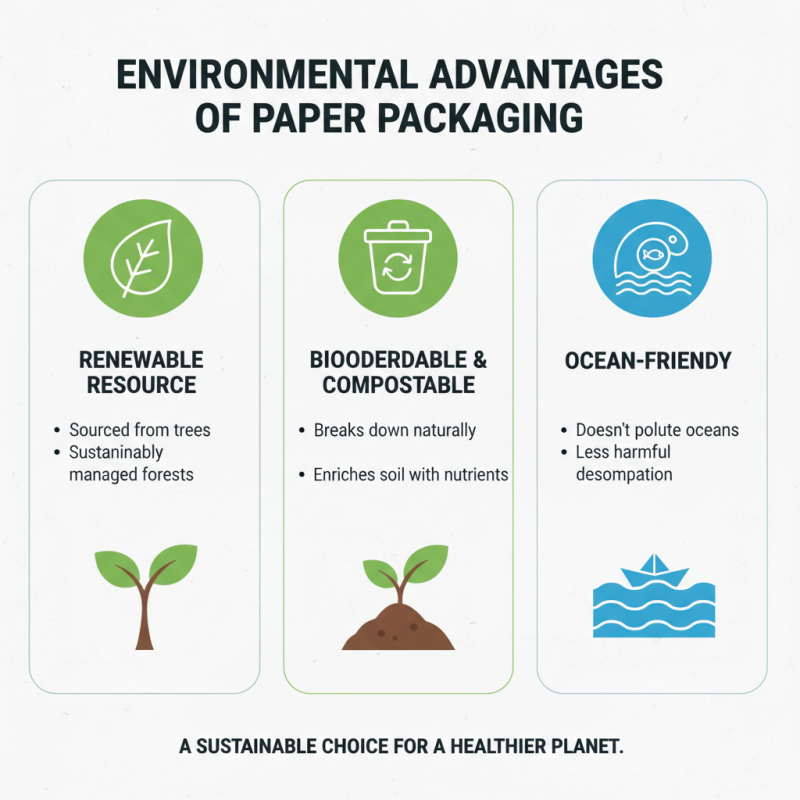
Paper packaging offers various environmental benefits over its alternatives. It is derived from renewable resources, making it a more sustainable choice. Most paper materials break down naturally, reducing landfill contributions. Unlike plastic, paper does not pollute oceans in the same way. The decomposing process is less harmful, and it adds nutrients back to the soil.
Despite its advantages, paper packaging is not without flaws. High energy is required during production, which can lead to emissions. Sourcing practices may sometimes contribute to deforestation. This creates a need for improvement in sustainable forestry management. Also, not all paper products are recyclable. Some have chemical coatings that complicate the recycling process.
Using paper is generally beneficial but requires mindful choices. Consumers can seek out products certified for sustainable practices. Businesses should focus on creating supply chains that prioritize eco-friendly materials. With ongoing development, paper packaging can align better with green business practices.
Economic Impacts of Adopting Paper Packaging for Businesses
The transition to paper packaging can bring significant economic benefits for businesses. Many companies are now recognizing this shift. By using paper instead of plastic, they can reduce their operational costs. Paper is generally less expensive to produce, especially with rising plastic prices. Furthermore, paper can be sourced from recycled materials, which may lower raw material expenses.
Customers are more conscious of sustainability. Businesses adopting paper packaging can attract eco-minded consumers. This can lead to increased sales and brand loyalty. However, companies may face challenges. They need to ensure that paper packaging meets quality standards. Not all paper options are created equal. Some might not withstand shipping or storage requirements effectively. Striking the right balance can be a trial-and-error process.
Another consideration is the supply chain. Transitioning to paper may require finding new suppliers. This can disrupt established relationships and logistics. Some businesses may hesitate due to potential upfront costs. Yet, over time, the switch can yield savings. It’s worth reflecting on the long-term viability of paper packaging. The apparent benefits may come with hidden complexities.
Top Benefits of Paper Packaging for Sustainable Business Practices
| Benefit |
Economic Impact |
Sustainability Contribution |
Consumer Perception |
| Cost Efficiency |
Lower shipping costs due to reduced weight |
Biodegradable and recyclable |
Positive brand image among eco-conscious consumers |
| Market Growth |
Increased sales in green products |
Encourages responsible sourcing |
Attracts new customer segments |
| Versatility |
Adaptable to different products |
Supports circular economy initiatives |
Fosters loyalty through eco-friendly options |
| Brand Differentiation |
Enhances competitive advantage |
Less environmental pollution |
Builds trust and transparency |
| Regulatory Compliance |
Avoidance of fines and penalties |
Aligns with global sustainability goals |
Reinforces ethical practices |
Consumer Preferences and Market Trends Favoring Paper Packaging
The shift towards paper packaging is increasingly driven by consumer preferences. Research shows that 75% of consumers favor sustainable packaging options. This trend reflects a broader awareness of environmental issues. Today, customers actively seek brands that align with their values. Paper packaging is often viewed as more eco-friendly than plastic.
As more businesses adapt, 58% of consumers report feeling positive about companies that use paper. This is supported by market trends, with the global paper packaging market projected to reach $500 billion by 2027. Businesses can tap into this enthusiasm by highlighting their eco-friendly initiatives. They can engage consumers through targeted campaigns that showcase the benefits of paper packaging.
Tips: Consider including clear recycling information on packaging. Make it easy for consumers to understand the environmental impact. Sharing behind-the-scenes stories about sourcing materials can enhance transparency. Engage with customers on social media, inviting them to share their experiences with your products. Not all strategies guarantee success, so regularly reassess consumer feedback to improve your approach.
Innovative Developments in Paper Packaging Technologies for Sustainability
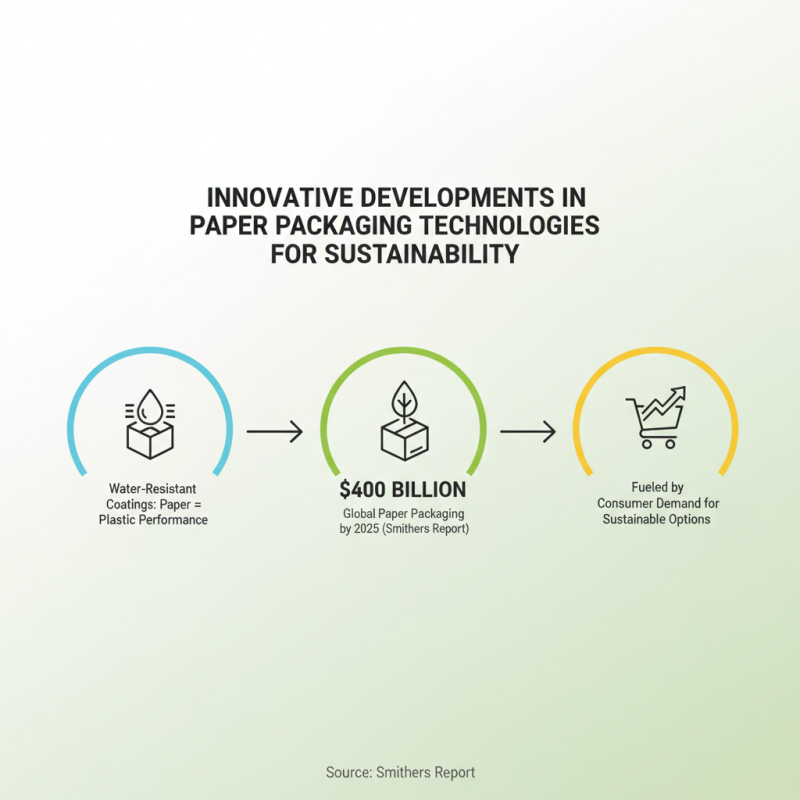
Innovative developments in paper packaging technologies are transforming the landscape of sustainable business practices. For instance, advancements in water-resistant coatings are paving the way for paper packaging to perform as effectively as plastic. A recent report from Smithers reveals that the global market for paper packaging is projected to reach $400 billion by 2025. This growth is fueled by increased consumer demand for sustainable options.
Biodegradable paper options are gaining traction too. Brands are adopting these materials to minimize their environmental footprint. According to a study by the Paper and Packaging Board, 70% of consumers are willing to pay more for eco-friendly packaging. This shift indicates a significant opportunity for businesses to innovate, yet many still rely on conventional materials. The challenge remains to balance performance with sustainability.
Despite these advancements, issues such as the sourcing of materials and production emissions require attention. While paper is often seen as a green alternative, its production can be resource-intensive. An estimated 73% of all paper is derived from virgin fibers, putting sustainability efforts at risk. It’s essential for businesses to continuously evaluate their sourcing practices. Engaging in a transparent dialogue about sustainability will help to build trust with consumers who are increasingly educated about their choices.