Top 10 Benefits of Plastic Packaging for Various Industries?

In today’s fast-paced world, industries rely heavily on effective solutions for packaging. Plastic packaging emerges as a standout choice across various sectors. Its versatility allows it to meet numerous needs. For example, food companies benefit from its ability to preserve freshness. The flexibility of plastic packaging means brands can create unique designs easily.

However, the reliance on plastic packaging raises questions. Environmental concerns are at the forefront of discussions. Many industries face pressure to reduce waste. Yet, the benefits of plastic packaging cannot be ignored. It offers durability and cost-effectiveness, making it appealing for manufacturers.

The advantages of plastic packaging transcend mere practicality. It streamlines logistics, ensures product safety, and enhances shelf appeal. As we explore the top benefits, we must also acknowledge the ongoing challenge of sustainability. How can industries strike a balance between convenience and environmental responsibility?
Top 10 Benefits of Plastic Packaging for Various Industries?

Advantages of Plastic Packaging for Food Preservation and Safety

Top 10 Benefits of Plastic Packaging for Various Industries?

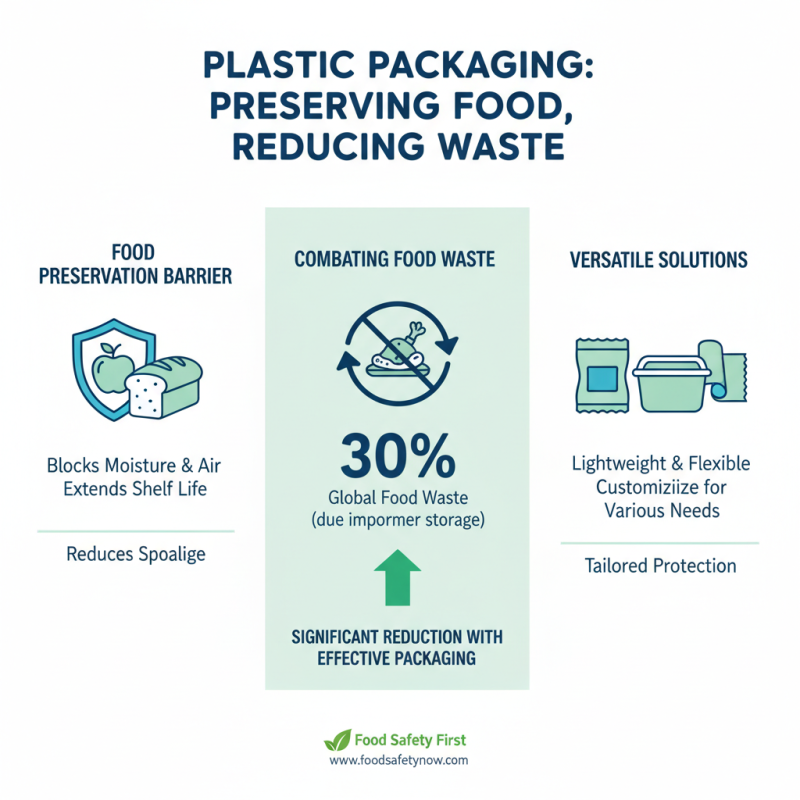
Plastic packaging plays a crucial role in food preservation and safety. It acts as a barrier against moisture and air, which helps reduce spoilage. According to industry reports, about 30% of the world’s food production is wasted due to improper storage. With effective plastic packaging, this waste can be significantly decreased. Lightweight and flexible, plastic materials can be tailored to meet various preservation needs.

Additionally, plastic packaging offers convenience for consumers. Food items can be easily opened and resealed, maintaining freshness longer. A study from the Packaging Association found that 70% of consumers prefer packaging that ensures safety and extends shelf life. However, challenges exist. Improper disposal of plastic can lead to environmental issues. While plastic packaging is beneficial, its recycling rates remain low in many regions. This raises questions about sustainable practices.

In terms of safety, plastic helps in reducing contamination. It provides a hygienic barrier from pathogens. However, concerns about chemical leaching from plastics into food persist. Research shows that certain types of plastic can release harmful substances. Thus, industries must focus on using safer materials. Awareness and innovation in bioplastics could be part of the solution. Overall, while plastic packaging is vital in food safety, it's essential to balance its use with environmental responsibility.


Impact of Plastic Packaging on Product Shelf Life and Freshness

Top 10 Benefits of Plastic Packaging for Various Industries?

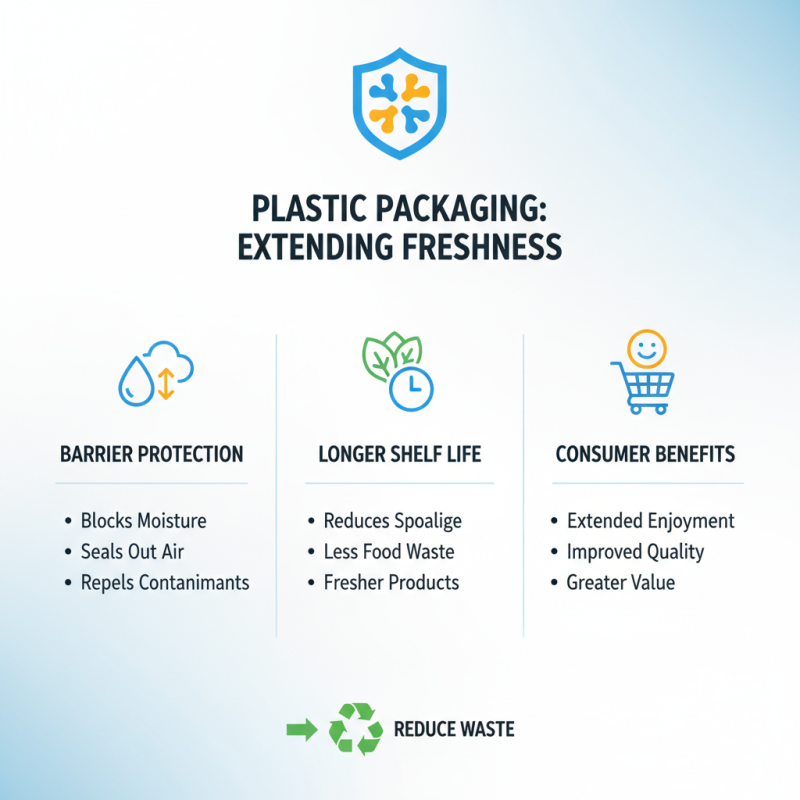
Plastic packaging plays a crucial role in enhancing product shelf life and maintaining freshness. It acts as a barrier against moisture, air, and external contaminants. This feature is especially beneficial for food products, which are highly perishable. By utilizing plastic packaging, companies can reduce spoilage, leading to less waste. The longer shelf life means consumers enjoy fresher products for extended periods.

When it comes to tips for effective packaging, choose the right type of plastic. Different plastics serve varied purposes. For example, flexible plastic films are great for snacks, while rigid containers suit liquids. Understanding your product's needs is essential. Also, consider adding resealable features. This simple design adds convenience and ensures products stay fresh longer.

However, the environmental impact of plastic cannot be ignored. Recycling rates are still low. Many consumers feel conflicted about using plastic. It's vital for industries to be transparent about their efforts in sustainable packaging. Regularly evaluate the plastic choices and their lifecycle. Aim for improvement. This not only aids in freshness but addresses larger ecological concerns.

Cost-Effectiveness of Plastic Packaging in Manufacturing and Distribution

Plastic packaging offers significant cost-effectiveness in manufacturing and distribution. It is lightweight, reducing shipping costs. This translates to lower fuel consumption during transport. Industries can save on both operational expenses and time. The efficiency of plastic materials helps streamline production processes.

However, the reliance on plastics raises environmental concerns. Many packages do not break down easily after use. This creates a cycle of waste that we must address. Companies are challenged to balance cost savings with sustainable practices. Innovations in recycling programs can help alleviate these issues. Yet, the responsibility often falls on manufacturers to lead the way.

In addition, businesses need to consider the initial investments in plastic technology. While the long-term savings are clear, up-front costs can be daunting. Many firms struggle with this financial reality. Finding the right balance between economic benefits and environmental impacts is crucial. Continuous improvement in production and recycling may bridge this gap.

Environmental Considerations and Innovations in Plastic Packaging

Plastic packaging offers significant advantages across various sectors, yet environmental issues pose challenges. With over 300 million tons of plastic produced annually, it is crucial to focus on innovations that minimize environmental impact. Research shows that advancements in biodegradable plastics could reduce landfill waste by up to 50% by 2030. Such improvements present a promising direction for the industry.

Recycling remains a critical concern. According to the Environmental Protection Agency, only about 9% of plastic is recycled globally. This statistic highlights the need for better recycling infrastructure and consumer education. Brands should prioritize using recycled materials. Transitioning to circular economy models could spur growth while benefiting the planet.

Tips: Consider using materials like PLA or PET, known for eco-friendliness. Engage in community recycling efforts. Collaborate with organizations advocating for responsible plastic use. Enhancing consumer awareness can drive a shift in packaging choices toward sustainable alternatives.

Top 10 Benefits of Plastic Packaging for Various Industries

Benefit Description Industry Impacted Environmental Consideration
Lightweight Reduces shipping costs and emissions Logistics, Food & Beverage Lower carbon footprint
Durability Resistant to breaking and damage Consumer Goods Less waste from damage
Versatility Can be molded into various shapes and sizes Pharmaceuticals, Electronics Reduced resource consumption through customization
Cost-Effectiveness Lower material cost compared to alternatives Manufacturing, Retail Economic efficiency can lead to less overproduction
Barrier Protection Protects contents from moisture, light, and contamination Food & Beverage, Health Products Less food waste
Branding Opportunities Allows for vibrant colors and printing Consumer Goods Encourages eco-friendly branding
Recyclability Many plastics can be recycled Various Industries Promotes circular economy
Safety Non-breakable and unsharp materials Household, Children’s Products Reduces injury risks
Convenience Easy to use and reseal Snacking, Food Service Encourages responsible consumption patterns
Innovations in Bioplastics Development of sustainable packaging alternatives Various Industries Addresses plastic pollution issues

Versatility of Plastic Packaging Across Different Industries

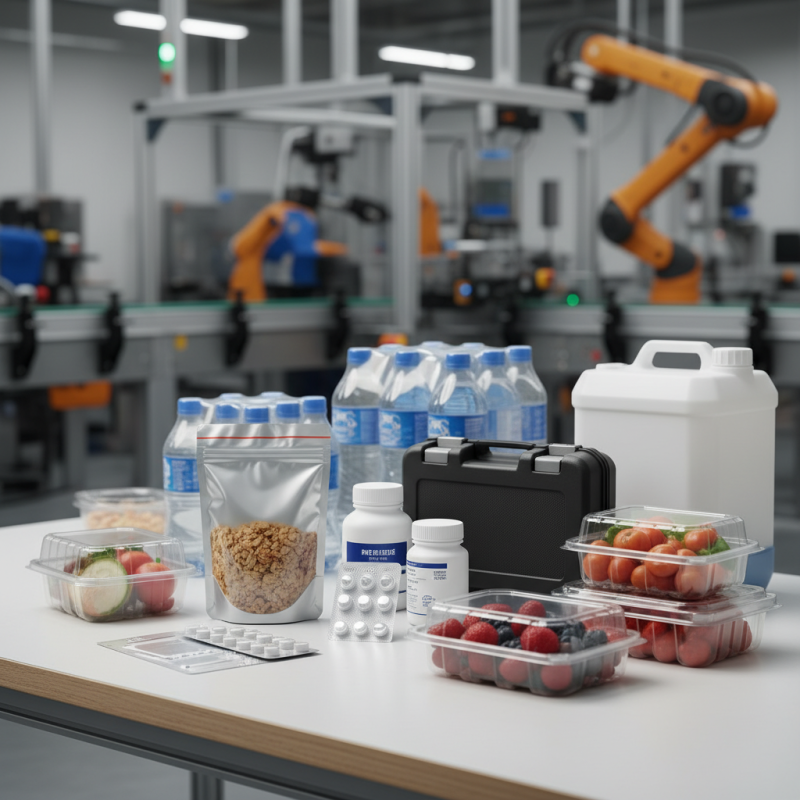
Plastic packaging has emerged as a game-changer across various industries. Its versatility allows for multiple applications, from food storage to medical supplies. In the food industry, plastic packaging helps to maintain freshness and extend shelf life. Clear plastics let consumers see the product quality. However, not all plastics are recyclable, raising concerns about environmental impact.

In pharmaceuticals, plastic packaging ensures drug integrity and safety. It protects against moisture and light, which can degrade medications. The lightweight nature of plastic reduces transportation costs, but it also raises questions about durability. Some types of plastic may not provide ideal protection over time.

In cosmetics, plastic containers come in various shapes and sizes. They attract consumers with colorful designs. However, the environmental footprint of plastic is significant. As industries adopt sustainable practices, they must rethink their reliance on plastic. Balancing convenience and sustainability is a challenge faced by many sectors today.