What are the Best Wine Packaging Options Available?
Wine packaging plays a crucial role in the beverage industry. Expert Charles Smith, a renowned winemaker, emphasizes, "Good packaging speaks to the quality inside." This highlights the importance of selecting the right materials and designs to convey a wine's story.
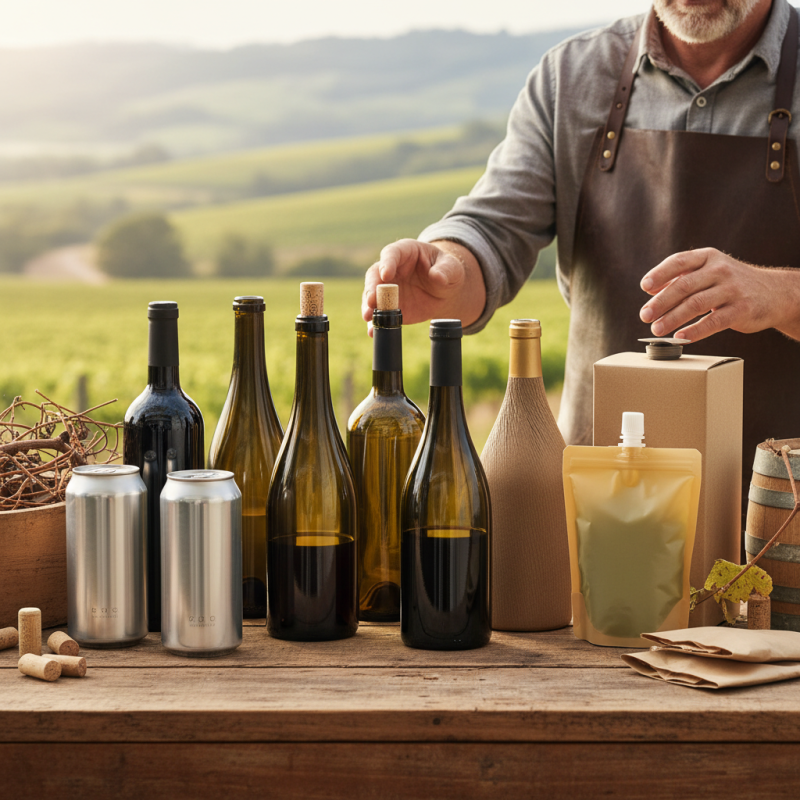
In today's competitive market, wine packaging options range from traditional glass bottles to innovative alternatives like cans and eco-friendly containers. Each choice affects not only the aesthetic but also the product's preservation and transportation. Many brands overlook the significance of sustainable practices, yet consumers increasingly seek environmentally friendly options.
Despite the advancements, the wine packaging industry still faces challenges. Some producers stick to outdated methods, limiting their appeal. As trends shift towards more eye-catching and functional designs, hesitation can hinder growth. It is essential to reflect on these aspects and adapt to stay relevant in this ever-evolving market.
Introduction to Wine Packaging: Importance and Trends
Wine packaging plays a crucial role in the wine industry. It protects the product and enhances its appeal. Good packaging can influence purchase decisions. Consumers often associate beautiful packaging with quality products. As trends evolve, so do expectations regarding wine packaging. Sustainability is becoming essential. Many customers prefer eco-friendly options.
Tips for selecting wine packaging include considering materials that retain freshness. Glass bottles are traditional but heavier. Lightweight alternatives, like Tetra Paks, are gaining attention. Explore the use of biodegradable materials. It's a wise choice that aligns with eco-conscious markets.
Remember to keep your design simple yet captivating. A cluttered label can detract from the wine's charm. Choose colors carefully; they evoke emotions. Test your designs with focus groups before launching. Collect feedback to improve. Packaging reflects your brand identity. It needs continual refinement to remain relevant.
Types of Wine Packaging Materials: Glass, Plastic, and Others
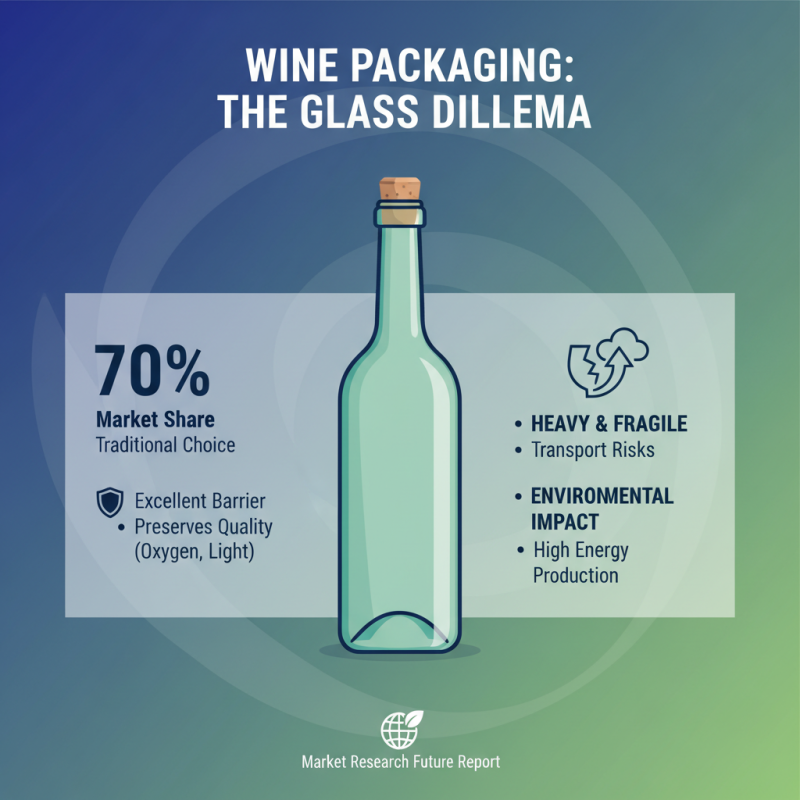
When it comes to wine packaging, various materials come into play. Glass remains the most traditional option. It offers an excellent barrier against oxygen and light, preserving the wine's quality. According to a report by Market Research Future, glass packaging holds about 70% of the market share in the wine industry. However, it can be heavy and fragile, which poses risks during transport. The environmental impact of glass is significant, given its high energy consumption during production.
Plastic has been a game changer in wine packaging. Lightweight and durable, plastic bottles can reduce shipping costs significantly. They also allow for innovative designs, making them visually appealing. A 2022 study noted that the use of PET plastic bottles is on the rise. Despite their advantages, some consumers question the sustainability of plastic. Many remain hesitant due to concerns about preserving the wine's taste.
Alternative materials are emerging as well. Bag-in-box packaging has gained popularity for its practicality. It's easy to store and keeps wine fresh after opening. Yet, challenges remain regarding consumer acceptance. Research shows that traditionalists often prefer glass. This resistance can make it difficult for new options to break into the mainstream market. Ultimately, while there are numerous promising options, the quest for the perfect wine packaging solution continues.
Sustainable Wine Packaging Solutions: Eco-Friendly Options
Sustainable wine packaging is gaining popularity. Eco-friendly materials offer a great way to reduce waste. Glass bottles can be heavy and hard to recycle. Alternative materials like Tetra Pak and biodegradable containers are emerging.
Tips: Consider using lightweight packaging. It can save on shipping costs and reduce carbon footprint. Look for options made from recycled materials. This small step can make a big difference.
Some winemakers are experimenting with plant-based plastics. These materials break down in natural environments. However, they are still less common. There's room for improvement in this area. Many of these options may not yet meet consumer expectations in quality or durability.
Remember to educate your customers. Explain the benefits of sustainable packaging. Encourage them to recycle or reuse their wine containers. It creates awareness and builds loyalty. Every action counts in the journey toward sustainability.
What are the Best Wine Packaging Options Available? - Sustainable Wine Packaging Solutions: Eco-Friendly Options
| Packaging Type |
Material |
Sustainability Rating |
Recyclability |
Typical Use |
| Glass Bottles |
Glass |
High |
Yes |
Traditional Wine Packaging |
| Tetra Pak |
Paperboard, Aluminum |
Medium |
Yes |
Alternative Packaging for Lower-Quality Wines |
| Kegs |
Stainless Steel |
High |
Yes |
On-Tap Wine Serving |
| Bag-in-Box |
Plastic, Cardboard |
Medium |
Partially |
Convenient for Everyday Use |
| Aluminum Cans |
Aluminum |
High |
Yes |
Outdoor and Casual Settings |
Innovative Wine Packaging Designs: Enhancing Brand Appeal
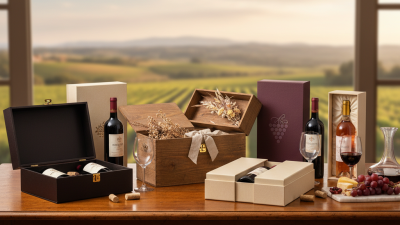
Innovative wine packaging designs play a crucial role in attracting consumers. Creative labels and unique bottle shapes can significantly enhance brand appeal. A sleek, modern design might catch the eye of a young demographic. Alternatively, eco-friendly materials appeal to environmentally conscious buyers.
Colors and textures matter too. A matte finish or embossed label can add a luxurious touch. However, not all designs are effective. Some may look appealing but fail to convey the wine’s quality. It's essential for wineries to test their packaging with consumers. They need feedback to understand what resonates.
Functionality cannot be overlooked. Traditional corks have challenges, such as spoilage. Alternative closures, like screw caps, may be practical but can seem less elegant. Finding the right balance between aesthetics and functionality is key. Brands must often revisit their designs, ensuring they reflect both quality and innovation.
Best Wine Packaging Options
Consumer Preferences in Wine Packaging: Research Insights
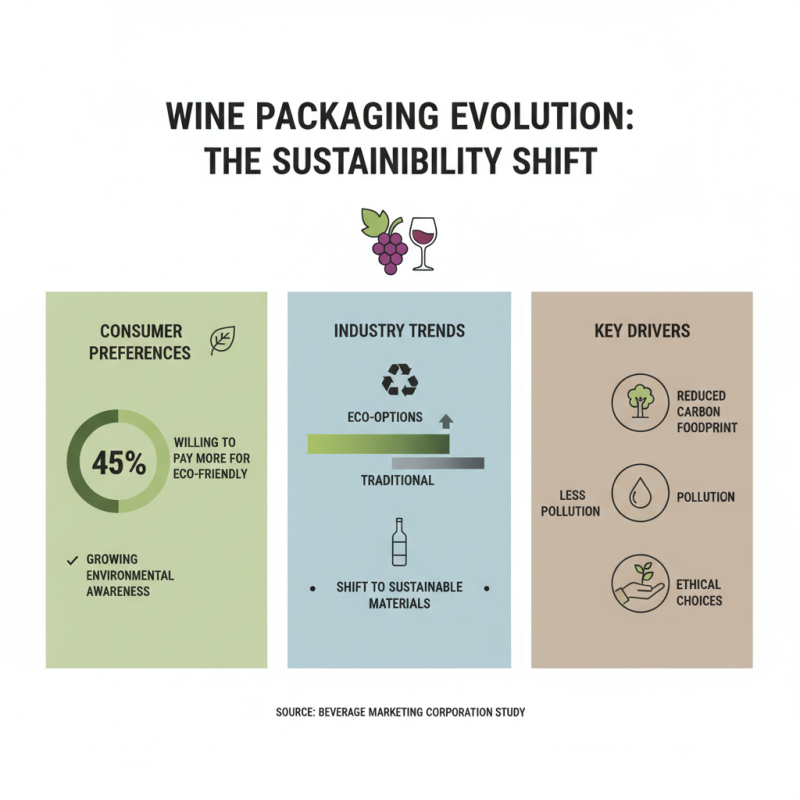
Consumer preferences in wine packaging have significantly evolved in recent years. A study by the Beverage Marketing Corporation reveals that eco-friendly options are becoming increasingly popular among wine drinkers. Approximately 45% of consumers are willing to pay more for sustainable packaging materials. This shift highlights a growing awareness of environmental issues within the industry.
Additionally, the rise of alternative wine packaging, such as cans and boxes, is reshaping consumer choices. Research indicates that 35% of millennials prefer wine in formats other than traditional bottles. This trend points to a desire for convenience and portability. However, some consumers still favor glass bottles for the perceived quality they represent. The challenge lies in striking a balance between innovation and tradition.
Despite these preferences, the packaging landscape is not without its challenges. Many consumers express confusion over labeling and recycling processes. This gap in understanding can deter purchases. Brands need to address these concerns with clearer messaging and education on how to recycle their products effectively. As packaging continues to evolve, consumer education will play a vital role in shaping future choices.