2026 How to Choose Eco Friendly Packaging for Your Business?
In recent years, the demand for eco friendly packaging has surged. According to a report by Grand View Research, the global eco-friendly packaging market is projected to reach $700 billion by 2027. Consumers are increasingly seeking sustainable options. This shift indicates a growing awareness of environmental impact.
Choosing eco friendly packaging is not just a trend; it's a necessity for businesses. The U.S. EPA reports that packaging contributes to over 30% of municipal solid waste. As businesses aim to reduce their carbon footprint, the choice of materials becomes crucial. Many companies still struggle with this transition. They often select options based solely on cost rather than sustainability.
Finding the right eco friendly packaging is complex. It's essential to determine what materials are truly sustainable. Many products labeled as "green" may not provide the environmental benefits they claim. Businesses must reflect on their choices carefully to ensure alignment with sustainability goals. This clarity will help guide their packaging decisions in the future.

Understanding the Importance of Eco-Friendly Packaging in 2026
In 2026, eco-friendly packaging is not just a trend. It’s crucial for businesses that want to remain relevant and responsible. Consumers are more aware of their environmental impact. They prefer brands that align with their values. Using sustainable materials reduces waste and conserves resources. Companies can make a difference by choosing eco-friendly options.
Here are some tips to consider: Look for biodegradable materials. Many options break down naturally, reducing landfill waste. You might also explore reusable packaging. This option can save costs in the long run. It encourages customers to return for more, creating a loyalty loop. Evaluate your entire supply chain too. Some suppliers still rely heavily on plastic.
However, switching to eco-friendly packaging can be challenging. The cost may initially be higher. Not all materials perform as well as traditional options. There may be trial and error involved. Businesses need to assess their needs and balance eco-impact with performance. It’s a journey worth taking, even if it’s imperfect. Small changes can lead to significant effects over time.
2026 How to Choose Eco Friendly Packaging for Your Business? - Understanding the Importance of Eco-Friendly Packaging in 2026
| Packaging Type |
Material |
Recyclability |
Sustainability Rating |
Cost per Unit |
| Corrugated Boxes |
Recycled Paper |
Yes |
A+ |
$0.50 |
| Biodegradable Bags |
PLA (Polylactic Acid) |
Yes |
A |
$0.15 |
| Glass Containers |
Recycled Glass |
Yes |
A++ |
$1.00 |
| Metal Cans |
Aluminum |
Yes |
A+ |
$0.30 |
| Kraft Paper Wrap |
Recycled Paper |
Yes |
A |
$0.10 |
Key Materials for Sustainable Packaging: Options and Benefits
Choosing eco-friendly packaging is crucial for businesses today. Many materials are available, each with unique benefits.
Recycled paper is a popular option. It’s biodegradable and often made from post-consumer waste. This
reduces the demand for virgin materials, aiding in sustainable practices. Still, not all paper types are equal. Some may have coatings that complicate recycling.
Bioplastics are another interesting choice. Made from renewable resources, they offer a sustainable alternative to traditional plastics.
They break down faster in environments compared to conventional plastics. However, they still require proper waste management systems for maximum effectiveness.
Remember, sourcing bioplastics can be tricky; some may still involve energy-intensive processes.
Glass and metal also stand out in the eco-friendly world. They are reusable, recyclable, and do not leach chemicals into products.
Yet, their weight can increase transportation emissions. Businesses must evaluate trade-offs. Choosing the right materials demands reflection on the
environmental impact throughout the entire lifecycle of the packaging. Each choice tells a story of your commitment to the planet.
Analyzing the Cost-Benefit Ratio of Switching to Eco-Friendly Solutions
Switching to eco-friendly packaging can be a game-changer for businesses. However, it’s vital to analyze the cost-benefit ratio before making the leap. According to recent studies, 74% of consumers are willing to pay more for sustainable packaging. This reflects a growing demand for greener alternatives. Yet, the initial investment can seem daunting. Eco-friendly materials often come at a higher price compared to traditional options.
When considering the financial impact, factor in long-term savings. Produced sustainably, these materials can reduce waste disposal costs. Many companies report that after switching, they see a decrease in packaging waste by up to 30%. This can also enhance brand loyalty. Customers appreciate companies that prioritize environmental responsibility, often leading to repeat sales.
Tips:
- Start small. Test eco-friendly options on a limited scale.
- Evaluate your supply chain. Seek partners dedicated to sustainability.
Reflect on your current packaging practices. Can any materials easily be replaced? Engaging with the community can also provide insights into customer preferences. Explore options like
biodegradable, recycled, or compostable materials. Adjusting now can lead to a positive shift for both the planet and your bottom line.
Assessing Consumer Preferences: The Demand for Sustainable Packaging
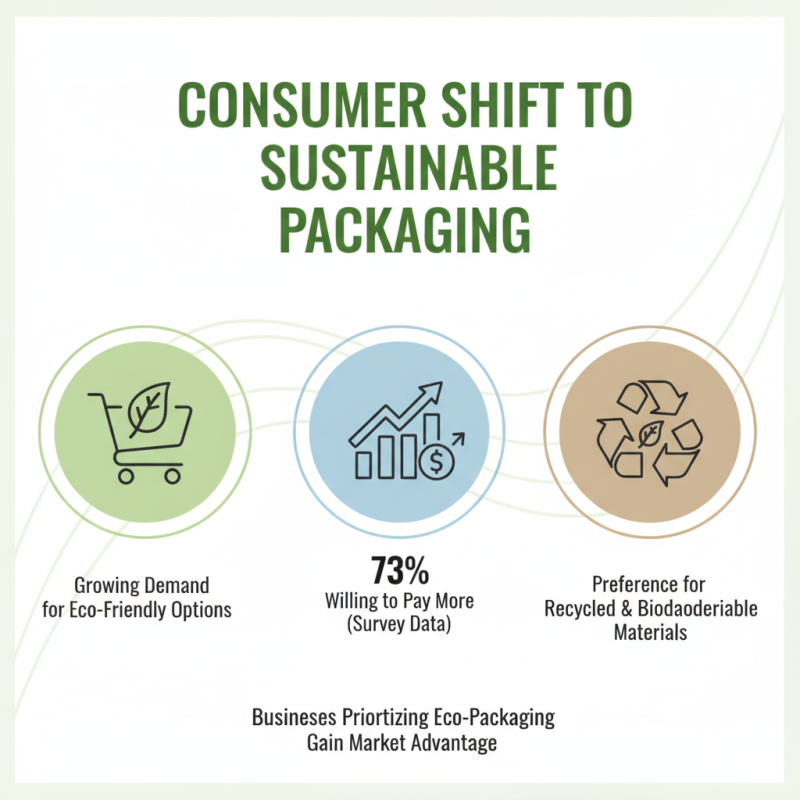
Consumer preferences are shifting toward sustainable packaging, reflecting a growing demand for eco-friendly options. A recent survey found that 73% of consumers are willing to pay more for sustainable packaging. This indicates a strong market for businesses that prioritize eco-friendly materials. Packaging made from recycled content or biodegradable materials often appeals more to environmentally conscious customers.
However, choosing the right packaging is not always straightforward. Businesses must navigate various materials and their environmental impacts. Paper packaging can seem like a great option, but not all paper is sourced sustainably. In fact, only 47% of paper and wood fibers come from certified sustainable sources. This lack of transparency can confuse consumers seeking genuine green options. Companies must ensure that their packaging choices align with consumer values while remaining mindful of potential greenwashing.
Additionally, a notable 60% of consumers expressed frustration when brands do not provide clear information about the sustainability of their packaging. This highlights the necessity for businesses to communicate their efforts effectively. It's crucial to balance eco-friendliness and practicality. Some sustainable options may not meet product protection needs, leading to product waste. These challenges reveal the complexity of integrating sustainability into packaging strategies.
Regulatory Trends Affecting Eco-Friendly Packaging Choices in 2026
In 2026, businesses face evolving regulatory trends shaping eco-friendly packaging choices. These regulations aim to reduce plastic waste and promote sustainable materials. As companies adapt, understanding compliance is crucial. Failing to align with these regulations can lead to fines and brand damage.
Consider the following tips for making compliant packaging choices. Start by researching local regulations on materials. Many regions now require the use of biodegradable or recyclable packaging. Engaging with suppliers who specialize in eco-friendly options can streamline this process.
Monitor changing legislation closely. Sometimes, new rules emerge unexpectedly. This can make adjusting your packaging strategy feel overwhelming. Aim to build a responsive supply chain. Flexibility in sourcing materials and packaging can help mitigate risks associated with regulatory changes. Embrace feedback from customers as well; their preferences can guide your eco-friendly packaging decisions.
Remember, not every solution will be perfect. Some sustainable materials may not perform as well as traditional options. Testing is key. Share the shortcomings and victories of your packaging journey with your audience. This transparency will enhance trust and reflect a commitment to sustainability.