How to Choose the Right Plastic Box for Your Needs?
Choosing the right Plastic box can feel overwhelming. There are countless options available, each with distinct features and purposes. Understanding your specific needs is crucial. This decision affects organization, storage, and even aesthetics in your space. Different designs cater to various functions—whether for storing tools, organizing craft supplies, or managing kitchen items.
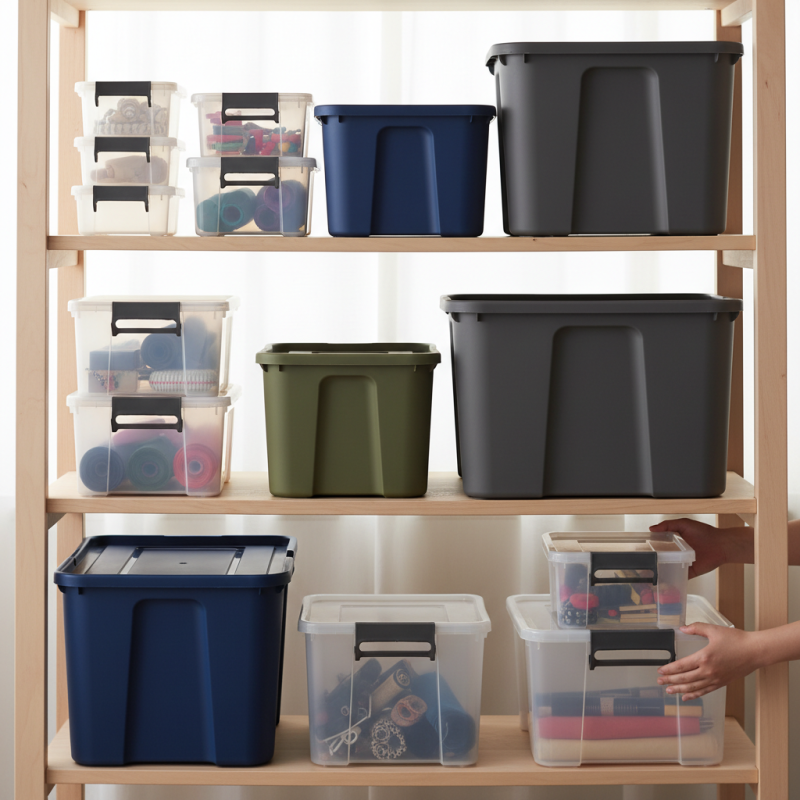
Consider the size, material, and design of the plastic box. You need a size that fits your intended space. The thickness of the plastic also matters. Thicker plastic often indicates durability, something you should reflect on based on your use. Transparent boxes may provide better visibility, while colored options could enhance your decor.
Determining your primary needs is essential. A box used for heavy items requires sturdier construction. A box for lightweight items can afford to be more flexible. Sometimes, personal biases affect choices. While a colorful design may be appealing, functionality should take precedence. Proper research and reflection on these details can lead to a satisfactory choice.
Understanding Different Types of Plastic Boxes Available on the Market
When selecting a plastic box, it's essential to understand the various types available on the market. There are storage boxes, food containers, and specialized bins, each designed for specific purposes. Storage boxes often come in multiple sizes. They are perfect for organizing your home or office. Food containers typically feature airtight seals to keep items fresh. However, not all containers are microwave-safe, so check before heating.
Specialized bins, like those for storage of craft supplies or tools, offer unique features. Some come with dividers, allowing efficient organization. Others may include stackable designs, enhancing space utilization. The material used can vary, so consider durability and impact resistance. Soft plastics may not withstand heavy loads, while harder plastics can prevent warping.
It’s crucial to reflect on potential pitfalls. Choosing the wrong size can lead to wasted space or overflowing contents. Additionally, overlooking material properties may result in accidental damage or spoilage. Consider your specific needs, and don’t hesitate to research before making a decision.
Evaluating Size and Dimensions for Your Specific Storage Needs
When selecting the right plastic box for storage, understanding size and dimensions is crucial. Data indicates that 74% of consumers struggle with choosing appropriate sizes. This issue can lead to wasted space or inadequate protection for items. Measure the space where the box will reside. Consider height, width, and depth. A box that is too large may not fit well, while one that is too small won't hold all necessary items.
Additionally, think about the items you plan to store. If you're organizing documents, a shallow, wide box might work best. Conversely, if you need to store tall items, a taller, narrower box could be more effective. Reports from the storage industry show that mismatches in size can lead to a 30% increase in storage costs due to inefficient use of space. It's essential to reflect on your specific storage needs.
Remember that not all plastic boxes are created equal. The type of plastic affects durability and weight. For heavier items, opt for sturdier constructions. An overly lightweight option may break easily. Always evaluate the dimensions concerning the items you need to store for optimal efficiency. Small adjustments can have a significant impact on your storage solution.
Assessing Durability and Material Quality in Plastic Boxes
When assessing durability and material quality in plastic boxes, the first aspect to consider is the type of plastic used. Polypropylene and polyethylene are common choices known for their strength and versatility. Thicker materials generally offer better durability, making them suitable for heavy-duty use. However, thicker plastics might also increase the overall weight of the box.
**Tips:** Look for plastic boxes that specify their weight limit. This provides insight into their durability. Stronger boxes often come with guarantees regarding their lifespan.
Another critical factor is the box's design. Features like reinforced corners and sturdy lids can enhance overall resilience. Pay close attention to any seams, as these areas can be points of weakness. Using high-quality plastics can mitigate this risk, leading to longer-lasting storage solutions.
**Tips:** If possible, test the box's flexibility. A box that bends too much may not offer long-term protection. Consider what items you plan to store, as heavier items require a stronger build.
In evaluating material quality, consider whether the plastic is UV resistant if stored outdoors. UV exposure can degrade some plastics over time. Looking for certifications or test results can also help validate the box's reliability. Choose wisely for lasting satisfaction.
How to Choose the Right Plastic Box for Your Needs?
| Box Type | Material | Durability Rating | Capacity (L) | Best Use |
| Stackable Storage Box | Polypropylene | High | 50 | Garage Organization |
| Transparent Storage Box | Polyethylene | Medium | 30 | Home Storage |
| Heavy-Duty Storage Bin | High-Density Polyethylene | Very High | 100 | Outdoor Use |
| Craft Organizer Box | Acrylonitrile Butadiene Styrene (ABS) | Medium | 20 | Craft Supplies |
| Lid Container Box | Polyvinyl Chloride (PVC) | Low | 15 | Seasonal Items |
Considering Special Features and Functionalities for Enhanced Usability
When choosing a plastic box, consider its special features that enhance usability. Lightweight designs are great for easy transport, while stackable options save space. If you need visibility, clear plastic can help you locate items quickly. Features like built-in handles or lids that snap shut can improve functionality.
Some boxes come with compartments. This is useful for organizing smaller items without creating chaos. However, not all boxes meet every need. You might find that certain features, when combined, can lead to confusion. A box with too many sections may make retrieval difficult.
Reflect on your specific requirements. What do you intend to store? Ensuring that the box aligns with your needs is crucial. Always weigh the pros and cons of each feature. Some might find that simplicity is more effective than complexity in design. Prioritize what is essential for your tasks.
Analyzing Price Points and Brand Reputation for Informed Choices
When selecting a plastic box, price points play a crucial role. The cost often correlates with quality, but cheaper isn’t always better. You may find a low-priced option, but it might lack durability. Consider the materials used. Thinner plastic may save money, but it won’t hold up over time. Investing in a slightly higher-priced box could lead to long-term savings.
Brand reputation is equally important. Trusted brands often have a history of reliability and quality. Consumer reviews can provide insights into product performance. Reading reviews helps identify any potential issues. Look for patterns in feedback. Consistent complaints about cracks or lids not sealing are red flags.
Some brands offer warranties, which can indicate confidence in their product. A good warranty may signal a commitment to quality. However, don’t overlook newer brands. Sometimes, they offer innovative designs at competitive prices. It’s essential to balance cost, reputation, and personal needs. Take your time and reflect on your choices. This approach can lead to a decision that aligns with your requirements.
