How to Choose the Best Kraft Packaging for Your Business?
Kraft packaging is becoming increasingly important for businesses aiming for sustainability and customer appeal. According to a recent report from Smithers, the global kraft paper market is projected to reach $40 billion by 2026, with a 4.2% annual growth rate. This growth reflects the rising demand for eco-friendly packaging solutions. However, choosing the right kraft packaging can be challenging.
Expert in sustainable packaging, Dr. Emily Tan, emphasizes the need for businesses to tailor their kraft packaging solutions to their specific products and branding. She said, “Kraft packaging not only protects goods; it tells a story about the brand’s commitment to the environment.” This underscores the importance of selecting the right type of kraft packaging that aligns with your brand values and customer expectations.
Reflecting on the diverse options in the kraft packaging market can be overwhelming. The right choice can enhance product presentation while also ensuring durability. Any missteps in selecting packaging can lead to unsatisfactory customer experiences. Therefore, understanding market needs and exploring expert opinions is critical for success.
Understanding the Importance of Kraft Packaging in Today's Market
Kraft packaging has gained immense significance in today’s market. As consumers increasingly prioritize sustainability, packaging choices play a critical role in brand perception. A report from Smithers Pira notes that the demand for sustainable packaging will reach $500 billion by 2024. This trend highlights the consumer shift towards environmentally friendly options, with 73% of shoppers willing to pay more for sustainable products.
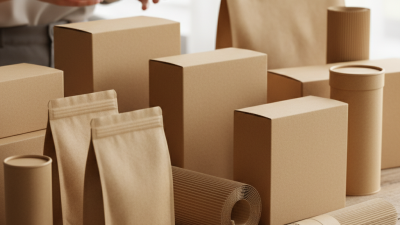
Kraft paper, made from recycled materials, stands out due to its biodegradability and recyclability. Its natural look appeals to consumers who value authenticity. However, not all Kraft packaging is created equal. Variations in thickness and finish can impact the product's protection and aesthetic. Testing samples before committing to large orders can prevent costly mistakes.
The perception of quality is closely tied to packaging. A survey found that 67% of consumers judge a product's quality based on its packaging. Brands must balance sustainability with durability. The right Kraft packaging can enhance product longevity while supporting a greener image. As the market evolves, continuously adapting to consumer expectations is essential for success.
Key Factors to Consider When Choosing Kraft Packaging Materials
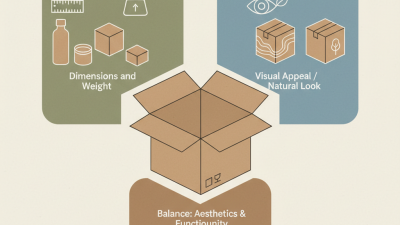
When selecting Kraft packaging for your business, consider the material's durability and sustainability. Kraft paper is renowned for its strength. It can withstand the rigors of transport while maintaining a professional appearance. This makes it an excellent choice for shipping products safely. However, not all Kraft paper is created equal. Some variants may lack the necessary strength, leading to potential product damage.
It’s crucial to evaluate the thickness and weight of the Kraft paper. Heavier options can offer better protection for fragile items. But they may also increase shipping costs. Finding a balance is necessary. Consider the environmental impact too. Sustainable sourcing is important for many consumers. Packaging made from recycled materials can boost your brand's image.
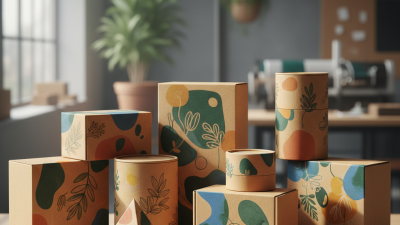
Consider your brand’s vision. The color and print quality of Kraft packaging will reflect your business identity. A simple and clean design can convey professionalism, while vibrant prints might attract a younger audience. Test your packaging by seeking feedback. This can reveal areas for improvement. A trial run will help you understand its performance in real-world scenarios. It’s about continuous refinement and adapting to what works best for your brand.
How to Choose the Best Kraft Packaging for Your Business? - Key Factors to Consider When Choosing Kraft Packaging Materials
| Dimension |
Material Type |
Sustainability |
Cost |
Durability |
| Small Box (10x10x10 cm) |
Recycled Kraft |
Yes |
$0.50 |
High |
| Medium Box (20x20x20 cm) |
Kraft Paper |
Yes |
$0.80 |
Medium |
| Large Box (30x30x30 cm) |
Kraft Carton |
Yes |
$1.20 |
High |
| Mailing Bag (25x35 cm) |
Kraft Paper |
Yes |
$0.30 |
Medium |
| Gift Box (15x15x5 cm) |
Bleached Kraft |
Yes |
$0.70 |
Medium |
Analyzing the Environmental Impact of Kraft Paper vs. Alternatives
Choosing the right packaging can significantly impact your business. Kraft paper is a popular choice due to its eco-friendly properties. When comparing Kraft paper to alternatives, the environmental impact becomes a crucial factor. Kraft paper is biodegradable and recyclable, reducing landfill waste. In contrast, some plastic options can take hundreds of years to decompose.
The production of Kraft paper involves fewer chemicals than many synthetic materials. This means less environmental pollution during manufacturing. However, the sustainability of Kraft paper depends on responsible sourcing. Not all Kraft papers come from sustainably managed forests. Be cautious and look for certifications that ensure responsible forestry practices.
Consider these insights when selecting your packaging materials. Analyze the lifecycle of both Kraft and alternative packaging options. Understand that some alternatives may offer more durability but at a higher environmental cost. Always reflect on how your choices affect the planet. This will help align your brand with eco-conscious consumers who value sustainability.
Environmental Impact of Packaging Materials
Industry Trends: How Kraft Packaging Affects Consumer Preferences
Kraft packaging has become a staple in various industries, influencing consumer buying behavior significantly. The natural, earthy tone of Kraft paper appeals to eco-conscious shoppers. They often perceive Kraft packaging as more sustainable compared to plastic. Brands utilizing this material can enhance their image and attract a loyal customer base.
However, not all Kraft packaging is created equal. Some consumers may question the durability of Kraft compared to other materials, especially for heavy items. Businesses must ensure that their packaging is not only attractive but also functional. The challenge lies in balancing aesthetics with practical considerations. Detail is crucial; a well-packaged product can enhance perceived quality while a poorly designed one can turn consumers away.
Moreover, the trend toward minimalism in design is influential. Clean, simple designs on Kraft packaging resonate well with many shoppers. However, some brands may still overcomplicate their graphics, losing the essence of simplicity. Reflecting on these choices can lead to a better understanding of what truly resonates with consumers.
Cost Analysis: Evaluating the ROI of Kraft Packaging Solutions
Cost analysis is essential when evaluating the return on investment (ROI) of Kraft packaging solutions. Research shows that businesses can save up to 30% on material costs by switching to Kraft packaging. This is a significant saving for small and medium-sized enterprises, where every dollar counts. Kraft paper is not only cost-effective but also recyclable and biodegradable, positioning companies as environmentally conscious, which appeals to today’s consumers.
Another study indicated that packaging makes up around 10% of a product's total cost. Thus, efficient Kraft packaging can enhance profit margins. Companies using sustainable packaging report increased customer loyalty and higher brand visibility. However, this transition may involve upfront costs for design and production. Businesses must assess the long-term benefits versus initial expenses.
Evaluating hidden costs is also crucial. Switching materials can affect supply chain logistics and require staff training. This process may seem daunting. Yet, the right Kraft packaging can lead to reduced waste and improved efficiency. A careful analysis of costs and benefits will pave the way for making informed decisions that align with both financial and environmental goals.