How to Choose the Best Merchandise Bags for Your Business Needs
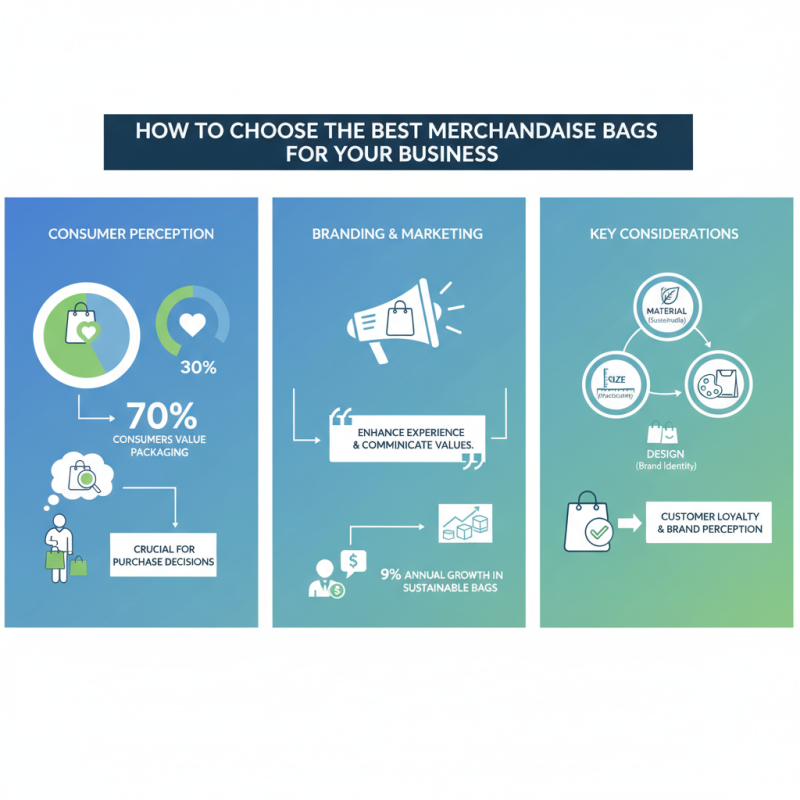
In the evolving landscape of retail, the significance of selecting the right merchandise bags cannot be overstated. According to a recent report by the National Retail Federation, over 70% of consumers consider packaging to be a crucial factor when making purchase decisions. This statistic underscores the need for businesses to carefully evaluate their options when choosing merchandise bags that align with their brand identity and customer expectations.
Industry expert and packaging consultant, Dr. Emily Turner, emphasizes the importance of this choice, stating, "The right merchandise bags not only enhance the customer experience but also serve as a vital marketing tool that communicates brand values." As more businesses integrate eco-friendly practices, the demand for sustainable merchandise bags has surged, with market research indicating a projected growth of 9% annually in this segment over the next five years.
When selecting merchandise bags, businesses must consider factors such as material, size, and design, ensuring that their choices reflect their commitment to quality and sustainability. In doing so, they not only fulfill practical needs but also create a lasting impression that can drive customer loyalty and enhance overall brand perception.
Understanding the Importance of Merchandise Bags in Retail
Merchandise bags play a pivotal role in the retail environment, serving not only as a practical means for customers to carry their purchases, but also as a powerful branding tool. Effective merchandise bags enhance customer experience by providing convenience while also promoting the store through visually appealing designs. When customers leave with a well-branded bag, they become walking advertisements, increasing brand exposure and recognition in the community.
Tips: When choosing merchandise bags, consider the material based on your products. For heavier items, opt for sturdy materials like kraft paper or reusable fabric, while lighter items may be well-suited for plastic or biodegradable options. Additionally, think about the size and design of the bag; a bag that is too small can lead to damage, while a large bag can appear wasteful.
Another essential factor is environmental sustainability. Consumers increasingly prefer eco-friendly options, so selecting recyclable or reusable bags can not only reduce your environmental footprint but also enhance your brand’s appeal to eco-conscious shoppers. By aligning your merchandise bags with your brand's values, you strengthen customer loyalty and contribute positively to your brand image.
Identifying Different Types of Merchandise Bags Available
When selecting the right merchandise bags for your business, it’s essential to recognize the various types available in the market. Retailers can choose from plastic, paper, reusable, and eco-friendly options, each catering to distinct needs and customer preferences. Plastic bags, often lightweight and durable, are a popular choice among businesses aiming for cost-effective solutions. However, they can raise environmental concerns, prompting a shift towards paper bags. Paper bags not only offer a more sustainable image but are also versatile for branding with prints and logos.
Moreover, reusable bags have surged in popularity due to their environmental benefits and durability. They come in various materials such as canvas, jute, and recycled plastics, appealing to eco-conscious consumers. Providing a reusable option can enhance customer loyalty, as shoppers appreciate brands that prioritize sustainability. Additionally, eco-friendly bags made from biodegradable materials are gaining traction, reflecting a commitment to environmentally responsible practices. By carefully assessing these different types of merchandise bags, businesses can align their choices with their branding strategy and customer values, ultimately enhancing their overall market presence.
How to Choose the Best Merchandise Bags for Your Business Needs
| Bag Type |
Material |
Eco-Friendly |
Customization Options |
Typical Uses |
| Plastic Bags |
HDPE or LDPE |
No |
Print on demand |
Retail, Grocery |
| Paper Bags |
Kraft Paper |
Yes |
Custom printing |
Boutiques, Restaurants |
| Reusable Shopping Bags |
Non-woven fabric |
Yes |
Full-color printing |
Grocery, Events |
| Cotton Tote Bags |
Cotton Fabric |
Yes |
Screen printing |
Promotions, Tradeshow |
| Biodegradable Bags |
Cornstarch or PLA |
Yes |
Limited custom options |
Food service, Retail |
Evaluating Material Options for Durability and Sustainability
When selecting merchandise bags for your business, the choice of material plays a crucial role in both durability and sustainability. A variety of materials are available, each offering unique benefits.
For instance, plastic bags, though lightweight and durable, raise significant environmental concerns due to their contribution to pollution and waste. In contrast, paper bags are often favored for their biodegradable properties, making them easier to recycle and less harmful to the environment.
However, the sturdiness of paper can vary, and heavy-duty options might be necessary to carry heavier products without tearing.
Another viable option is textile-based bags, including cotton or jute, which combine strength with sustainability. These materials are reusable and biodegradable, aligning well with eco-conscious consumer values. Additionally, bags made from recycled materials can showcase your commitment to sustainability while also being durable and stylish.
Ultimately, evaluating your business’s target market and product requirements will help inform your choice, ensuring that the bags not only serve practical purposes but also resonate with environmentally aware customers.
Analyzing Size and Shape Considerations for Functionality
When selecting merchandise bags for your business, understanding size and shape considerations is crucial for ensuring functionality. The dimensions of the bag should align with the products it will carry. For instance, if your business offers clothing or larger items, opt for bags with wider openings and more depth.
Conversely, smaller retail items might only require compact bags that can maintain a streamlined appearance while still being practical.
In addition to size, the shape of the bag plays a significant role in its usability. Square or rectangular bags often maximize storage efficiency, allowing for a better fit when stacking or displaying items. On the other hand, custom shapes might provide a unique branding opportunity but could complicate storage and handling.
Consider the overall aesthetic of your brand and how the bag shape aligns with your products. Balancing practicality with design will help you choose merchandise bags that enhance customer experience while serving business needs effectively.
Budgeting for Merchandise Bags: Cost-Effective Solutions
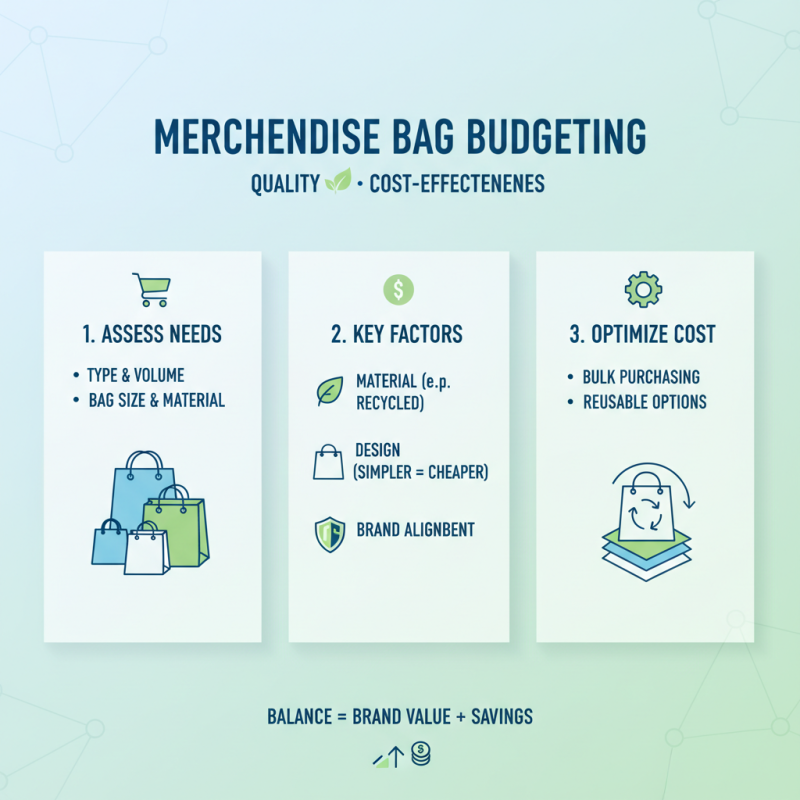
When budgeting for merchandise bags, the primary focus should be on achieving a balance between quality and cost-effectiveness. Start by assessing the type and volume of bags needed for your business. Consider factors such as bag size, material, and design, as these elements significantly influence the overall cost. For instance, opting for simpler designs or choosing recycled materials can help reduce expenses while still aligning with your brand’s values.
Next, explore bulk purchasing options and suppliers who offer discounts for larger orders. This strategy not only lowers the per-unit cost but can also ensure consistency in the quality of bags you use. Additionally, keep an eye out for seasonal promotions or clearance sales that can provide further savings. By strategically planning your budget and leveraging discounts, you can secure high-quality merchandise bags that enhance your brand image without straining your finances.