How to Choose Eco Friendly Packaging for Your Business
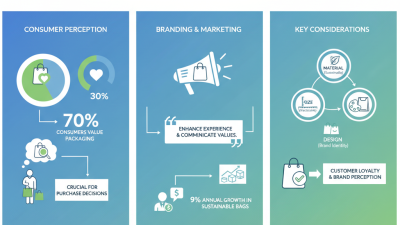
In today’s business landscape, sustainability is not just a trend—it’s a necessity. More companies are embracing eco friendly packaging as a way to reduce their environmental impact. This transition is crucial for brand image and customer loyalty. Consumers now prefer products that show a commitment to the planet.
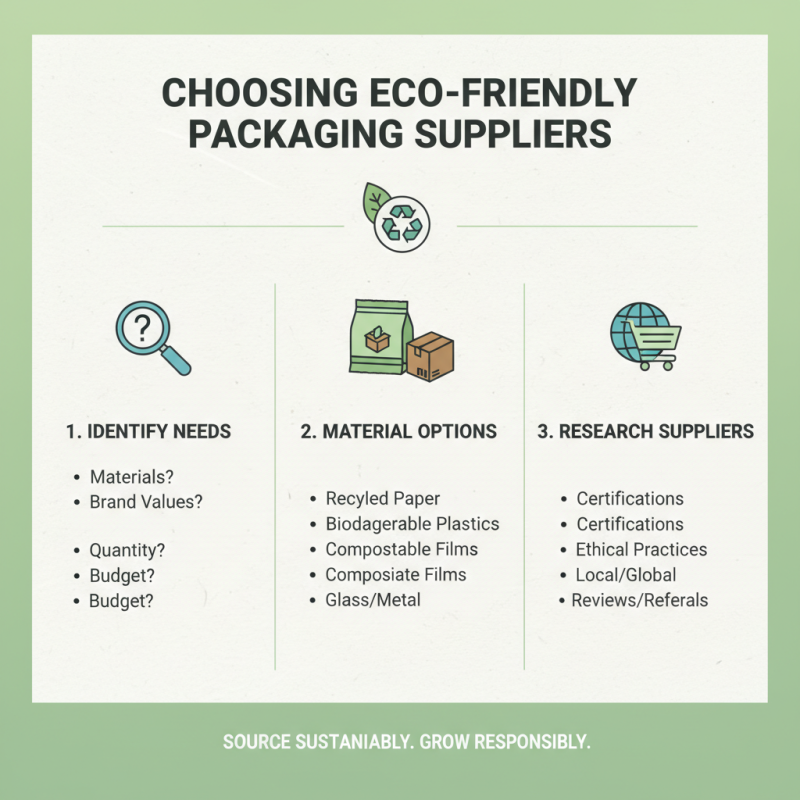
However, choosing the right eco friendly packaging can be challenging. There are various materials to consider, such as biodegradable options and recycled paper. Each has its advantages and drawbacks. Not all packaging types are equally effective in reducing waste. Some might be compostable but not suited for certain products.
Businesses must reflect on their specific needs and values. It often requires trial and error to find the best approach. This process can feel overwhelming, yet it is essential. Eco friendly packaging impacts not only the environment but also how customers perceive a brand. Making informed choices in packaging is a step toward sustainability that every business should take seriously.
Understanding Eco-Friendly Packaging Options for Businesses
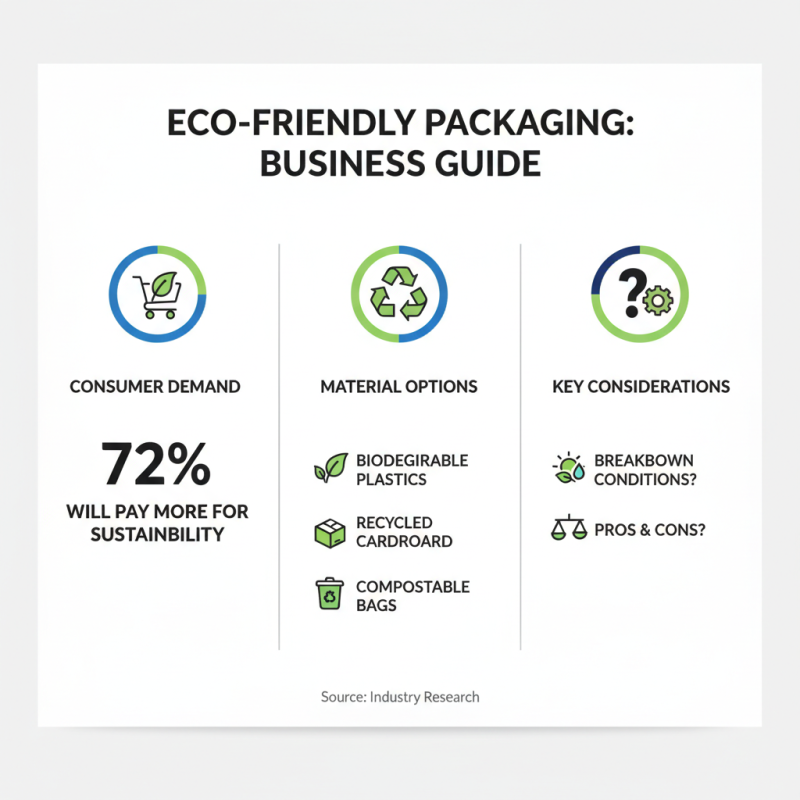
When it comes to eco-friendly packaging, understanding the options available is crucial for businesses. Research shows that 72% of consumers are willing to pay more for sustainable products. This growing demand drives companies to rethink their packaging choices. Material options include biodegradable plastics, recycled cardboard, and compostable bags. Each material has its pros and cons. For example, biodegradable plastics can break down, but they might require specific conditions to do so efficiently.
**Tip:** Evaluate your packaging needs based on your product type. Lightweight packaging can often reduce transportation costs. Consider how much space your packaging occupies in warehouses. This may help cut down on excess materials, which is a meaningful step in sustainability.
Choosing the right eco-friendly packaging can be a daunting task. It often requires balancing cost, functionality, and environmental impact. A study indicates that 40% of consumers feel confused by eco-labels. This indicates a need for more education on what makes packaging truly sustainable.
**Tip:** Engage with customers by sharing your sustainable journey. Transparency can create trust. Use clear messaging to explain your packaging choices. Sustainability is a journey, and it’s okay not to have all the answers right away. Experiment and learn as you go.
Assessing the Environmental Impact of Packaging Materials
Choosing eco-friendly packaging requires careful thought. Assessing the environmental impact of materials is crucial. Consider materials like biodegradable plastics or recycled paper. They reduce waste and can be composted. Look for sourcing options that minimize carbon footprints.
Tips for evaluating packaging materials include researching lifecycle assessments. These assessments reveal how materials affect the planet from production to disposal. Examine the sourcing of raw materials. Knowing their origins can highlight their ecological costs. It’s not always simple. Some options sound green but might not be effective.
Consider the energy used for production. For instance, glass takes more energy to produce than plastic. However, it can be recycled repeatedly without degradation. Seek out local suppliers to cut transportation emissions. This can be challenging but is often beneficial. Balancing costs and eco-friendliness is a process.
Evaluating Cost-Effectiveness of Sustainable Packaging Solutions
When considering sustainable packaging options, cost-effectiveness is often a major concern. A report by Smithers Pira indicates that the sustainable packaging market is projected to reach $600 billion by 2024. This growth reflects a significant shift in consumer preferences. More customers prioritize eco-friendly products, often willing to pay a premium for them. However, businesses must carefully evaluate their spending. Sometimes, the cheapest option isn't always the most sustainable.
Incorporating biodegradable materials often comes at a higher upfront cost. According to a study by the Environmental Protection Agency, packaging accounts for around 30% of municipal waste. Therefore, investing in materials like recycled paper or compostable plastics could reduce waste disposal costs in the long run. Yet, companies face the challenge of balancing initial expenses with potential savings on waste management.
Transitioning to sustainable packaging can also require a shift in supply chains and production processes. This adjustment may introduce unexpected costs or delays. Companies need to analyze their unique situation. Some may find that sustainable options improve their brand image and customer loyalty, while others might struggle with implementation. It’s essential to evaluate both short-term impacts and long-term benefits carefully.
Adapting Your Branding Strategy to Incorporate Green Packaging
Adapting your branding strategy to incorporate green packaging can be transformative. It begins with understanding your audience. Many consumers today prioritize sustainability. They seek brands that reflect their values. This shift is evident in purchasing behaviors. If your packaging is eco-friendly, customers feel good about their choices.
Next, consider the materials used. Recycled, biodegradable, and compostable options are gaining popularity. For instance, switching from plastic to plant-based materials can make a statement. Showcase these changes on your website and social media. Transparency about your packaging choices builds trust. Alongside this, be clear about the benefits of these materials for the environment.
However, some challenges may arise. Sourcing eco-friendly materials can be costlier. Additionally, not all customers may appreciate these changes. Some may prioritize cost over sustainability. Thus, striking a balance is essential. Reflect on your pricing strategies as you make these shifts. You might find some customers embracing the change more than others. Keep an open dialogue with your audience. Their feedback can help refine your approach.
Eco-Friendly Packaging Material Preferences
This bar chart represents the preferences for different types of eco-friendly packaging materials among businesses. The data indicates that biodegradable packaging is the most preferred option, followed by recyclable and reusable materials.