How to Choose the Best Packaging Bags for Your Business Needs
In today’s competitive market, the right choice of packaging bags can significantly impact a business's success. Packaging plays a crucial role in brand identity, product protection, and consumer convenience, making the selection process vital for any company seeking to enhance its overall value and appeal. As businesses strive to stand out amidst a multitude of options, understanding the various types of packaging bags available, along with their unique advantages, is essential for making an informed decision.
When evaluating packaging needs, factors such as material, size, durability, and sustainability must be considered. For instance, different products require different levels of protection, which influences the choice of bag material—whether it be plastic, paper, or biodegradable options. Additionally, a business must account for how its packaging aligns with its brand image and customer expectations. Therefore, taking the time to explore the diverse array of packaging bags can lead to better product presentation and enhanced customer satisfaction, ultimately driving business growth.
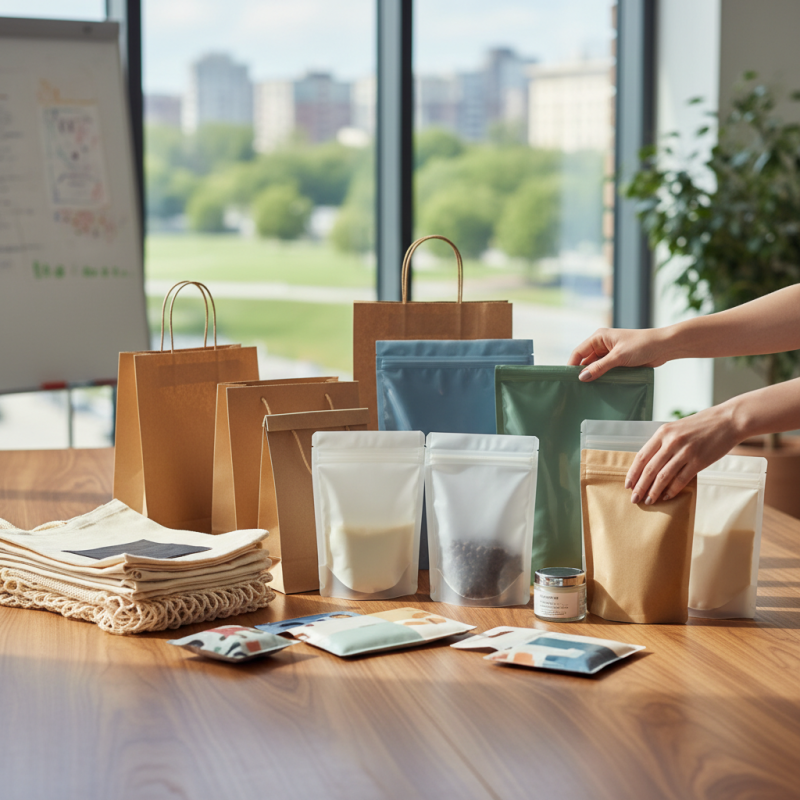
Identifying Your Business Packaging Needs and Requirements
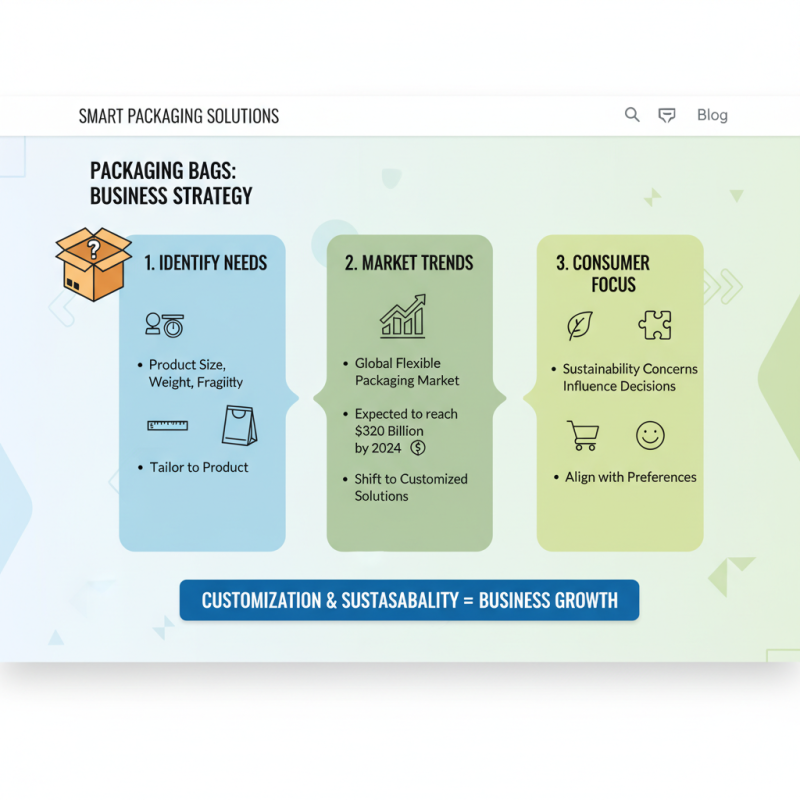
When selecting the best packaging bags for your business, it's crucial to begin by identifying your unique packaging needs and requirements. Understanding your product's specific dimensions, weight, and fragility is essential. According to a report by Smithers Pira, the global flexible packaging market is expected to grow to $320 billion by 2024, indicating a shift towards customized packaging solutions. Businesses must tailor their packaging strategies to align with consumer preferences, as well as sustainability concerns, which are increasingly influencing purchasing decisions.
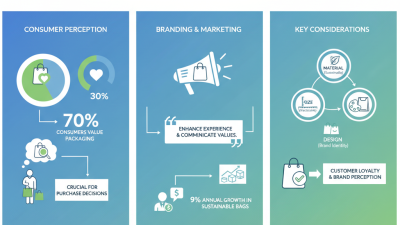
Furthermore, businesses should consider the environmental impact of their packaging choices. A survey by McKinsey & Company found that 67% of consumers are willing to pay more for sustainable packaging options. Eco-friendly materials not only resonate with environmentally conscious customers but can also improve brand loyalty and market positioning. Assessing factors such as material compatibility, recyclability, and production processes is critical for meeting both your business objectives and regulatory compliance. Ultimately, by thoroughly analyzing these aspects, businesses can select packaging bags that enhance product safety, appeal to consumers, and support environmental goals.
Understanding Different Types of Packaging Materials and Their Benefits
When selecting packaging materials for your business, it’s essential to understand the different types available and their respective benefits. Among the most common types of packaging materials are plastic, paper, and biodegradable options. According to the Smithers Pira report, the global market for packaging is projected to reach $1 trillion by 2024, with flexible packaging growing significantly due to its lightweight and versatile nature. Plastic packaging, for instance, is prized for its durability and moisture resistance, making it suitable for a wide range of products from food items to pharmaceuticals.
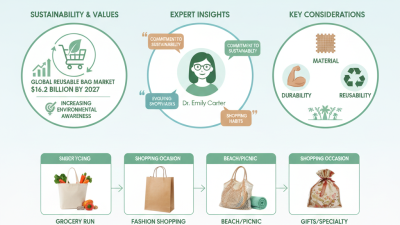
On the other hand, paper packaging is gaining traction as consumers increasingly favor sustainable options. The Paper and Paperboard Packaging Environmental Council reports that recycled paper products can significantly reduce greenhouse gas emissions. Biodegradable packaging, made from materials like plant starch, not only appeals to eco-conscious consumers but also complies with growing regulatory pressures aimed at reducing plastic waste. As more businesses seek to enhance their environmental responsibility, understanding these diverse materials and their attributes can lead to informed decision-making that aligns with both sustainability goals and customer preferences.
Choosing the Best Packaging Bags: Material Types and Benefits
Evaluating the Cost-Effectiveness of Various Packaging Options
When evaluating the cost-effectiveness of various packaging options, businesses must consider multiple factors that influence overall expenses. Packaging costs can significantly impact profit margins, so conducting a thorough analysis is essential. This involves assessing not only the initial purchase price of the materials but also the long-term savings they may provide. For instance, investing in durable packaging might incur a higher upfront cost but could lead to reduced damage rates during transit, ultimately saving money on replacements and customer complaints.
Another critical aspect to consider is the impact of packaging on shipping costs. Lightweight materials can decrease shipping fees, while bulky packaging may increase dimensional weight charges. Additionally, packaging that optimizes space during transport can lead to efficiency in logistics and reduced operational costs. It’s also important to think about the environmental implications of packaging materials; sustainable options can attract a conscientious consumer base, which might justify a slightly higher cost in the long run.
By analyzing these elements, businesses can make informed decisions that align with their financial goals while ensuring product safety and customer satisfaction.
Assessing the Environmental Impact of Packaging Choices
When choosing packaging bags for your business, it's essential to consider the environmental impact of your choices. Packaging waste contributes significantly to environmental pollution, and opting for eco-friendly materials can help reduce your carbon footprint. Biodegradable and recyclable options not only benefit the planet but can also appeal to environmentally-conscious consumers, boosting your brand's reputation.
Tips: Always check the material composition of the bags you choose. Look for labels that indicate whether a product is recyclable or made from recycled materials. Additionally, consider the life cycle of the packaging - from production to disposal - to better understand its overall environmental impact.
Moreover, evaluating the purpose of your packaging is crucial. Lightweight bags can reduce transportation emissions, while multi-use designs may promote sustainability. Prioritize suppliers that adhere to eco-friendly practices, fostering a supply chain that respects environmental standards.
Tips: Conduct a supplier audit to ensure they follow sustainable practices. Engage with businesses that prioritize sustainability in their operations to cultivate a more responsible product life cycle. This not only enhances your sustainability efforts but also aligns your business with the growing demand for eco-friendly packaging solutions.
Choosing the Right Size and Design for Maximum Product Protection
When selecting packaging bags, the size and design are crucial to ensuring maximum product protection. According to a report by Smithers Pira, the global flexible packaging market is expected to reach $300 billion by 2025, driven largely by the increasing demand for sustainable and protective packaging solutions. Choosing the right size minimizes waste and enhances the overall efficiency of the supply chain. For instance, bags that are too large can lead to product damage during transit, while bags that are too small might not fully contain the product, resulting in spills and loss.
In addition to size, the design of the packaging plays a significant role in safeguarding the product. Industry insights suggest that 72% of consumers say that new packaging design can influence their purchasing decisions. Packaging that is designed with protective features, such as resealable zippers or puncture-resistant materials, not only enhances durability but also improves user experience. Moreover, incorporating features like transparent windows allows customers to view the product within, which can further bolster sales by building trust. As businesses strive to meet customer expectations while ensuring product integrity, careful consideration of both size and design in packaging bags becomes paramount.