How to Choose Clear Bags for Your Business?
Choosing clear bags is not simply a visual branding decision. It affects product protection, shelf appeal, handling, and total packaging cost. According to the Flexible Packaging Association’s industry reports, flexible packaging remains a major packaging format because it can reduce material use and shipping weight. That advantage depends on proper design. A thin bag may save money, but it can split around sharp edges or fail during delivery.
A practical selection process starts with the product itself. Consider weight, moisture, grease, temperature, odor, and required shelf life. Then compare polyethylene, polypropylene, compostable films, and recycled-content options. Smithers’ flexible packaging forecasts highlight growing demand for recyclable and resource-efficient structures, yet sustainability claims require careful verification. “Eco-friendly” is not enough. Check the film specification, recycling pathway, supplier documentation, and local disposal conditions.
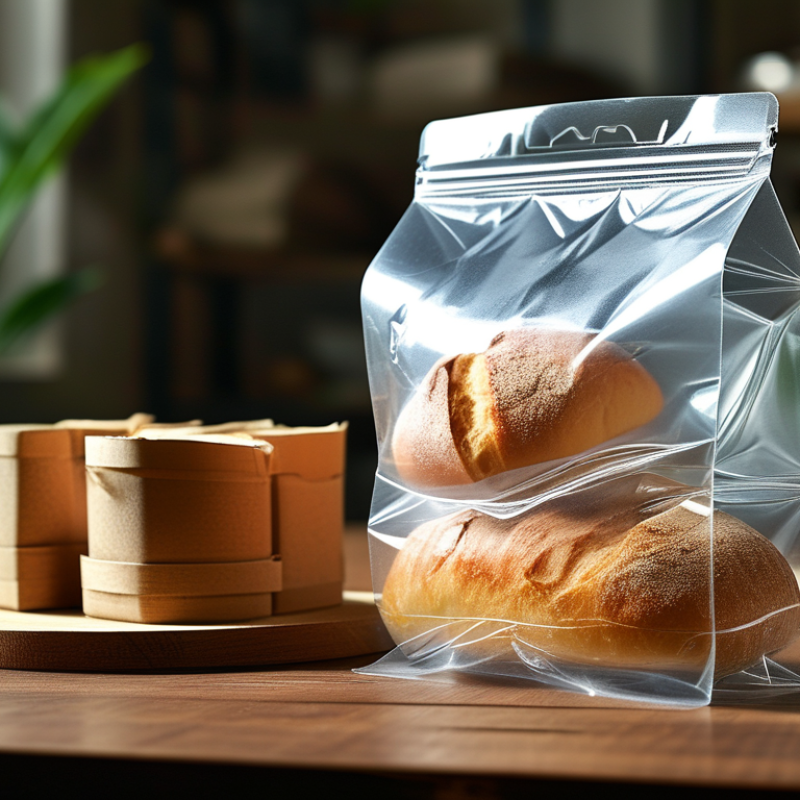
Visibility matters too. A bakery may need a glossy bag that displays texture clearly, while a hardware seller may need stronger film and a reinforced header. Measure seal strength and drop performance with real products. Packaging Machinery Manufacturers Institute research also shows that automation and packaging-line compatibility influence efficiency, especially for growing businesses. A bag that looks excellent may still run poorly on existing equipment.
Cost deserves a wider view. Include bags, labor, rejected units, storage space, freight, and customer complaints. I would not choose the cheapest option without testing it. That shortcut often becomes expensive. Reliable suppliers should provide samples, technical data, batch consistency, and transparent lead times. No report replaces a hands-on trial. A small pilot run can reveal wrinkles, weak seals, or unexpected film noise before a full order.
Define Your Business Needs and Bag Requirements
How to Choose Clear Bags for Your Business?
Define Your Business Needs and Bag Requirements
A clear bag should match the product, handling process, and customer expectations. Start with the item’s length, width, height, weight, and sharp edges. Leave enough space for sealing without creating loose, wasteful material. A practical test uses the real product, not an empty sample. That detail matters.
Flexible packaging remains a major commercial sector. The Flexible Packaging Association reported approximately 40 billion dollars in United States sales in 2023. Smithers also forecasts continued growth in global flexible packaging through 2028. These figures show strong demand, but market growth does not make every clear bag suitable. A small bakery may need food-contact documentation, reliable sealing, and grease resistance. A hardware seller may need thicker film and stronger puncture resistance. A clothing business may value visibility, resealing, and a clean presentation.
Do not choose film thickness by appearance alone. A thin bag may reduce material use, yet split during packing or delivery. A thick bag may protect better, but increase cost and storage space. Ask suppliers for test data on tensile strength, seal strength, moisture protection, and temperature performance. Check whether the bag fits existing filling equipment. Measure the opening by hand. Try ten to twenty packing cycles. It is not a perfect test, but it reveals awkward sealing, trapped air, and poor fit. Clear packaging also exposes dust, wrinkles, and inconsistent folding, which customers may notice quickly.
Evaluate Product Protection, Visibility, and Presentation
Choosing clear bags for your business requires more than checking appearance. Product protection, visibility, and presentation should work together.
A clear bag should match the product’s weight, shape, moisture exposure, and handling conditions. Thin film may reduce cost, but it can split around sharp edges or crowded shelves.
The 2023 NRF and Appriss Retail report estimated US retail returns at $743 billion, equal to 14.5% of annual sales.
Better packaging cannot prevent every return, but it can reduce damage, contamination, and customer disappointment. Test filled bags for seal strength, puncture resistance, and drop performance.
A perfectly clear bag is not always the best answer. Excessive transparency can also expose dust, wrinkles, or uneven packing.
Visibility supports faster product recognition. Customers should see the item clearly without fighting glare, cloudy film, or excessive printing. Presentation matters at close range: clean seals, consistent dimensions, and a balanced label create a more professional shelf appearance.
The 2020 IBM Institute for Business Value consumer study found that nearly six in ten respondents were willing to change shopping habits to reduce environmental impact.
Material choice therefore affects both presentation and customer trust. Consider recyclable structures where practical, but verify local recovery options before making environmental claims.
Tips:
Place one filled sample under store lighting. Check glare, color distortion, and seal alignment. Ask several customers what they notice first. Their answers may challenge your assumptions. Record failures during transport testing, not only successful samples. Then compare protection, visibility, and presentation against your actual margins.
Check Customization, Compliance, and Sustainability Features
Choosing clear bags for your business requires more than checking visibility and price. Measure the product first: a sharp edge may need thicker film, while powder needs a tighter seal. Customization should match daily handling. Consider bag size, film gauge, closure type, print area, and handle strength. A transparent front with a colored back can improve shelf recognition without hiding the product. In packaging audits, small sizing errors often create wasted headspace and higher shipping costs.
Compliance must be checked before artwork approval. Confirm food-contact suitability when relevant, accurate labeling, traceability, and recycling-claim requirements in your selling region. The EU Packaging and Packaging Waste Directive and related national rules continue to influence material, labeling, and producer obligations. Requirements change, and a supplier’s old certificate may not be enough. Ask for current test reports and migration documentation. Do not rely on a verbal assurance.
Sustainability needs evidence, not attractive wording. The OECD’s Global Plastics Outlook reported that only 9% of plastic waste was recycled in 2019. Choose designs that reduce unnecessary layers, use recycled content where technically suitable, or support established collection systems. The Ellen MacArthur Foundation also stresses designing packaging for a circular economy. Still, clear recyclable films may lack local recovery infrastructure. That detail is easy to miss. A bag can be technically recyclable but practically unrecyclable.
Tips: Request samples, test filled bags under real warehouse conditions, and compare seal failures after transport. Record material composition, thickness, recycled content, and disposal instructions. I would also review the design after launch; the first version is rarely perfect.
How to Choose Clear Bags for Your Business?
Check customization, compliance, and sustainability features before selecting the film specification.
Film thickness is shown in both mil and micrometres. One mil equals 25.4 micrometres. Thicker film generally provides greater puncture resistance, while compliance and sustainability requirements should be checked separately for the intended market, product type, recycled content, labeling, and disposal system.
Select a Reliable Supplier and Confirm Total Costs
How to Choose Clear Bags for Your Business?
Choosing clear bags involves more than checking appearance. A reliable supplier should provide stable material thickness, accurate dimensions, and consistent sealing quality. Request samples before placing a large order. Fill them with your actual products, then test the seams, opening, clarity, and resistance to tearing. Small differences become expensive when thousands of bags are involved.
Ask for a complete quotation, not only a unit price. Include tooling, printing, packaging, freight, duties, taxes, storage, and payment fees. Confirm the minimum order quantity and production timeline in writing. A low price can become costly if defects create rework or delayed deliveries. I once focused too heavily on the bag price and overlooked warehouse space. That decision was not as efficient as expected.
Tips:
Compare at least three suppliers. Check their quality records and response times. Ask how they handle defective shipments. Confirm whether materials meet your market’s packaging requirements. Calculate the cost per usable bag, including a realistic defect allowance. Keep a written specification with thickness, size, closure type, and approved sample. Do not rely only on attractive photos. Supplier communication matters. Sometimes, the cheapest offer creates the most questions.