How to Conduct a Book Printing Inspection Effectively?
When it comes to publishing, the importance of a thorough Book Printing Inspection cannot be overlooked. It ensures that the final product meets quality standards and aligns with the original vision. Conducting an effective inspection may seem simple, yet it involves careful attention to detail.
During a Book Printing Inspection, various aspects need to be evaluated. The text layout, color accuracy, and binding quality are crucial elements. Inspectors should look for any misaligned pages or color discrepancies. It's easy to miss minor flaws, but these can affect the overall impression of the book. A keen eye is essential for spotting issues that could detract from the reader's experience.
Reflecting on the inspection process reveals areas for improvement. Sometimes, even seasoned publishers overlook certain details. Regular training and updates on inspection techniques can enhance this critical phase. After all, a beautifully printed book can falter at the finish line if inspection procedures are not carefully applied.
Understanding the Importance of Book Printing Inspections
Book printing inspections play a crucial role in ensuring quality. These inspections help identify issues that can compromise a book's integrity, such as color discrepancies or binding flaws. Missing pages or poor print quality can tarnish an author's reputation. A thorough inspection can catch these errors before books reach the market.
Conducting a proper inspection requires attention to detail. It's essential to check the color consistency throughout the pages. Examine the binding closely. Is it sturdy? Are the pages securely attached? Look for any misprints or imperfections. Each small defect can affect a reader’s experience. It might seem tedious, but these checks can save time and resources in the long run.
One common oversight is rushing through the process. Inspections are sometimes seen as an afterthought, leading to missed flaws. Engaging a team for this task improves accuracy. Communication within the team is vital. Make sure everyone understands what to look for. A collaborative approach often reveals issues that a single person might miss. Taking time now can lead to a better final product later.
How to Conduct a Book Printing Inspection Effectively? - Understanding the Importance of Book Printing Inspections
| Inspection Criteria | Importance | Common Issues Found | Recommended Action |
| Color Accuracy | Ensures brand consistency and visual appeal | Incorrect color matching | Perform color proofs before mass printing |
| Print Quality | Affects readability and overall quality | Blurry images or text | Use high-resolution images and regular quality checks |
| Binding Strength | Ensures durability and readability | Loose or weak binding | Inspect binding methods and materials used |
| Paper Quality | Impacts the feel and longevity of the book | Discoloration or low-quality textures | Specify high-quality materials in contracts |
| Layout and Design | Essential for user experience and aesthetic appeal | Misaligned text or images | Conduct layout proofs at early stages |
Key Steps to Prepare for a Book Printing Inspection
Preparing for a book printing inspection requires careful planning. Start by reviewing the printing specifications. This step ensures the production meets your expectations. Industry reports indicate that 30% of print defects are due to miscommunication of specs. Clear and detailed specifications can minimize these errors.
Next, gather all necessary materials. This includes printed samples, proof copies, and any relevant documents. Make a checklist to avoid overlooking critical items. Industry standards suggest that having a checklist can increase inspection efficiency by up to 40%. It’s easy to miss a detail if you rush. A comprehensive approach helps maintain quality.
Lastly, consider your team's readiness. Provide adequate training for your inspection team. Studies show well-trained inspectors can spot issues 50% faster than untrained ones. Regular reviews of past inspections help to identify recurring mistakes. Engaging in reflective practices can lead to continuous improvement. The goal is to ensure every print meets the expected quality standards.
Essential Tools and Equipment for Conducting Inspections
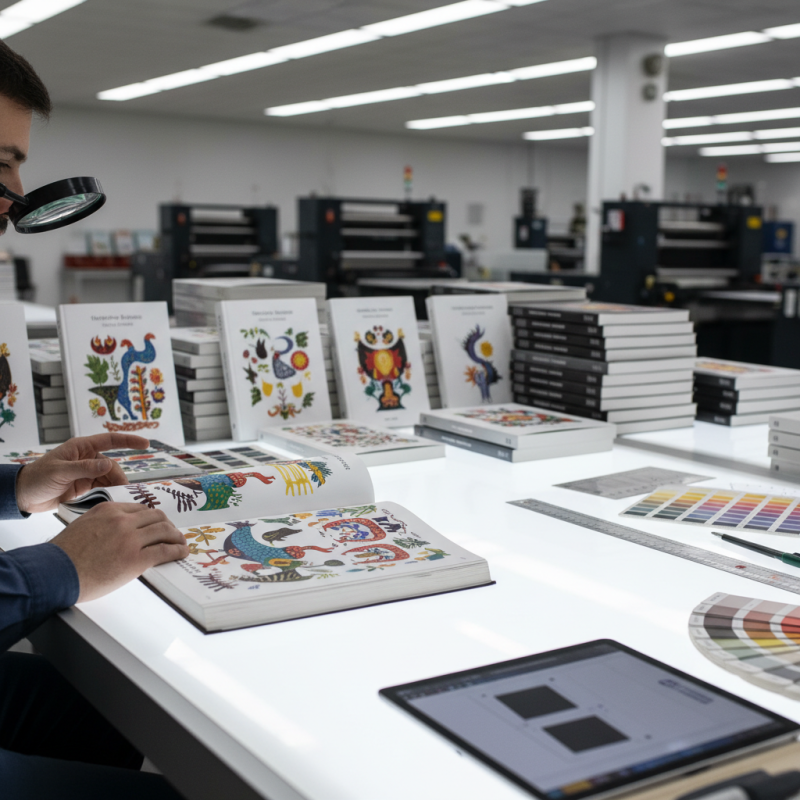
When conducting a book printing inspection, having the right tools at hand is crucial. A magnifying glass helps you check for minor print flaws. Use a color matching guide to ensure accuracy. A ruler is essential for measuring alignment and margins. These tools make a significant difference in identifying errors that could affect the final product.
Inspectors often overlook the importance of lighting. Good lighting can highlight imperfections that might not be visible in dim settings. A bright LED lamp or natural light can reveal discrepancies in color and sharpness. Additionally, a print sample reference is valuable for comparison. Without proper references, it’s easy to miss subtle differences.
Sometimes, even with all the tools, inspections can fall short. Human error, such as rushing through the process, can lead to missed mistakes. It's vital to pause and double-check your findings. Regularly reflecting on your inspection methods can uncover areas for improvement. Taking the time to refine your process ensures higher quality in book printing outcomes.
Book Printing Inspection Tools Effectiveness
Criteria for Evaluating Print Quality and Consistency
When conducting a book printing inspection, evaluating print quality is crucial. Print quality encompasses various factors, such as color accuracy, resolution, and overall consistency. According to a report by the Printing Industries of America, over 50% of print job complaints stem from color variation. This underscores the need for a rigorous evaluation process.
Consistency is vital in a print run. Inconsistent ink distribution can lead to streaks or uneven colors, impacting overall aesthetics. Statistics show that nearly 40% of print jobs fail due to poor consistency. Ensuring precise calibration of printing machines can mitigate these issues. Inspecting test samples can reveal potential discrepancies before full production.
Attention to detail is necessary, but mistakes can occur. Occasionally, pages might be misaligned or sharing ink between colors may not blend as intended. These imperfections highlight the importance of continuous improvements in the printing process. Evaluating different batches regularly allows for adjustments, ensuring a more consistent final product.
Documenting Findings and Communicating with Printers
When conducting a book printing inspection, effective communication is crucial. Document your findings clearly and objectively. Use simple language to describe issues. For example, note colors that appear dull or images that lack clarity. Ensure your notes are dated and include specifics. This practice helps in tracking resolutions over time.
Always share your observations with the printer promptly. A quick email or call can clarify any misunderstandings. Be direct but respectful. Highlight both issues and positives. If a page is misaligned, mention it. If the paper quality is impressive, say so. This balanced feedback strengthens the relationship and reduces friction.
Reflect on your inspection process as well. Maybe you overlooked minor details in the past. Recognize your growth areas, such as taking more precise measurements. Learning from each project is key. Improvement doesn’t happen in isolation. Engage with others in the field. Their insights can inspire better documentation and communication strategies.
