Ultimate Guide to Choosing the Best Shopping Bags for Every Occasion
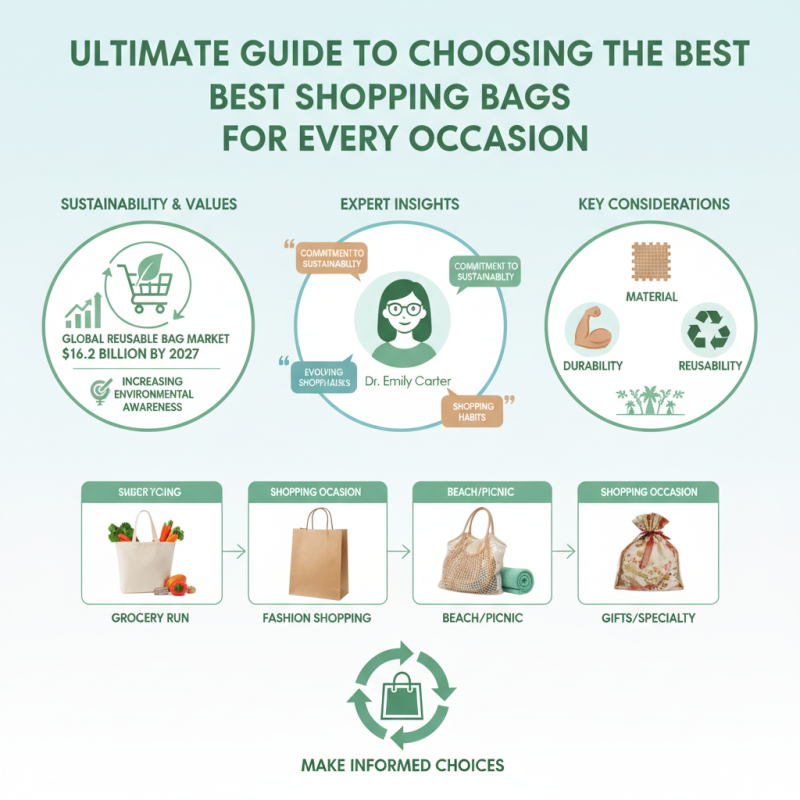
In today's consumer-driven society, choosing the right shopping bags is more crucial than ever, transcending mere utility to reflect personal values and environmental consciousness. According to a recent report by Grand View Research, the global reusable shopping bags market is projected to reach $16.2 billion by 2027, driven by increasing environmental awareness and regulations aimed at reducing plastic waste. This data underscores the urgency for consumers to select bags that not only meet their shopping needs but also align with sustainable practices.
"Shopping bags are not just products; they represent a commitment to sustainability," says Dr. Emily Carter, an expert in consumer behavior and sustainability. Her observations emphasize that the evolving shopping habits are direct responses to both ecological concerns and societal expectations. Thus, it is essential to consider the material, durability, and reusability of shopping bags. As environmental concerns continue to rise, shoppers are increasingly opting for bags that are not only functional but also eco-friendly, making it imperative for individuals to be informed about their choices.
As we delve into this ultimate guide, we will explore various types of shopping bags suitable for different occasions, providing insights that can help consumers make informed decisions and contribute positively to the environment while enhancing their shopping experience.
The Importance of Shopping Bags in Sustainable Consumer Practices
The growing awareness of environmental issues has brought shopping bags into the spotlight as key players in sustainable consumer practices. According to a report by the Environmental Protection Agency, approximately 100 billion single-use plastic bags are used annually in the United States, creating significant landfill waste. Shifting to reusable shopping bags can substantially reduce this impact, as studies indicate that it takes an average of 500 uses for a reusable bag to offset its environmental footprint compared to single-use plastic options.
When selecting the right shopping bag for various occasions, it is essential to consider not only the bag's material but also its intended use. For grocery shopping, opt for durable bags made from recycled materials or natural fibers, which can hold heavier items without tearing. In contrast, lightweight foldable bags are perfect for spontaneous shopping trips or travel, offering convenience without the bulk.
**Tips:** Always keep a stash of reusable bags in your car or by the front door to ensure you have them ready for your next shopping excursion. Additionally, look for bags that are easy to clean, as hygiene is particularly important when carrying food items. By making conscious choices about shopping bags, consumers can play an active role in reducing plastic waste and promoting sustainable practices in their communities.
Ultimate Guide to Choosing the Best Shopping Bags for Every Occasion
| Bag Type |
Material |
Sustainability Rating |
Ideal Use Case |
Price Range |
| Reusable Tote Bag |
Cotton Canvas |
High |
Groceries, Daily Use |
$10 - $30 |
| Foldable Shopping Bag |
Recycled Nylon |
Medium |
Travel, Emergency Use |
$5 - $15 |
| Insulated Grocery Bag |
Polyester |
High |
Frozen Foods, Picnics |
$15 - $25 |
| Paper Shopping Bag |
Kraft Paper |
Low |
Retail, Gift Giving |
$0.50 - $3 |
| Eco-Friendly Mesh Bag |
Mesh (Recycled Materials) |
High |
Fruits, Vegetables |
$8 - $20 |
Types of Shopping Bags: Materials, Durability, and Eco-Friendliness
When choosing the best shopping bags for various occasions, it’s essential to consider the materials they are made from, their durability, and their eco-friendliness. Common materials used in shopping bags include cotton, jute, nylon, and recycled plastics. Cotton bags are soft, reusable, and easy to wash, making them ideal for everyday errands.
Jute offers a sturdy option with a rustic charm, perfect for farmers' markets or outdoor events. On the other hand, nylon bags are lightweight and can be easily folded and stored when not in use, while recycled plastic bags contribute to reducing waste by repurposing old materials.
Durability plays a significant role in the choice of shopping bags, particularly for heavier items. While paper bags are biodegradable and can be recycled, they may not withstand water or heavy loads as well as fabric options.
Conversely, high-quality nylon or woven polypropylene bags can endure more wear and tear, ensuring they last through numerous uses.
Eco-friendliness is a major consideration for many consumers today; opting for bags made from sustainable materials or those that are biodegradable can significantly lessen one's environmental footprint. By choosing bags that prioritize durability and eco-friendliness, shoppers can make a smart choice that benefits both their needs and the planet.
Evaluating Shopping Bags: Key Features and Consumer Preferences
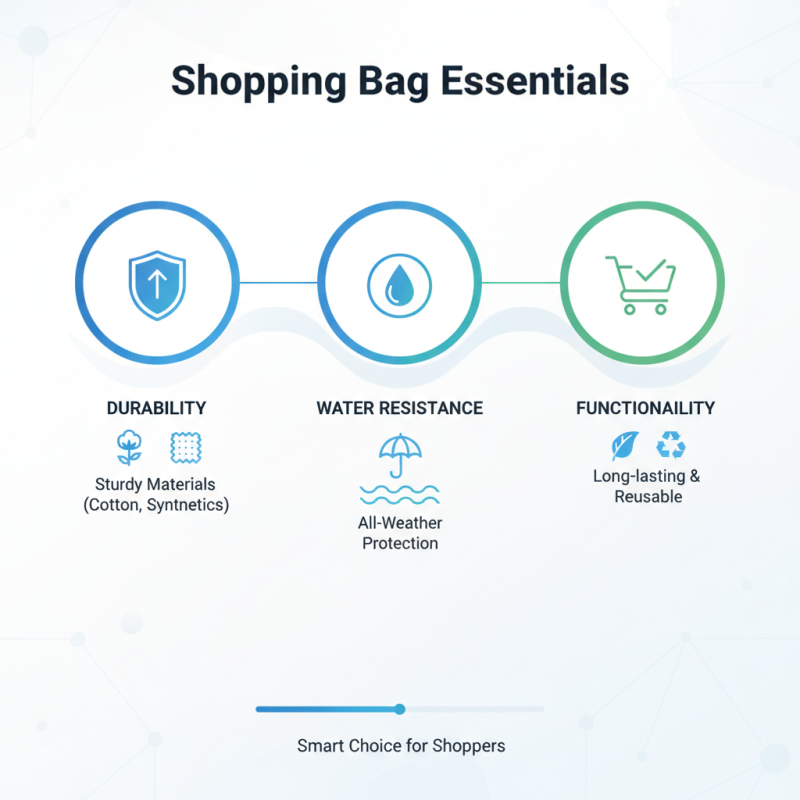
When evaluating shopping bags, several key features emerge as essential for consumers. Durability stands out as a primary concern; consumers often seek bags that can withstand the weight and wear of frequent use. Materials play a significant role in this aspect, with options ranging from sturdy cotton to robust synthetic fabrics. Additionally, water resistance is a desirable feature, particularly for those who shop in various weather conditions, as it enhances the bag's functionality and longevity.
Another critical factor is the bag's design and size. Shoppers prefer bags that strike a balance between spaciousness and portability. Folding capabilities are favored, as they allow bags to be conveniently stored when not in use. Color and aesthetic appeal are also important, as many consumers desire bags that reflect their personal style or can coordinate with their outfits. Lastly, eco-friendliness has become a prominent preference, with a growing number of consumers opting for reusable shopping bags made from sustainable materials to reduce their environmental footprint.
Industry Trends: Market Growth and Innovations in Shopping Bag Design
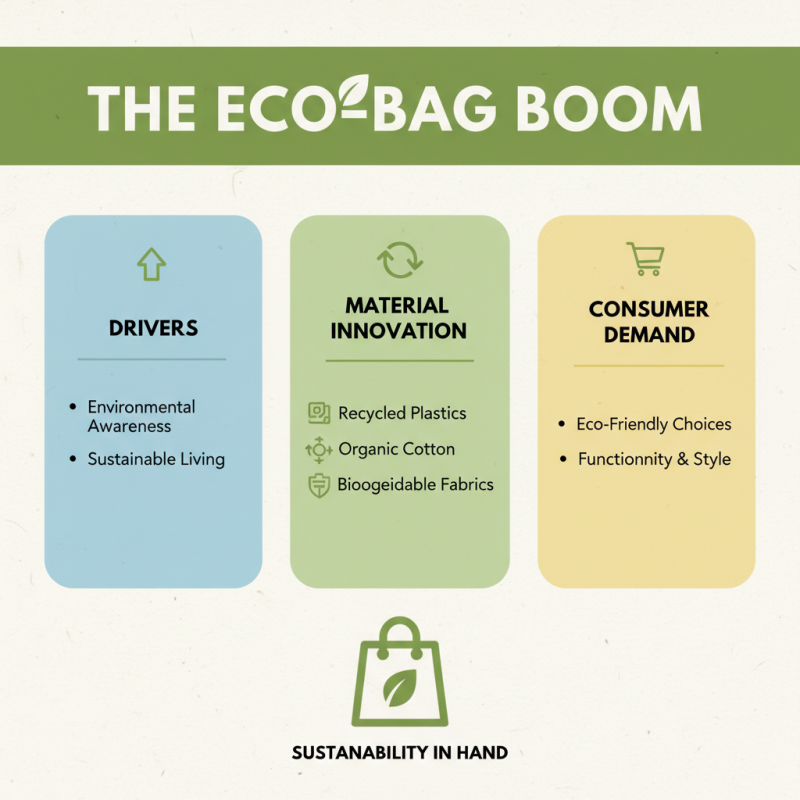
The shopping bag industry is witnessing significant growth, driven by rising environmental awareness and a shift towards sustainable living. As consumers become more mindful of their purchases, the demand for eco-friendly shopping bags has surged. Designers are innovating with materials such as recycled plastics, organic cotton, and biodegradable fabrics, catering to an audience that values sustainability alongside functionality.
Tips for choosing the right shopping bag include considering the size and material based on your shopping habits. For everyday grocery trips, a reusable, sturdy bag made from recycled materials is ideal. Alternatively, if you’re attending an outdoor event or market, opt for lightweight, foldable bags that can be easily stored.
Another trend is the personalization of shopping bags, allowing consumers to express their individuality. Custom designs or multifunctional features, such as detachable straps or insulated compartments, are becoming increasingly popular. This not only enhances functionality but also adds a unique touch to the shopping experience. When selecting a bag, think about your personal style and how it fits into your lifestyle to ensure you make a choice you’ll love to carry.
Best Practices for Choosing Shopping Bags for Different Shopping Occasions
When choosing shopping bags for different occasions, it's essential to consider the specific needs and environment of your shopping experience. For grocery shopping, opt for sturdy, reusable bags that can handle the weight of produce and canned goods. Look for bags designed with reinforced bottoms and handles that provide comfort during transport. Additionally, consider bags with compartments or pockets that help organize your items and prevent damage to fragile products.
For fashion and boutique shopping, a lighter, stylish tote can enhance your experience. These bags not only serve a functional purpose but also add an aesthetic touch to your outing. Choose materials that are easy to clean, especially if you plan to use them frequently. Remember to pick a size that accommodates your typical purchases without being bulky or cumbersome. For events like farmers' markets or craft fairs, a foldable and easy-to-carry option is ideal, allowing you to store it conveniently when not in use while still having ample space for your finds.