What is the Importance of Packaging Materials in Modern Industries?
In today’s fast-paced industries, packaging materials play a crucial role. They not only protect products but also enhance brand visibility. Renowned packaging expert Dr. Anna Chen emphasizes, “Effective packaging materials can make or break consumer trust.” This highlights the weighty implications of packaging choices.
Consider the vast variety of materials available. From cardboard to biodegradable options, each brings unique benefits. However, not all companies prioritize sustainability. Improper selection can lead to waste. Many industries face challenges in balancing cost and environmental impact when it comes to packaging materials.
Furthermore, packaging influences consumer decisions. Eye-catching design can attract buyers, but functionality is key. Flawed designs may frustrate users. In a competitive market, the importance of well-thought-out packaging materials cannot be overstated. The choices made today will shape the future of industries.
The Role of Packaging Materials in Product Protection and Preservation
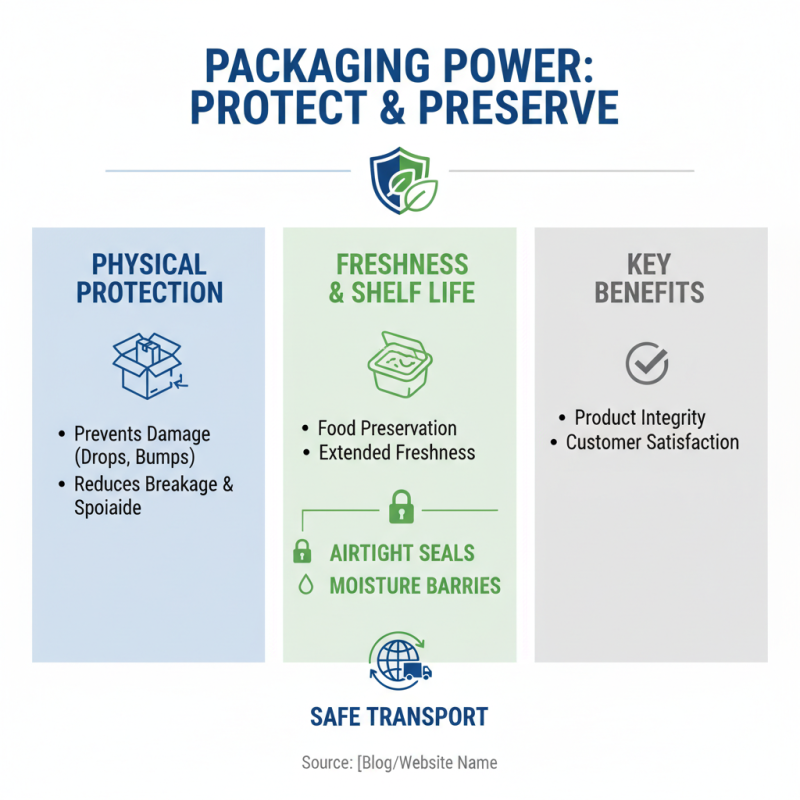
Packaging materials play a crucial role in product protection and preservation. They shield items from physical damage during transportation. A well-designed package can prevent breakage and spoilage. For food products, proper packaging keeps them fresh longer. Airtight seals and moisture barriers are vital for preservation.
However, not all packaging materials perform equally. Some materials may not provide adequate protection. For example, thin plastic could puncture easily. Many businesses cut costs by choosing cheaper options, risking product integrity. This is problematic, as customers expect quality.
Moreover, the environmental impact of packaging materials is a concern. Non-biodegradable materials contribute to pollution. Companies must reflect on their packaging choices, balancing protection with sustainability. Utilizing recyclable or biodegradable materials can enhance both protection and environmental responsibility. Thoughtful packaging can reduce waste while ensuring products remain safe.
Impact of Packaging Materials on Brand Image and Consumer Perception
Packaging materials play a crucial role in shaping a brand's image. They are often the first touchpoint for consumers. Eye-catching designs can attract attention. But, if the packaging is not functional, it can lead to frustration. For instance, difficult-to-open packages can leave a negative impression.
Moreover, sustainable materials have gained popularity. Consumers are becoming more conscious of their choices. Brands that use eco-friendly packaging often enjoy a better perception. However, some companies still use plastic despite knowing its negative impact. This inconsistency can lead to consumer distrust.
The visual appeal of packaging can evoke emotions. Bright colors might suggest energy, while soft tones can imply calmness. Yet, brands must be cautious. Overly complicated designs can confuse rather than entice. It's essential to strike a balance between aesthetics and practicality. Packaging is more than just a cover; it's a direct reflection of brand values and consumer expectations.
The Importance of Packaging Materials in Modern Industries
Sustainability in Packaging: Eco-Friendly Materials and Practices
Sustainability in packaging is gaining traction in various industries. Eco-friendly materials are no longer just a trend; they are becoming a necessity. A recent report indicated that 74% of consumers are willing to pay more for sustainable packaging. This shift highlights a growing awareness of environmental issues connected to packaging waste.
Biodegradable materials are at the forefront of this movement. They break down more easily than traditional plastics, thus reducing landfill contributions. According to a study by the European Bioplastics organization, the production capacity of bioplastics is expected to reach 2.48 million tons by 2025. While these figures are promising, the implementation of eco-friendly practices still faces challenges. Many companies struggle to find suitable alternatives that match the performance of conventional packaging.
Adopting sustainable practices also leads to higher production costs. Some businesses hesitate to make the switch. There are cases where the eco-friendly options are not readily available or affordable. Investing in research for better alternatives is essential. The need for innovation is clear, but the road to a fully sustainable packaging system is still riddled with obstacles.
Cost-Effectiveness of Packaging in Supply Chain and Logistics
In modern industries, packaging plays a crucial role in supply chains. It is not just about aesthetics. Proper packaging can significantly reduce costs. Effective packaging materials minimize damage during transit. This leads to fewer returns and replacements.
Cost-effectiveness comes from optimizing packaging size and weight. Over-packaging wastes materials and increases shipping costs. Companies often overlook the importance of material selection. Lightweight options can create savings that add up over time. Yet, some businesses stick to traditional practices, missing out on substantial savings.
Sustainability is another factor to consider. Companies are sometimes hesitant to switch to eco-friendly materials. While the initial investment may seem high, long-term benefits are clear. Consumer demand for sustainable practices is rising. Those who adapt will likely have an edge in the market. Reflecting on packaging strategies is essential for continuous improvement.
Innovations in Packaging Technology and Their Industry Implications
In modern industries, packaging technology plays a crucial role. New innovations continually reshape how products are delivered and perceived. For instance, biodegradable materials are gaining popularity. They offer eco-friendly alternatives to traditional plastics. This shift is not just trend-based; it addresses pressing environmental concerns.
Smart packaging is another exciting development. Sensors can monitor product freshness and safety. These packages enhance user experience, but they also introduce complexities. Manufacturers must ensure technology is reliable and consumer-friendly. Some companies struggle with integration. The cost of these new materials can also be a barrier, especially for smaller businesses.
Moreover, consumer demand for sustainability is changing the packaging landscape. There’s pressure to reduce waste and embrace recyclability. Yet, many companies find it challenging to meet these expectations. Balancing innovation with practicality isn't easy, and mistakes can lead to backlash. The journey towards effective packaging solutions is ongoing and requires constant reflection.