How to Use Machine Vision Inspection for Quality Control?
In the rapidly evolving landscape of manufacturing, quality control stands as a key pillar for success. Machine Vision Inspection has emerged as a revolutionary tool in this domain. According to a report from the Market Research Future, the global machine vision market is expected to reach $14 billion by 2025, growing at a CAGR of over 7%. This growth reflects the increasing reliance on automation and the need for higher quality standards.
Expert Dr. Amelia Chen, a leading figure in the field, emphasized, “Machine Vision Inspection is redefining how we perceive quality assurance in production lines.” This technology allows manufacturers to detect defects and ensure product quality efficiently. However, implementing these systems is not without challenges. Factors like lighting conditions and image processing capabilities can significantly impact inspection accuracy.
Despite advancements, companies must remain vigilant. Relying solely on automation could lead to complacency. A well-integrated approach that combines human oversight with Machine Vision Inspection is essential for achieving optimal results. Balancing technology and human expertise will drive quality control to new heights while avoiding potential pitfalls.
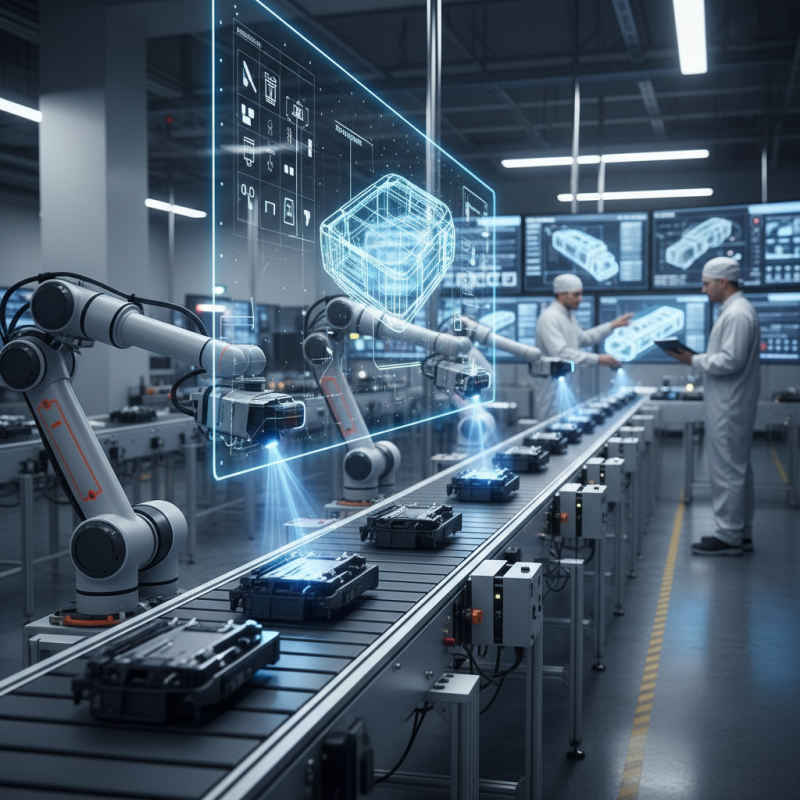
Understanding Machine Vision: Definition and Applications in Quality Control
Machine vision has revolutionized quality control across various industries. It uses cameras and image processing to detect defects in products. This technology can identify inconsistencies that humans might miss. For example, it can check the alignment of components or the presence of scratches. The ability to analyze images quickly makes machine vision ideal for fast-paced production lines.
One key application is in the automotive industry. Here, machine vision inspects parts for quality before assembly. However, relying solely on technology can lead to overconfidence. Sometimes, it may miss subtle defects. Adjustments to lighting and camera angles are essential for optimal results. Continuous monitoring of the system ensures it performs well.
In pharmaceuticals, machine vision ensures that packaging is correct. It verifies labels and seals before products leave the factory. Yet, errors can occur due to poor calibration. Regular training sessions for operators can mitigate these issues. Machine vision is powerful but not infallible. Balancing technology with human oversight often leads to the best outcomes.
Quality Control Metrics Using Machine Vision Inspection
Key Components of Machine Vision Systems in Manufacturing Industries
Machine vision systems are transforming quality control in manufacturing. They encompass several key components that ensure products meet standards. Cameras are the eyes of the system. They capture images of items moving along the production line. These images are then analyzed in real-time.
Lighting is another crucial element. Proper illumination can greatly impact image clarity. If the lighting is inconsistent, the system might miss defects. Choosing the right type of lighting is essential for accurate inspections. Compute power is equally vital. Robust processing units must handle complex algorithms swiftly.
Despite these advancements, challenges remain. Systems may struggle with variable shapes or materials. Every production line is unique. This demands customization, which can complicate implementation. Regular maintenance is also necessary. Neglect may lead to errors, affecting overall quality control. A proactive approach is vital to address these issues timely.
Statistical Process Control: Enhancing Quality through Machine Vision Inspection
In today's manufacturing landscape, statistical process control (SPC) integrated with machine vision inspection plays a pivotal role in ensuring product quality. Industry reports indicate that manufacturers utilizing machine vision can increase defect detection rates by up to 90%. This significant improvement helps in reducing waste and lowering production costs. The accuracy of these vision systems surpasses manual inspection, as they provide real-time data that is vital for effective SPC.
Implementing machine vision requires careful setup. Often, organizations face challenges in calibrating systems accurately. A misalignment in cameras can lead to false readings, which complicate quality control processes. Reports show that 40% of failures in vision systems originate from improper configurations. Continuous training and adjustments are crucial for maintaining effectiveness.
Data from various studies reveal that using machine vision in conjunction with SPC can reduce variability in production by 30%. This synergy helps manufacturers to maintain consistent quality over time. Yet, it's essential to remember that machine vision isn’t a cure-all. Human oversight remains vital to interpret complex data and address anomalies that machines might miss. Balancing technology and human expertise is key to achieving optimal quality control.
Benefits of Integrating Machine Vision Inspection in Production Lines
Integrating machine vision inspection in production lines offers numerous benefits. This technology enhances product quality by detecting defects early. It minimizes human error and increases the speed of quality checks. Automated systems can operate continuously, providing real-time data for informed decisions. This results in less waste and higher efficiency.
Tips for effective implementation include ensuring proper lighting. Good illumination is crucial for accurate image capture. Test different light sources to find the best fit for your products.
Consider the layout of your production line. A well-placed camera will ensure optimal coverage and reduce blind spots. Training your staff is vital. They should understand how to use the technology effectively.
While machine vision brings advantages, challenges exist. Not all inspection systems suit every product type. Some may struggle with complex geometries or varying surfaces. Regularly assess the system’s performance. Keep an eye on false positives or negatives. Continuous improvement is vital for maintaining reliability. Adapting to new production demands may require software updates. Always remain open to feedback and adjust accordingly.
Case Studies: Successful Machine Vision Implementations for Quality Assurance
Machine vision has transformed quality control in various industries. In automotive manufacturing, a company implemented machine vision to detect surface defects in car bodies. The system utilized high-resolution cameras to capture images. It quickly identified scratches and dents, preventing defective products from moving down the line. Despite its success, the team faced challenges. Some images were misinterpreted due to lighting conditions. This led to false positives, highlighting the need for ongoing adjustments.
In the food processing sector, another case study revealed the potential of machine vision. A company used it to inspect packaging for seal integrity. The machine vision system ensured that only properly sealed products reached consumers. However, not every case was perfect. Occasionally, the system failed to detect minor leaks. This experience prompted a re-evaluation of the inspection algorithms and lighting setups. Continuous improvement is essential to maintain high standards and meet customer expectations. These implementations show the promise of machine vision but also the importance of constant refinement.
