What is a Packaging Bag and Why Your Business Needs One?
In today's competitive market, understanding what a packaging bag is and its significance to businesses is crucial. Packaging bags serve not only as containers for products but also as vital tools for branding and marketing. According to a recent industry report by Smithers Pira, the global market for flexible packaging is projected to reach $300 billion by 2023. This emphasizes the rising demand for effective packaging solutions.
Businesses that invest in quality packaging bags can experience improved customer satisfaction. In fact, research indicates that 72% of consumers consider packaging design when making a purchase decision. A well-designed packaging bag resonates with customers and builds brand loyalty. However, not all businesses effectively utilize this opportunity, often overlooking the importance of sustainable materials and innovative designs.
Moreover, the selection of the right packaging bag can have a lasting impact on supply chains. Companies face challenges like ensuring product protection while minimizing environmental impact. It’s evident that businesses must rethink their approach to packaging bags. By doing so, they can enhance their market presence and meet consumer expectations effectively.
What is a Packaging Bag?
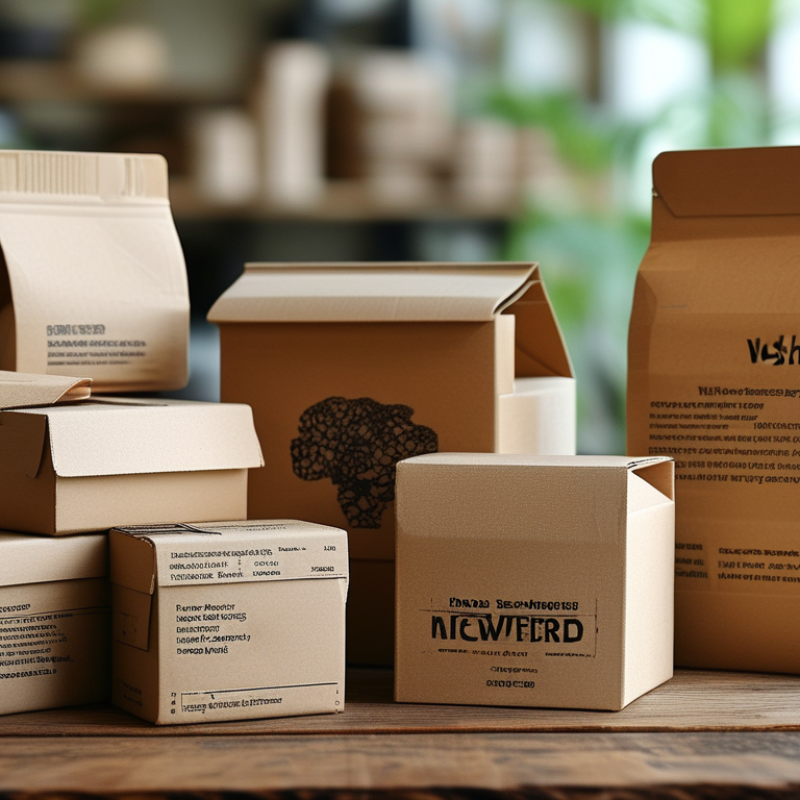
A packaging bag is more than just a wrapper. It serves essential purposes for businesses and consumers alike. These bags can protect products from damage during transport. They can also maintain freshness, especially for food items. A well-designed packaging bag grabs attention and communicates brand values.
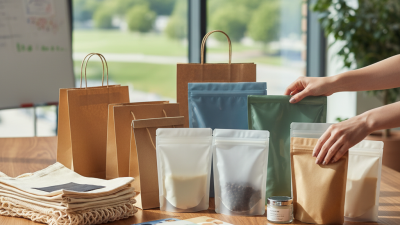
Different materials make up packaging bags, including plastic, paper, and biodegradable options. Each material offers unique benefits. For example, paper bags are an eco-friendly choice. However, they may not be as durable for wet items. Some bags even come with resealable features, enhancing usability. This shows that not all bags are created equal.
Choosing the right packaging is crucial. A poorly designed bag can disappoint customers. It may tear or fail to hold its contents securely. This can lead to loss of revenue and client trust. It's vital for businesses to assess their needs. Experimenting with various styles and materials may reveal surprising insights. Never underestimate the power of a well-chosen packaging bag.
What is a Packaging Bag and Why Your Business Needs One?
| Dimension |
Description |
Benefits |
Use Cases |
| Material |
Various materials such as plastic, paper, and biodegradable options |
Provides protection and durability |
Food packaging, retail items, and e-commerce shipping |
| Size |
Available in various sizes to accommodate different products |
Optimizes shipping and reduces costs |
Products of all shapes and sizes |
| Customizability |
Can be customized with branding and designs |
Enhances brand recognition and appeal |
Retail packaging, promotional items |
| Sustainability |
Options for eco-friendly materials are available |
Appeals to environmentally conscious consumers |
Organic products, sustainable goods |
| Functionality |
Designed for easy opening, resealing, and reuse |
Improves user experience and reduces waste |
Food items, personal care products |
Types of Packaging Bags Available in the Market
Packaging bags are essential tools for many businesses. They come in various forms to meet specific needs. Understanding the types available can help you make informed choices.
Plastic bags are one of the most common options. They are lightweight and cost-effective. Many brands use them for everyday items. However, they can be harmful to the environment. Customers increasingly seek eco-friendly alternatives. In contrast, biodegradable bags offer a sustainable choice that breaks down naturally.
Another popular type includes paper bags. These bags are appealing and sturdy. They can hold food items or retail products effectively. Some businesses struggle with the balance between style and functionality.
Vacuum-sealed bags are also worth mentioning. They keep food fresh longer but may not always be user-friendly. Learning about these options can help businesses address their packaging needs more effectively.
Key Benefits of Using Packaging Bags for Your Business
Packaging bags play a crucial role in modern business operations. They provide a straightforward solution for storage and transportation. According to a report from Smithers Pira, the global market for flexible packaging is expected to grow by 4% annually, reaching $289 billion by 2025. This indicates a clear trend towards businesses valuing efficient packaging solutions.
One notable benefit is cost-effectiveness. Packaging bags are often lighter than traditional containers. This can reduce shipping costs. Additionally, they are customizable. Companies can choose from various sizes and materials, ensuring that their products are well-protected during transit. Research shows that well-packaged products can lead to a 15% increase in customer satisfaction.
However, businesses must consider sustainability issues. Many packaging bags are made from plastics, leading to environmental concerns. A 2020 report from the Ellen MacArthur Foundation highlighted the need for companies to transition to more sustainable practices. They found that 60% of consumers prefer brands that commit to reducing plastic waste. Balancing functionality with eco-friendliness should be a primary focus for any company looking to remain competitive in today’s market.
How to Choose the Right Packaging Bag for Your Products
Choosing the right packaging bag is vital for your product's success. A study by Smithers Pira indicates that the global packaging market is expected to reach $1 trillion by 2024. Consumers are more conscious of packaging, making it essential to select bags that align with your brand values.
Consider material first. Options include plastic, paper, and biodegradable materials. Each has distinct properties. Plastic is durable but not eco-friendly. Paper is recyclable but might lack moisture resistance. Biodegradable bags appeal to eco-conscious customers but may be pricier. Understanding your product's needs helps in making the best choice.
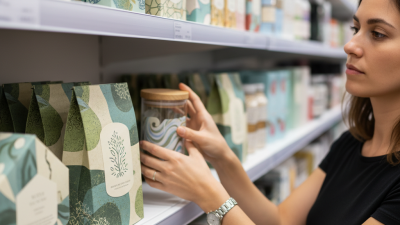
Pay attention to design too. A visually appealing bag can capture attention. According to the Packaging Institute, 70% of purchasing decisions are made in-store. Investing in eye-catching packaging can drive sales. Reflect on your design elements. Simple designs may sometimes overlook important branding opportunities. Ensure your packaging reflects your brand identity clearly.
Material and design choices can impact your overall cost. Evaluate trade-offs between quality and budget. Sometimes, a cheaper option may lead to higher returns in the long run. Reflect on what your business truly needs before making a final decision.
Best Practices for Designing and Using Packaging Bags
Packaging bags play a crucial role in product presentation and protection. Designing effective packaging bags requires attention to detail. According to a recent industry report, 72% of consumers say that the packaging influences their purchasing decisions. This highlights the need for businesses to create visually appealing and functional bags. Using high-quality materials is essential, as sturdy bags protect products and enhance brand perception.
Color, typography, and logo placement significantly affect consumer behavior. Research indicates that 85% of shoppers base their decision on color alone. Incorporating unique designs can set a brand apart. However, many businesses overlook the importance of sustainability. Consumers increasingly seek eco-friendly options, with 61% willing to pay more for sustainable packaging. Brands should consider using recyclable materials or biodegradable bags.
It’s important for businesses to test their designs. Gathering consumer feedback before finalizing designs can reveal preferences and areas needing improvement. Regularly reviewing the effectiveness of packaging can lead to better customer engagement. Adapting to trends is vital. As consumer preferences shift, staying updated can help businesses remain competitive.