What is Packaging Supplies and How to Choose the Best?
In today's competitive marketplace, understanding packaging supplies is crucial for businesses. According to a recent report by Smithers Pira, the global packaging market is expected to reach $1 trillion by 2024. This emphasizes the significance of quality packaging in driving sales and protecting products. Choosing the right packaging supplies can enhance brand visibility and improve customer experience.
Effective packaging supplies not only ensure product safety but also cater to sustainability trends. In fact, 72% of consumers are willing to pay more for products with eco-friendly packaging. This trend urges businesses to adapt their packaging strategies. Even small tweaks in packaging design can lead to notable improvements in shelf appeal and customer satisfaction.
However, selecting the best packaging supplies can be challenging. Many companies struggle with material choices and cost efficiency. It’s essential to balance quality with budget constraints while considering the target audience's preferences. Businesses can benefit from leveraging industry insights and data to make informed decisions. Analyzing competitors’ packaging approaches can provide valuable learning opportunities.
What are Packaging Supplies?
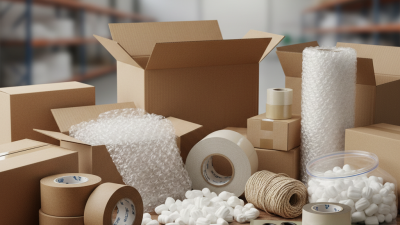
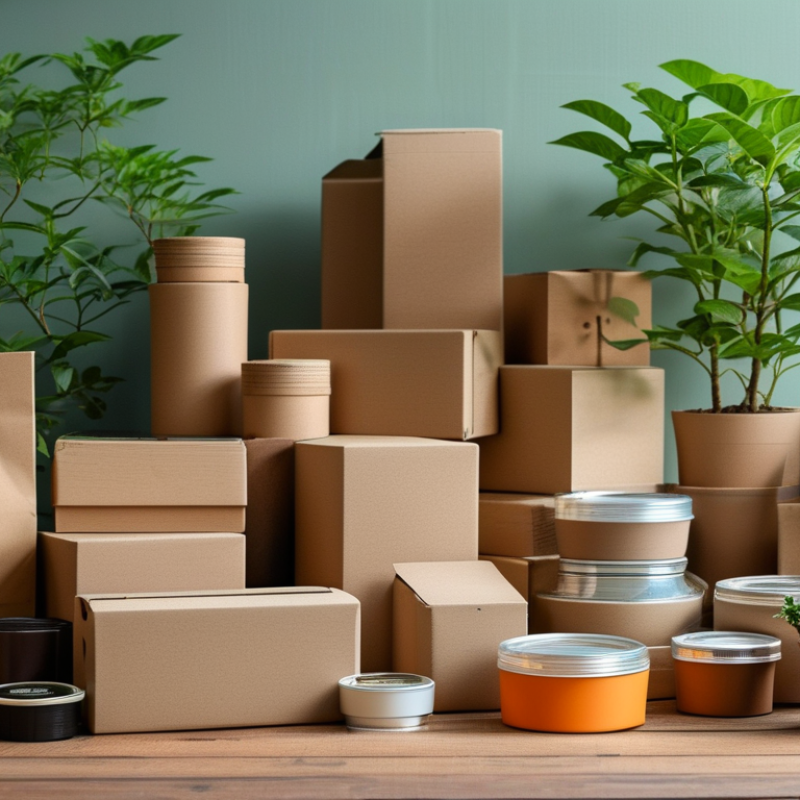
Packaging supplies are essential for businesses and individuals alike. They protect items during shipping and storage. Common types include boxes, bubble wrap, and tape. Each type serves a unique purpose, ensuring that products remain intact and undamaged.
When selecting packaging supplies, consider the item's nature. Fragile items require cushioning materials like foam or bubble wrap. For heavier objects, sturdy cardboard boxes are crucial. It's crucial to balance cost and quality. Cheaper options may save money initially but can lead to damaged goods and unhappy customers.
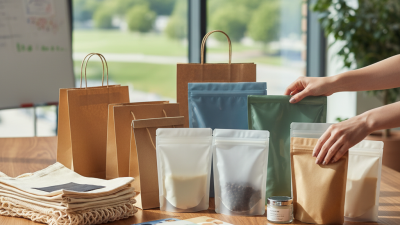
The choice of packaging can affect your brand image. First impressions matter. Attractive packaging can enhance a customer's experience. However, opting for overly complex designs might not always be practical. Reflect on your needs and goals. Sometimes, simplicity is more effective than extravagance.
Types of Packaging Supplies Available in the Market
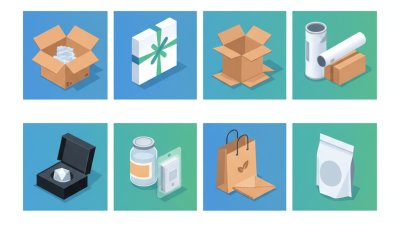
When selecting packaging supplies, it's crucial to understand the diverse options available. Each type serves a unique purpose, ensuring that products remain protected throughout shipping and handling. Common types include boxes, bubble wrap, tape, and envelopes. Boxes come in various shapes and sizes, making them versatile for shipping items of different dimensions. Bubble wrap provides cushioning for fragile items, while tape ensures secure closures.
Choosing the right packaging requires careful consideration. Think about the product's size and weight. A mismatched box can lead to damage or increased shipping costs. It's also essential to evaluate the packaging material. Eco-friendly options are becoming popular as more consumers, and businesses prioritize sustainability.
Remember that packaging should be functional but also reflect your brand. Unique designs and colors can enhance brand visibility. Test different combinations to see what works best for your items and budget. Sometimes, trying new materials or styles can lead to better protection or reduce costs. Balancing functionality and aesthetics can be challenging, but it is worth the effort to make a lasting impression.
What is Packaging Supplies and How to Choose the Best? - Types of Packaging Supplies Available in the Market
| Type of Packaging Supply |
Description |
Common Uses |
Material |
Eco-Friendly Options |
| Boxes |
Rigid containers for products, often with flaps that can be sealed. |
Shipping, product distribution, retail displays |
Cardboard, corrugated fiberboard |
Recycled cardboard options available |
| Bags |
Flexible containers often made for carrying products. |
Food, clothing, and small item packaging |
Plastic, paper, fabric |
Biodegradable or reusable options |
| Bubble Wrap |
Plastic material with air-filled bubbles for cushioning. |
Protection during shipping and storage |
Plastic |
Recycled options available |
| Tape |
Adhesive material used for sealing packages. |
Closing boxes, securing items |
Plastic, paper |
Paper tape options available |
| Labels |
Printed adhesive pieces used for identification. |
Shipping addresses, product information |
Paper, synthetic |
Recycled paper options available |
Factors to Consider When Choosing Packaging Supplies
Choosing the right packaging supplies is crucial for any business. One of the main factors to consider is the type of materials you need. Different products require different levels of protection. For fragile items, cushioned packaging is essential.
Meanwhile, food products may need materials that are moisture-resistant and food-safe. Understanding the specific needs of your products will guide your choices.
Another important consideration is sustainability. More customers prioritize eco-friendly materials today.
Using recyclable or biodegradable packaging can enhance your brand's image. However, the challenge lies in balancing cost and sustainability. Sometimes, greener options may be pricier. This can prompt reflection on budget constraints versus customer expectations.
Finally, consider the size and weight of your items. Packaging that is too large can lead to wasted materials and higher shipping costs. Conversely, too snug packaging may damage products. Assessing sizes carefully will help in selecting appropriate boxes or envelopes. Inadequate packaging can lead to returns and dissatisfaction. Adjusting your approach can enhance efficiency and customer experience.
How to Assess the Quality of Packaging Materials
When assessing the quality of packaging materials, consider factors such as durability and sustainability. Reliable sources indicate that about 30% of all products are damaged during transport. This is often due to inadequate packaging. Well-chosen materials can reduce this risk significantly.
Examine the thickness and strength of packaging. For instance, using corrugated cardboard can provide better protection for fragile items. Data shows that 70% of consumers prefer products with eco-friendly packaging. This indicates a clear trend towards sustainable practices in the industry. Companies that prioritize these aspects often see improved customer satisfaction.
Another key point to consider is the suitability of the material for your specific product. Not all packaging is equal, and different items require different protections. For example, food items often need specific barriers to maintain freshness. Understanding these requirements can help businesses avoid costly mistakes. Reflecting on past packaging choices can reveal areas for improvement.
Assessment of Packaging Material Quality
Tips for Sourcing Packaging Supplies Cost-Effectively
Choosing packaging supplies wisely can greatly impact your business's bottom line. To source these supplies cost-effectively, start by assessing your specific needs. Consider the types of products you offer. Their sizes and shapes play a crucial role in determining what packaging will work best. Smaller items may require less material, while larger ones often need sturdier options.
Research suppliers thoroughly. Look for vendors who offer bulk purchasing discounts. This can significantly lower your costs over time. Evaluating their delivery times is equally vital. Delays can affect your inventory and sales. Sometimes, a cheaper option may result in delayed shipments or poor-quality materials, which can be frustrating. Assessing customer reviews can provide insights but remember that experiences can vary.
Keep an eye on industry trends. Sustainable packaging is becoming more popular and can appeal to eco-conscious customers. However, this can also raise costs. Balancing cost with quality should always be a priority. Regularly revisit your supply choices. Markets change, and what seems cost-effective today may not be tomorrow. This reflection will help ensure that your packaging decisions remain aligned with your business strategy.