Pulp Molding Innovations at China Import and Export Fair 2026?
The upcoming 2026 China Import and Export Fair is set to highlight innovations in pulp-molding. This sustainable manufacturing approach has gained significant momentum in recent years. According to industry reports, the global pulp-molding market is expected to reach $1.7 billion by 2025, driven by increasing demand for eco-friendly packaging solutions.
During the fair, attendees can explore the latest advancements in pulp-molding technologies. These innovations address the pressing need for sustainable alternatives. The fair will feature over 155,000 square meters dedicated to various sectors, including advanced manufacturing where pulp-molding will play a key role. AI technologies will enhance navigation within the exhibition hall, allowing for efficient supplier searches based on specific certifications such as ISO and CE.
While there is immense potential, challenges remain. The industry grapples with scalability and quality consistency in mass production. Continuous improvement is crucial to meet growing market demands. Innovations showcased at the fair may spark new conversations about the future of pulp-molding.
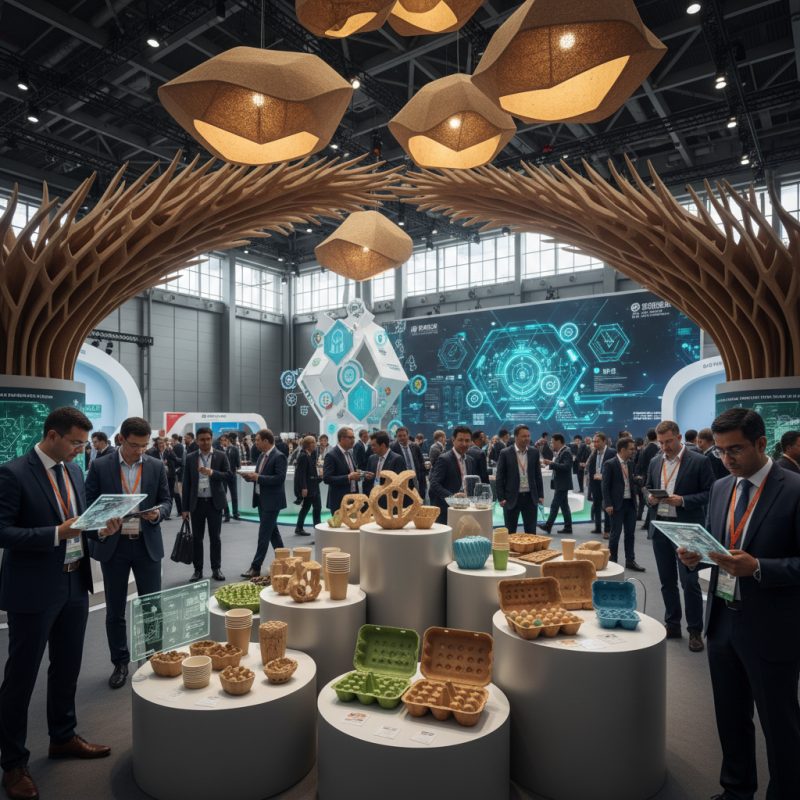
Pulp Molding Technology: Overview of Materials and Processes
Pulp molding technology has gained traction for its sustainability and versatility. This process transforms natural fibers into eco-friendly products. The materials used are usually recycled paper, agricultural residues, and other biodegradable substances. By using renewable resources, manufacturers reduce waste. This aligns with global efforts for a greener future.
The molding process itself involves several steps. First, raw materials are pulped and blended with water. The slurry is then shaped using molds. Heat and pressure cure the product, ensuring durability. It's fascinating to see how these simple materials become intricate shapes. However, challenges remain. Quality control can vary significantly between batches. This inconsistency can hinder product reliability.
Another area of reflection is the innovation in mold designs. Advanced molds can create complex structures, yet they require precision. Miscalculations can lead to defects. As the technology evolves, finding the balance between creativity and efficiency becomes paramount. Continuous improvement is vital for the industry’s growth and acceptance.
Market Trends: Growth of Pulp Molding Industry in China
The pulp molding industry in China is experiencing significant growth, driven by increasing environmental concerns and demand for sustainable products. Consumers are becoming more eco-conscious. They prefer biodegradable packaging over plastic options. This shift is pushing manufacturers to innovate in pulp molding techniques.
Several companies are exploring new materials to enhance durability and reduce costs. The use of local fibers is gaining popularity. These materials not only support the economy but also minimize transportation emissions. However, challenges remain in standardizing quality across different suppliers.
Tips: Focus on collaborations with local farmers for raw materials. This can ensure quality consistency and support the community.
Investing in technology to optimize production processes can improve efficiency. However, small businesses may struggle with initial costs. Finding the right balance between innovation and affordability is crucial. Monitoring market trends will help businesses adapt to consumer preferences effectively.
Key Innovations in Pulp Molding Showcase at 2026 Fair
The 2026 China Import and Export Fair promises a groundbreaking showcase of pulp molding innovations. Emerging technologies in this field are transforming sustainability in packaging. According to a recent report from the Global Pulp Molding Market, the sector is expected to grow by 8% annually through 2027. This indicates a strong momentum towards eco-friendly solutions.
One intriguing aspect of the fair is the focus on bio-based materials. Innovators are prioritizing biodegradable fibers, which significantly reduce waste. The transition to these materials is not without challenges. Companies are grappling with sourcing consistent quality fibers. Data shows that 45% of manufacturers find it difficult to meet sustainability standards. This inconsistency poses risks for both businesses and the environment.
Interactive displays will illustrate advancements in production techniques. Attendees can explore how these innovations improve efficiency. Live demonstrations will highlight automated systems that streamline operations. However, early adopters often face high initial costs. Many in the industry are questioning the feasibility of such investments. As the fair approaches, dialogue among stakeholders will be crucial. Will innovation or tradition dominate the future of pulp molding?
Pulp Molding Innovations Showcase at China Import and Export Fair 2026
Environmental Impact: Sustainability of Pulp Molding Solutions
The environmental impact of pulp molding solutions is increasingly significant. Pulp molding, made from renewable fibers, presents a sustainable alternative to plastics. A report from the EcoTech Institute states that using pulp molding can reduce carbon emissions by up to 30% compared to traditional materials. This is crucial in a world grappling with climate change.
More businesses are adopting pulp molding to embrace sustainable practices. The 2025 Global Sustainability Report indicates that 72% of manufacturers view pulp-based products favorably. This shift aligns with consumer demand for eco-friendly options. However, challenges remain. The industry's reliance on water during production raises concerns. Studies show that excessive water use can strain local resources, particularly in arid regions.
While pulp molding presents environmental benefits, it is not without flaws. Some suppliers struggle with sourcing sustainable fibers. This inconsistency may impact product quality. The industry must address these issues to ensure genuine sustainability and meet future market demands. Balancing innovation with responsible sourcing is key to a viable future.
Future Prospects: Forecasting Growth in Pulp Molding Exports by 2027
The pulp molding industry is set for significant growth by 2027. Recent reports indicate that the global market for pulp molding products is expected to surpass $10 billion by 2027. This growth is driven by a rising demand for sustainable packaging solutions. Consumers are increasingly aware of environmental issues. They prefer biodegradable materials over traditional plastics.
China plays a pivotal role in this transformation. The country is one of the largest producers of pulp molding products. Exports are projected to rise by over 20% annually in the coming years. The trend is fueled by international companies seeking environmentally friendly packaging. This shift presents both opportunities and challenges.
Innovations in pulp molding technology are crucial. However, not all advancements are equally effective. Some methods still face scalability issues. There’s a need for better optimization of production processes. Investing in research and development can enhance efficiency. As the industry evolves, stakeholders must address these imperfections. Adapting to market needs will determine the future success of pulp molding exports.
