Top 10 Tips for Choosing the Best Kraft Packaging for Your Products
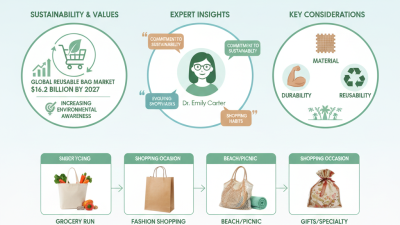
When it comes to making a lasting impression on consumers, the right packaging can play a pivotal role, especially in industries where sustainability is paramount. Kraft packaging has become increasingly popular due to its eco-friendly properties and versatility. According to Dr. Emily Thompson, a leading expert in sustainable packaging solutions, "Choosing the right kraft packaging not only enhances product appeal but also aligns with the growing consumer preference for environmentally responsible materials."
In a marketplace flooded with options, selecting the best kraft packaging for your products can be challenging. With its unique texture and natural aesthetic, kraft packaging offers a range of benefits that can elevate your brand’s image while minimizing environmental impact. From food items to retail goods, the choice of packaging can significantly influence customer perception and purchasing decisions.
Driven by the demand for sustainability, it is essential for businesses to stay informed about the latest trends and best practices in kraft packaging. Understanding the characteristics of kraft materials and their potential applications allows companies to make informed choices that resonate with their target audience and promote longevity in their branding efforts.
Understanding the Basics of Kraft Packaging Materials
Kraft packaging materials have gained popularity in various industries due to their eco-friendliness and versatility. Made from natural wood fibers, Kraft paper is biodegradable and recyclable, making it an excellent choice for businesses aiming to reduce their carbon footprint. Understanding the different types of Kraft packaging, such as Kraft paper bags, boxes, and wraps, is essential for selecting the right option that meets both functional and aesthetic requirements of your products.
When choosing Kraft packaging, consider the weight and durability needed for your items. Kraft paper comes in different grades, each catering to specific applications, from lightweight wraps for fragile products to heavier-duty options for bulk items. Additionally, the surface texture of Kraft paper can impact print quality; smoother finishes typically allow for better graphics and branding elements. Therefore, assessing the nature of your product and how it will be presented is crucial in making an informed decision about the appropriate Kraft packaging that aligns with your brand's values and consumer expectations.
Evaluating the Sustainability of Kraft Packaging Options
When evaluating the sustainability of Kraft packaging options, it is crucial to consider the materials' environmental impact throughout their lifecycle. Kraft paper is primarily made from wood pulp, sourced from trees, which means its sustainability hinges on responsible forestry practices. Look for Kraft packaging produced from recycled materials or certified sources, ensuring that you are supporting eco-friendly operations.
Incorporate eco-conscious tips when choosing Kraft packaging for your products. For instance, assess the thickness and durability of the paper based on your product's needs; thicker Kraft paper is often more resistant to wear and tear, reducing waste during shipping and handling. Additionally, explore options for biodegradable or Compostable coatings that enhance the packaging's resistance to moisture without compromising its environmental integrity.
Lastly, consider the potential for reusability among Kraft packaging options. Select designs that encourage customers to repurpose packaging or those that come with minimal environmental impact upon disposal. This not only aligns with sustainability goals but also resonates with consumers increasingly mindful of their ecological footprint. By prioritizing these factors, businesses can effectively embrace a sustainable approach to Kraft packaging while ensuring their products remain well-protected and appealing.
Assessing the Durability and Protection of Kraft Packaging
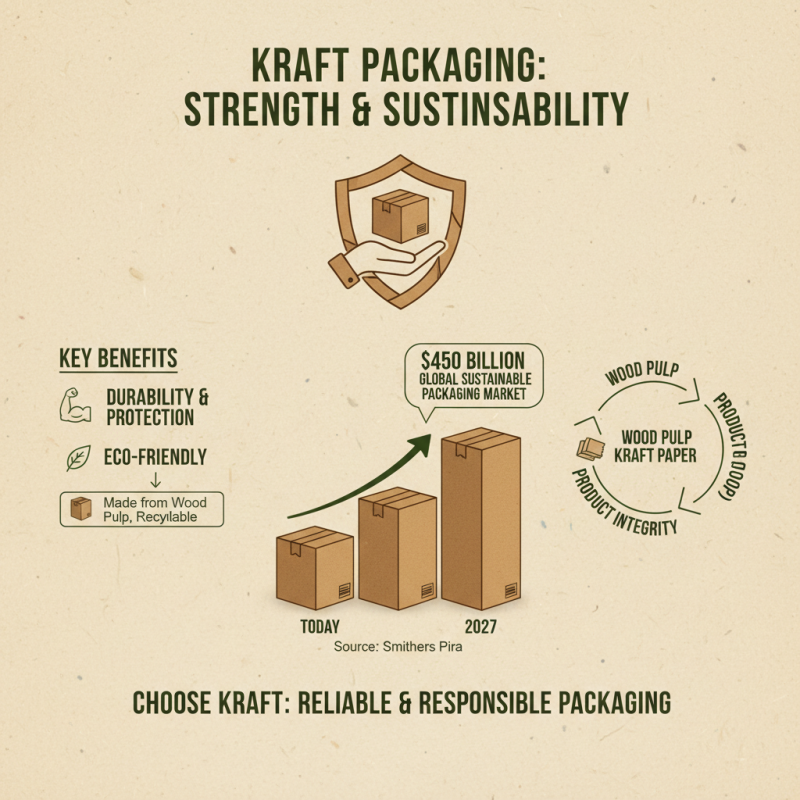
When it comes to selecting Kraft packaging for your products, durability and protection should be at the forefront of your decision-making process. Kraft paper, known for its strength and flexibility, is made from wood pulp, which contributes to its impressive tear resistance. According to a report by Smithers Pira, the global market for sustainable packaging, which includes Kraft packaging, is projected to reach $450 billion by 2027. This growth indicates a heightened awareness and preference for materials that maintain product integrity while offering environmental benefits.
Assessing the protection capabilities of Kraft packaging involves understanding its various characteristics, such as moisture resistance and tensile strength. Tests have shown that Kraft paper can endure various environmental stresses, making it suitable for a wide range of products, from food to electronics. The Fibre Box Association reports that corrugated cardboard, often made from Kraft paper, can withstand impacts of up to 50% better than traditional packaging materials. This level of protection ensures that products reach consumers in pristine condition, enhancing brand reliability and customer satisfaction. Choosing Kraft packaging is not just about aesthetic appeal; it's a practical choice for ensuring product safety and maintaining a strong environmental ethos.
Customizing Kraft Packaging for Your Brand Identity
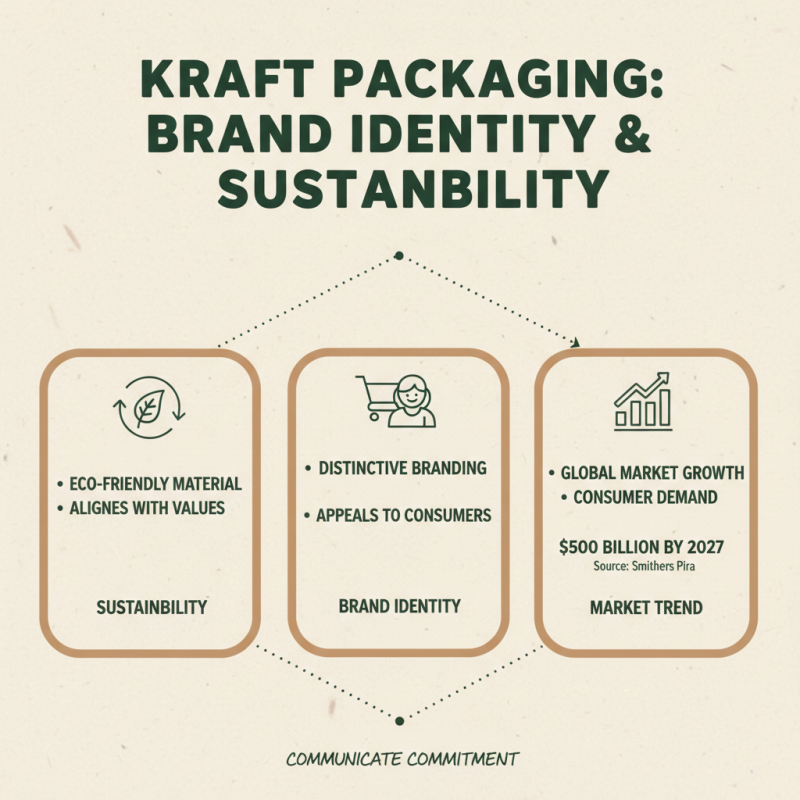
Customizing Kraft packaging is essential for establishing a distinctive brand identity that resonates with consumers. In a world where sustainability is increasingly prioritized, Kraft paper, known for its eco-friendly characteristics, offers brands the opportunity to align their packaging with their values. A recent report by Smithers Pira indicates that the global market for sustainable packaging is projected to reach $500 billion by 2027, highlighting the increasing consumer demand for environmentally conscious solutions. By utilizing Kraft packaging, brands can appeal to this demographic while effectively communicating their commitment to sustainability.
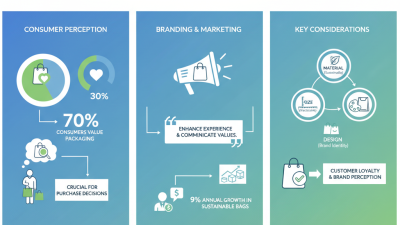
Moreover, customizing Kraft packaging allows brands to create a memorable unboxing experience that enhances customer engagement. The tactile nature of Kraft paper adds a sensory element that can strengthen brand loyalty. According to a study by Packaging Strategies, 70% of consumers believe that packaging contributes significantly to their purchasing decisions. Incorporating unique design elements, such as brand colors, logos, and creative textures, can elevate a product's perceived value and set it apart from competitors. In today’s competitive market, investing in customized Kraft packaging not only showcases a brand’s identity but also fosters a connection with consumers, ultimately driving sales and brand loyalty.
Cost Considerations When Selecting Kraft Packaging Solutions
When selecting Kraft packaging solutions, cost considerations play a pivotal role in the decision-making process. According to a recent report by Smithers Pira, the global market for sustainable packaging, which includes Kraft materials, is projected to reach $500 billion by 2024. This growing trend emphasizes the importance of balancing cost with other critical factors such as sustainability, strength, and brand appeal. Businesses must evaluate the long-term benefits of investing in Kraft packaging, which often yields a lower carbon footprint and enhances their environmentally conscious image, potentially attracting a wider customer base.
Moreover, companies should assess the cost-effectiveness of various Kraft packaging options. The average cost of Kraft paper has been reported to fluctuate between $850 to $1,200 per ton, depending on the quality and sourcing methods. By leveraging bulk purchasing agreements and optimizing supply chain logistics, businesses can significantly reduce their packaging costs. Furthermore, investing in lightweight Kraft materials can decrease shipping expenses, providing an added layer of financial advantage without compromising product safety and integrity. Thus, careful consideration of both immediate and future costs can lead to more informed decisions that bolster both profitability and sustainability in the competitive packaging landscape.