Top 10 Gift Packaging Ideas for Global Buyers
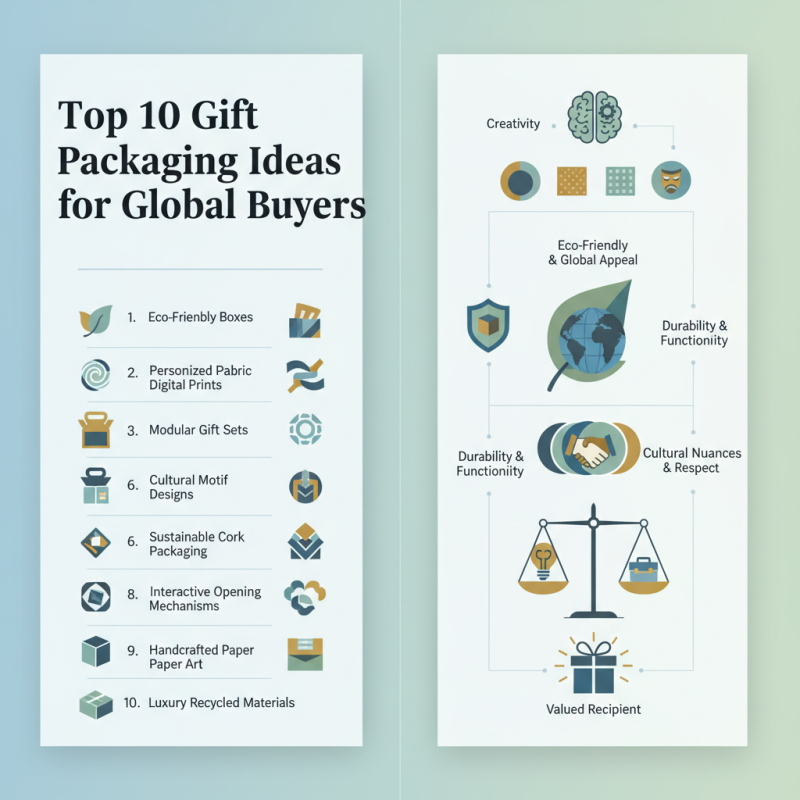
In today's diverse marketplace, effective gift packaging is vital for making memorable impressions. Consumers seek unique and appealing packaging that reflects their personal style and the occasion. This emphasis on presentation elevates the gift experience, transforming simple items into cherished treasures.
Creativity is crucial in gift packaging. Buyers must consider colors, materials, and themes that resonate with their audience. Eco-friendly options are increasingly popular, appealing to environmentally conscious consumers. However, it's easy to overlook practical aspects, like durability and functionality. A beautifully designed package should also protect its contents effectively.
Moreover, cultural differences play a significant role in gift-wrapping traditions. Understanding these nuances can enhance the appeal to global buyers. Gift packaging should not only be attractive but also respectful of diverse customs. This is a challenge that requires thoughtful reflection and adaptation to cater to a wide range of preferences. Ultimately, the perfect gift packaging strikes a balance between creativity and practicality, ensuring that the recipient feels valued.
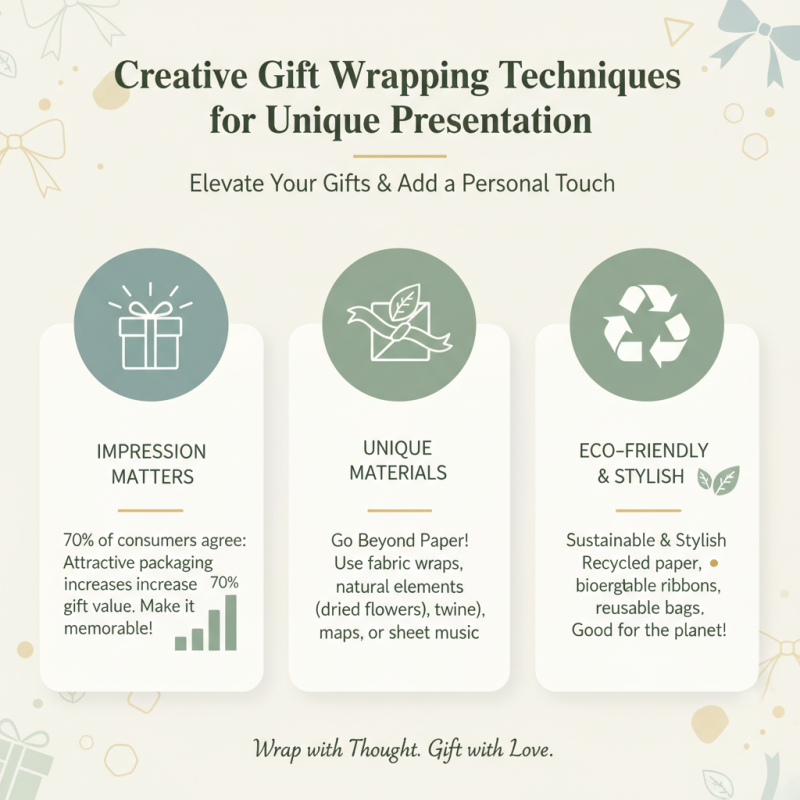
Creative Gift Wrapping Techniques for Unique Presentation
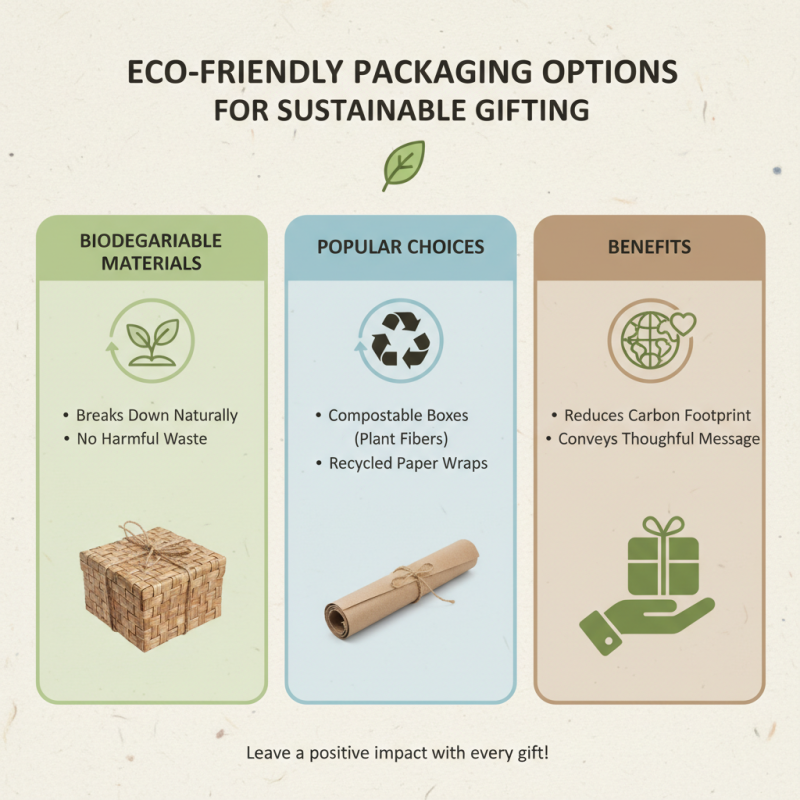
Creative gift wrapping is essential for making an impression. According to a survey by the Gift Packaging Association, 70% of consumers believe that attractive packaging enhances their perception of the gift's value. Using unique techniques doesn't just elevate a gift but also adds a personal touch. For instance, employing eco-friendly materials like recycled paper and biodegradable ribbons not only looks great but fosters sustainability.
Experimenting with different textures and forms can transform a simple gift into a masterpiece. Try incorporating handmade elements, like custom labels or origami folds. These details can create a story that resonates with the recipient. In fact, research indicates that gifts wrapped with care and creativity are more likely to be cherished. However, not every wrapping technique will yield perfect results. Some might even look awkward if not executed well, which requires a bit of trial and error.
Visuals matter too. Studies show that gifts displayed attractively can increase excitement. Consider layering colors or patterns, but avoid clashing combinations. Simplicity often outshines complexity. Reflecting on these elements can lead to innovative ideas that captivate both the giver and receiver alike.
Cultural Considerations in Gift Packaging for Global Markets
When considering gift packaging for global markets, cultural nuances play a critical role. For instance, in
Japan, the wrapping is as important as the gift itself. A beautifully wrapped gift signals respect and consideration. In contrast, in many
Western cultures, the emphasis often lies on the gift itself, with simpler packaging being acceptable. According to a report by the International Journal of Retail & Distribution Management,
82% of consumers in Eastern cultures prefer intricate designs in gift packaging. This reflects a deeper cultural appreciation for aesthetics and presentation.
Different countries also have unique traditions that affect gift packaging. In China, red packaging signifies good luck and prosperity, while in India, colorful wraps are customary for celebrations. Yet, not all traditions are universally understood. A poorly chosen packaging color can lead to unintended messages. For instance, white is associated with mourning in several Asian cultures, which is often overlooked by global brands. The same report highlights that
65% of global consumers would reconsider their purchase if the packaging seemed culturally insensitive.
In summary, leveraging cultural insight in gift packaging can significantly impact perception and sales. It is essential for global buyers to research these cultural nuances before entering new markets. Not all choices are perfect, and adapting to local preferences can require trial and error.
Trendy Materials and Designs Influencing Modern Gift Packaging
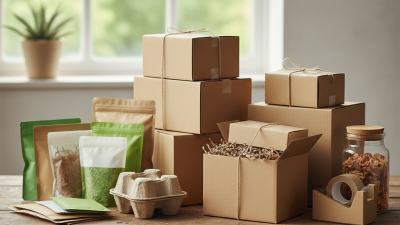
Gift packaging plays a critical role in enhancing the consumer experience. With evolving trends, materials, and designs, the packaging itself often becomes the focal point. Innovative textures like kraft paper, organic cotton, and biodegradable options have emerged as popular choices. These materials not only appeal visually but are also environmentally friendly. Consumers increasingly value the story behind the packaging, making sustainable choices appealing.
Moreover, designs that reflect personal touches resonate more with buyers. Handwritten messages and custom prints add distinctive flair. Patterns inspired by nature or cultural motifs can evoke deeper emotional connections. Simple color schemes can elevate the overall aesthetic without overwhelming the gift. However, finding the right balance between stylish and functional can be challenging.
Despite the push for unique designs, minimalism remains a popular choice. Clean lines and understated elegance can make gifts look sophisticated. Still, the pressure to stand out may lead to overcomplicated designs that miss the mark. Reflecting on the importance of balance in both materials and designs is essential. Gift packaging should enhance, not distract from, the occasion it represents.
Top 10 Gift Packaging Ideas for Global Buyers - Trendy Materials and Designs Influencing Modern Gift Packaging
| Gift Packaging Idea |
Material |
Design Style |
Environmental Impact |
Target Audience |
| Eco-Friendly Kraft Paper |
Kraft Paper |
Minimalist |
Biodegradable |
Environmentally Conscious Shoppers |
| Luxury Gift Boxes |
Cardboard with Foil |
Elegant |
Recyclable |
Luxury Buyers |
| Fabric Wraps |
Natural Fabrics |
Cultural |
Reusability |
Eco-Friendly Enthusiasts |
| Personalized Wrapping Paper |
Paper |
Custom Design |
Standard |
Personal Touch Givers |
| Sustainable Jute Bags |
Jute |
Rustic |
Biodegradable |
Shopping Lovers |
| Glass Jar Packaging |
Glass |
Vintage |
Reusable |
Gourmet Food Buyers |
| Colorful Gift Bags |
Paper |
Bright and Cheerful |
Standard |
Casual Givers |
| Recycled Textile Pouches |
Recycled Textiles |
Chic |
Eco-Friendly |
Fashion-Conscious Shoppers |
| Quirky Box Shapes |
Cardboard |
Unique Design |
Standard |
Creative Minds |
| Nature-Inspired Packaging |
Biodegradable Materials |
Natural |
Eco-Friendly |
Nature Lovers |
Enhancing Customer Experience with Personalization in Gift Wrap
Personalization in gift wrap transforms a simple present into a memorable experience. When customers receive a gift wrapped with care, it conveys thoughtfulness. Incorporating personal touches, such as customized messages, adds significant value. A handwritten note or an image related to the recipient can make a big difference. Simple additions create a deeper connection.
Consider unique materials for wrapping. Eco-friendly options attract environmentally conscious buyers. Using natural fibers or recycled paper not only shows creativity but also aligns with sustainable practices. Think about textures and colors that resonate with the recipient’s personality. These choices not only enhance aesthetics but also elevate the emotional impact of the gift.
Yet, personalization comes with challenges. Not all consumers expect customizations. Some prefer minimalistic designs. It's essential to find a balance between creativity and simplicity. Understanding your audience can guide these decisions. Experiment with different styles and seek feedback. An open mind helps you adapt and improve, ensuring your gift packaging resonates well.
Top 10 Gift Packaging Ideas for Global Buyers