Top Retail Bags Styles for Every Shopping Experience?
The retail bags industry plays a crucial role in shaping consumer experiences. According to recent studies, the global market for retail bags is projected to reach $20 billion by 2025. This growth is driven by an increased demand for sustainable options and customization. Expert Karen Thompson, a leading figure in retail packaging, noted, "Retail bags are not just functional; they reflect a brand's identity."
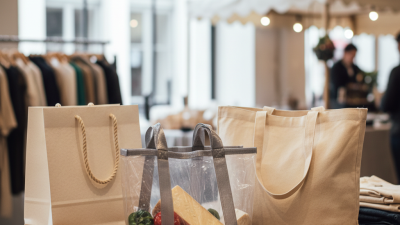
The variety of retail bags available today caters to every shopping scenario. From eco-friendly totes to elegant gift bags, each style serves a purpose. Consumers now prefer bags that offer both utility and aesthetic appeal. However, there are challenges to consider. Not all available materials meet sustainability standards, raising questions about the true environmental impact.
The adoption of new technologies, such as artificial intelligence, enhances the retail bags market. AI can help businesses better understand consumer preferences and streamline production processes. Yet, the industry must continuously reflect on its practices. Transitioning to truly sustainable solutions remains a work in progress, demanding critical assessments and innovative thinking.
Top Retail Bags Styles for Grocery Shopping: A Practical Guide
When it comes to grocery shopping, choosing the right retail bag style can significantly enhance your experience. According to recent industry reports, over 60% of consumers prioritize convenience when shopping. Shopping bags are more than just carriers; they affect how we feel about our purchases.
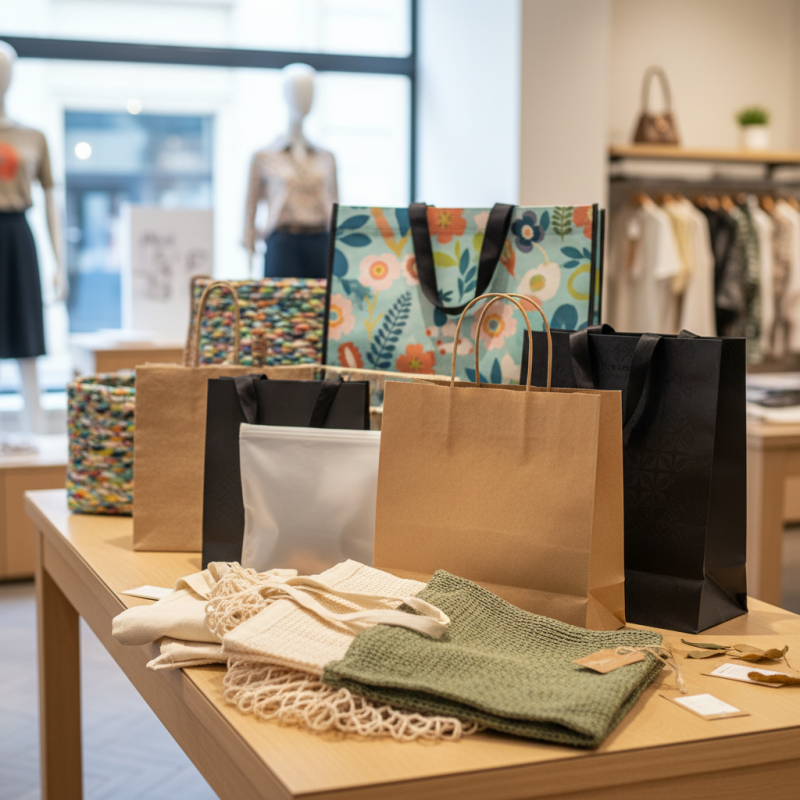
Reusable bags are gaining popularity. They are sturdy and can hold more items. However, it’s important to consider hygiene, as many shoppers forget to clean these bags regularly. A study found that about 30% of reusable bags contain harmful bacteria, highlighting the necessity for proper maintenance. Always wash your bags periodically, especially after carrying raw food items.
Paper bags are an eco-friendlier choice. They break down easily and are recyclable. However, they can tear more easily with heavy groceries. Remember to double-bag if necessary. Many consumers also underestimate the importance of bag sizes. A well-sized bag can make a trip easier and more efficient. No one enjoys constantly rearranging items while shopping.
Tips: Think about the items you buy most. Choose a bag that fits your regular purchases. Always keep a few extra bags in your car. This small habit can save you a lot of hassle while shopping.
Eco-Friendly Bag Trends: Driving Change in the Retail Industry
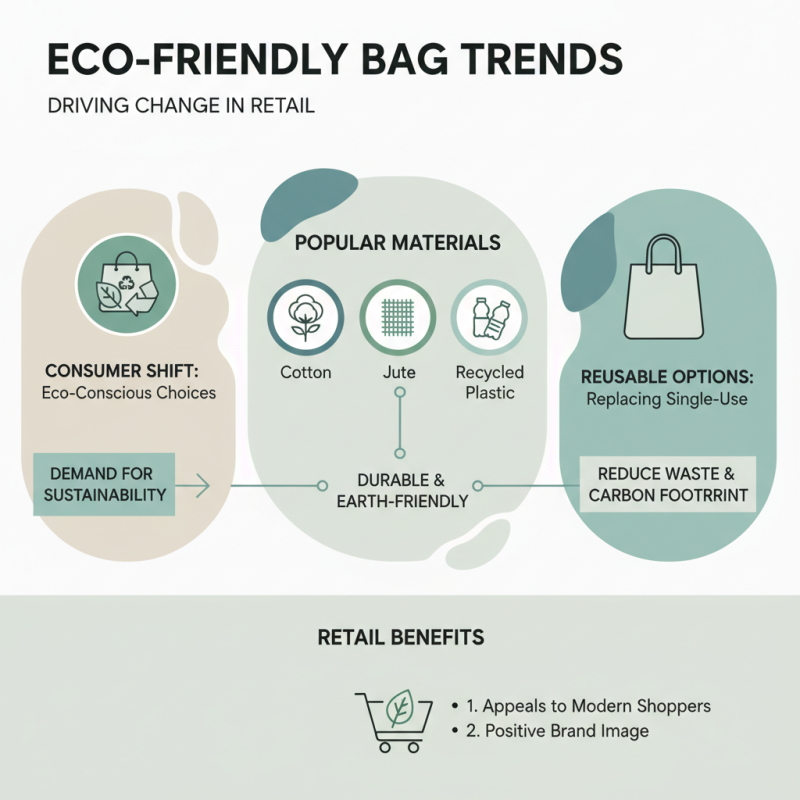
As consumers become more eco-conscious, retail bag trends are evolving. Many shoppers now seek bags made from sustainable materials. Cotton, jute, and recycled plastics are gaining popularity for being both durable and environmentally friendly. These materials reduce waste and lower carbon footprints. There’s a noticeable shift from single-use bags to reusable options. Customers appreciate the style and function of these bags.
However, not all eco-friendly bags are created equal. Some promotions falsely claim sustainability. This can lead to confusion among shoppers. It’s important for consumers to research the materials used. Labels often lack clarity. Many still don’t know how to properly recycle certain bags. Misunderstandings can undermine the positive impacts of these eco-friendly choices.
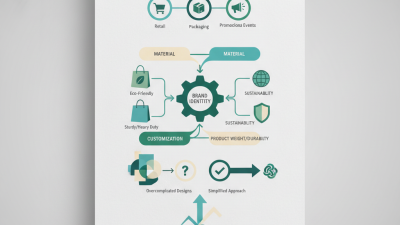
Moreover, while the push for sustainable bags is commendable, there are challenges. Some people still rely on plastic bags for convenience. The transition to eco-friendly options requires time and education. Brands need to simplify this process. By providing clear information and incentives, more shoppers may embrace change. It’s a collective effort towards a greener future, one bag at a time.
The Rise of Reusable Bags: Market Statistics and Consumer Preferences
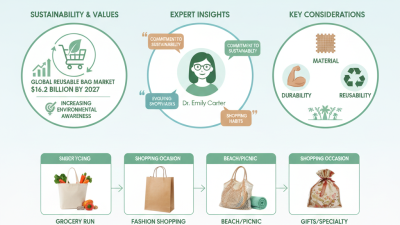
The trend of reusable bags is growing rapidly. More consumers are choosing eco-friendly options over single-use plastic. Recent statistics show that around 70% of shoppers prefer reusable bags. This shift is not just about the environment. It reflects a change in shopping habits and values.
Many shoppers now associate reusable bags with convenience and durability. They appreciate the design and functionality. Bright colors and patterns attract attention. However, there are flaws in this trend. Some individuals forget to bring their bags when shopping. Others may not clean them regularly, leading to hygiene concerns. It is essential to reflect on these practices.
The rise of reusable bags also highlights ongoing consumer consciousness. People are becoming more aware of their impact on the planet. Yet, challenges remain. The recycling process for these bags can be complex. Not all consumers understand the differences between materials. Mistakes often happen, and education is key. Ultimately, the journey to sustainability is ongoing and requires effort.
Comparing Paper vs. Plastic Bags: Environmental Impact Analysis
When it comes to shopping, bags are essential. They can be made of paper or plastic. Each material has its own environmental impact. Paper bags are biodegradable. They break down naturally, reducing landfill waste. However, the process of making paper requires trees. This can lead to deforestation and biodiversity loss.
Plastic bags, on the other hand, are durable. They can be reused but don't decompose easily. When discarded, they can harm wildlife and pollute oceans. The production of plastic bags also emits greenhouse gases. This makes plastic bags a controversial choice. Many prefer paper for its natural appeal, but it’s not without downsides.
Both options have flaws. Many consumers feel torn about their choices. Can we really choose the lesser evil? Reusable bags emerge as a potential solution. They can offer a sustainable alternative if used consistently. However, not everyone remembers to bring them to the store. The challenge lies in changing habits for better environmental practices.
Top Retail Bags Styles for Every Shopping Experience
Specialty Retail Bags: Tailoring Styles for Luxury Shopping Experiences
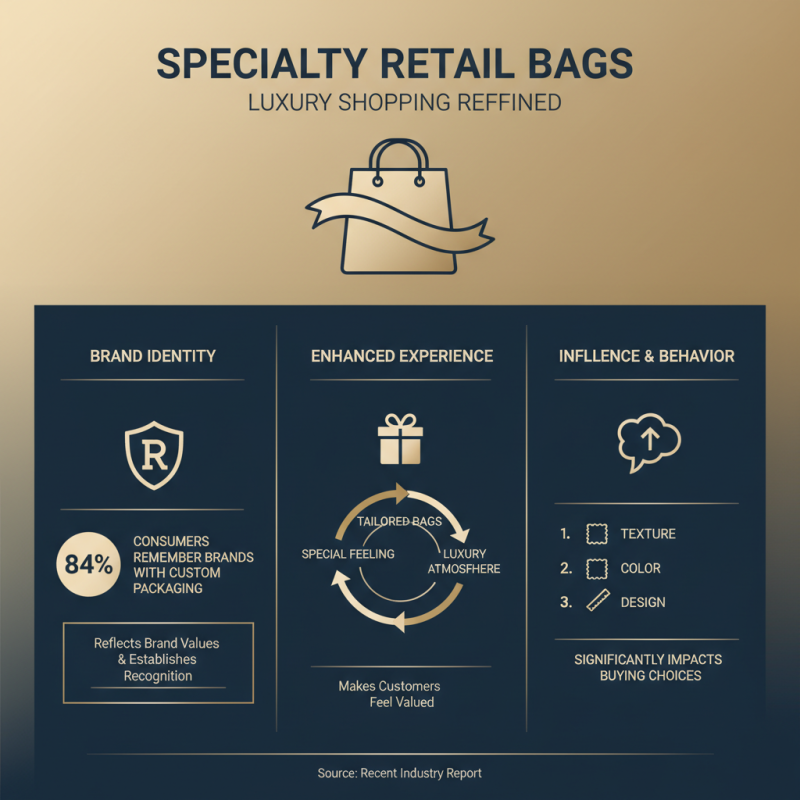
Luxury shopping experiences require unique retail bags that reflect brand identity. A recent report indicated that 84% of consumers remember a brand better when it uses customized packaging. Tailored bags enhance the overall shopping atmosphere, making customers feel special. The texture, color, and design of the bag can significantly influence buying behavior.
Specialty retail bags often incorporate high-quality materials. Customers have shown a willingness to pay up to 20% more for products packaged in sustainable materials. However, not all retailers prioritize this choice. Many still opt for generic options, missing a chance to create memorable experiences. The tactile quality of a luxurious bag can invite touch and enhance emotional connections.
While many luxury retailers focus on aesthetics, the practical aspect should not be overlooked. Bags must also be functional for shoppers. A well-designed bag can elevate a mundane shopping trip. Yet, some brands fail to consider usability. A beautiful bag that is difficult to carry can detract from the experience. Balancing beauty and functionality remains a challenge for many.