What Are the Top Types of Retail Boxes in 2026?
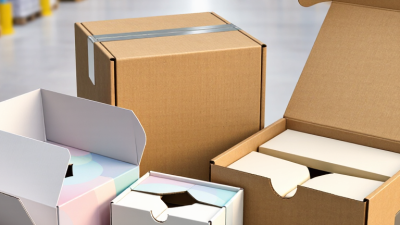
In 2026, choosing among retail boxes means balancing shelf appeal, product protection, shipping needs, and material use. A folding carton can give skincare or snack products a crisp, printable face. A corrugated mailer handles rougher journeys. Rigid boxes add weight and structure to premium gifts, while kraft boxes offer a simpler, natural look. Display boxes put products within reach. Each type solves a different problem. None is perfect.
Design researcher Don Norman offers a useful principle: “Good design is actually a lot harder to notice than poor design, in part because good designs fit our needs so well that the design is invisible.” That idea applies to packaging, too: a well-chosen box protects the item, opens without a struggle, and communicates clearly at a glance. Still, a polished appearance cannot make up for a box that wastes space or arrives crushed.
This guide compares the top types of retail boxes and where each tends to work best. It looks at materials, structure, printing, and practical trade-offs, with examples from shelf-ready cartons to sturdy mailers. The right choice depends on the product, the sales channel, and the customer’s first interaction with the package. Small details matter. A tight-fitting insert, a clean opening, or a smudged logo can change the experience. And some decisions remain imperfect: lower material use, stronger protection, and premium presentation do not always point to the same box.
How Retail Boxes Are Classified by Structure, Material, and Use
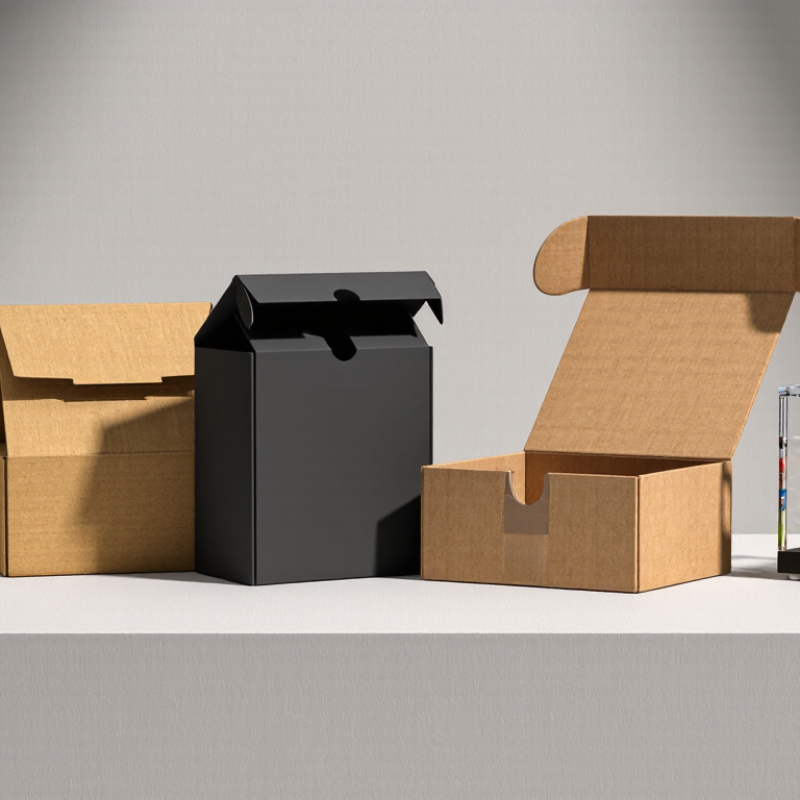
Retail boxes are commonly classified by structure, material, and use. Structure describes how a box forms and opens. Folding cartons ship flat and fold into shape, while rigid boxes arrive assembled. Corrugated boxes add a fluted inner layer for cushioning. Some sit upright. Shelf-ready trays expose products directly to shoppers; sleeves add a printed outer layer without fully enclosing the item.
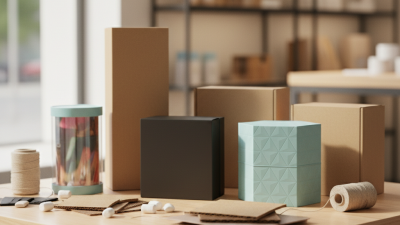
Material changes the box’s weight, feel, and protection. Paperboard suits lightweight goods and clean shelf presentation. Corrugated board handles heavier items and shipping impacts. Plastic boxes resist moisture, while molded fiber can hold products in shaped compartments. Smithers’ The Future of Global Packaging to 2028 valued the worldwide packaging market at about $1.17 trillion in 2023, with a forecast of $1.42 trillion by 2028. That figure covers packaging broadly, not retail boxes alone, but it shows the scale of material and design choices.
Use adds another layer: a box may protect goods in transit, support display, or make opening easier. A useful distinction. These roles can overlap, and a package designed for shipping may look clumsy on a shelf. The U.S. Environmental Protection Agency’s 2018 Advancing Sustainable Materials Management fact sheet reported a 96.5% recycling rate for corrugated boxes. That statistic is specific to the United States and corrugated material, not every retail package. A practical choice still depends on product weight, moisture exposure, shelf space, and local recovery options.
Typical thickness ranges vary by grade and supplier. Folding cartons and sleeves are commonly made from paperboard; rigid setup boxes use thicker paperboard, while corrugated boxes use fluted board for added protection. Thickness alone does not determine strength or suitability.
Corrugated Boxes: 393.9 Billion Sq Ft Produced in 2023 (FBA)
What Are the Top Types of Retail Boxes in 2026?
The Fiber Box Association (FBA) reported 393.9 billion square feet of corrugated products produced in 2023. That is substantial. The figure shows how widely corrugated packaging is used, but it does not mean every retail product needs a large shipping carton. Box choice depends on weight, fragility, display needs, and the journey from warehouse to shelf.
Corrugated boxes remain practical for shipping heavier goods and protecting products in transit. Folding cartons suit lighter items and can be shaped for retail shelves. Rigid boxes offer a sturdy, polished feel, though they often use more material and storage space. These types will likely remain relevant in 2026. A useful caution: impressive production totals can obscure the real question—whether a box fits its product without excess space or unnecessary layers.
Tips: Match the box’s strength to the product’s weight, and test it with the actual contents. Check corners and closures after handling. A box that looks neat on a screen may arrive creased or oversized. Measure before ordering, and leave room to reassess.
Folding Cartons and Sleeves: Paperboard Formats for Shelf Display
Folding cartons and paperboard sleeves are useful retail formats when products need a tidy, visible shelf presence. A folding carton encloses the item on most sides and can include tuck-in flaps, a hanging tab, or a small display window. Its flat-packed form helps reduce storage space before assembly. Once filled, it gives products a clear front panel for instructions, product details, and readable graphics.
Sleeves work differently. A printed strip of paperboard wraps around a box, tray, or grouped products, leaving some surfaces exposed. That can make the contents easier to see while adding a branded-looking information panel—without requiring a fully printed outer carton. Check the fit carefully: a loose sleeve may slide during handling, while a tight one can crease or tear at the corners. Small samples reveal these problems early.
Both formats depend on suitable board weight, accurate cutting, and print that stays legible under retail lighting. A carton offers more protection and room for information, but uses more material than a simple sleeve. A sleeve may be efficient, yet it cannot replace a sturdy inner package when products need extra support. That trade-off is easy to underestimate. Shelf tests help: place a filled sample beside competing items and check whether key text remains visible from a few feet away.
Rigid and Mailer Boxes: Premium Retail and E-Commerce Packaging
In 2026, rigid and mailer boxes serve different retail moments. A rigid box uses thick, wrapped board to create a sturdy, refined presentation. Its firm walls help protect items such as glassware, small electronics, and delicate accessories. A lift-off lid or magnetic closure can make opening feel deliberate. Quietly substantial.
Mailer boxes are made for shipping and easier handling. Their folding corrugated structure can protect products during routine delivery, while a tuck-in flap keeps contents contained without a separate lid. They work well for apparel, books, and subscription orders. A snug fit matters: too much empty space lets products shift, while oversized packaging adds bulk and filler.
The choice depends on how customers receive and use the product. Rigid boxes suit in-store gifting and products where presentation is part of the experience. Mailers are often more practical for direct shipping, especially when a product is lightweight and not unusually fragile. Test a packed sample with the actual item; a box that looks strong on a screen may buckle at its corners. One trade-off is easy to miss: rigid packaging can feel excessive for everyday purchases, while a simple mailer may not create the same premium impression. A small paper insert or carefully placed tissue can improve the unboxing without changing the box structure.
Corrugated Recovery: 96.5% Recycled in 2018, Reports AF&PA
In 2026, corrugated shipping boxes remain a practical choice for many retail orders. They stack neatly, cushion products with fluted layers, and can be printed for shelf or doorstep use. The American Forest & Paper Association reported that 96.5% of corrugated packaging was recovered for recycling in 2018. That is a striking industry figure. It describes recovery, however, not the recycled content of every box or what happens after collection.
The U.S. Environmental Protection Agency’s Advancing Sustainable Materials Management: 2018 Fact Sheet reported a 68.2% recycling rate for paper and paperboard overall. These figures use different material scopes, so they should not be treated as interchangeable. For retailers, a well-sized corrugated mailer can reduce excess filler, while folding cartons suit lighter goods and rigid boxes offer structure for premium items. A damp, crushed box may still be rejected locally. That part is easy to overlook. Recyclability on paper does not guarantee successful recycling; clean, dry packaging and reliable collection systems matter. A simple crease, a strip of tape, or an oversized box can change the practical outcome.