Top 10 Wine Bottle Boxes for Global Buyers to Consider?
As the global wine market continues to flourish, the demand for quality wine bottle boxes is also rising. According to a report by Grand View Research, the global wine packaging market is projected to reach USD 13.2 billion by 2025. Wine bottle boxes play a crucial role in this growth. They ensure safe transportation and enhance the product's presentation. Quality packaging can significantly impact a consumer's purchasing decision.
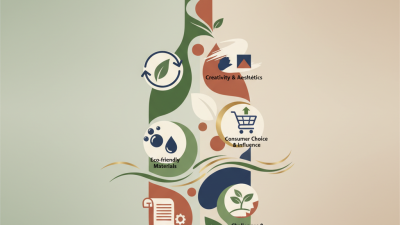
In recent years, sustainable packaging has gained traction. Many consumers now prefer eco-friendly materials. A study by Nielsen revealed that 73% of millennials are willing to pay more for sustainably packaged products. This shift is influencing manufacturers to adapt. The challenge lies in balancing quality, cost, and sustainability. Wine bottle boxes must not only protect the product but also align with environmentally responsible practices.
Choosing the right wine bottle box is essential for producers. It reflects their brand identity. A well-designed box can elevate the overall experience for the consumer. However, not all box options are created equal. It's critical for buyers to evaluate various factors, including materials, aesthetics, and functionality. With the competitive landscape, investing in quality wine bottle boxes can lead to increased brand loyalty and sales.
Factors to Consider When Choosing Wine Bottle Boxes
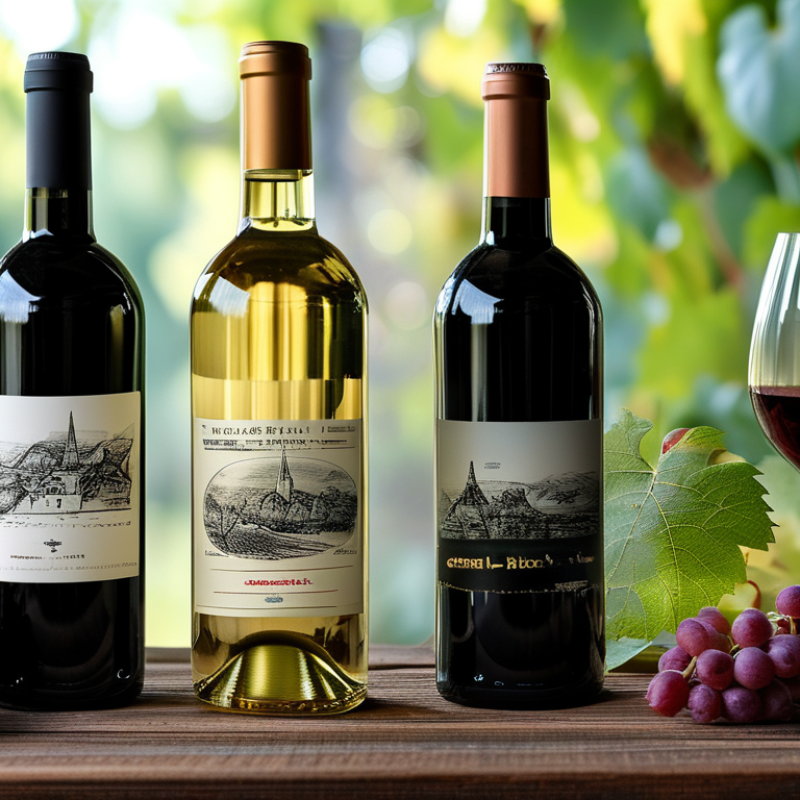
When selecting wine bottle boxes, several factors play a crucial role in ensuring both functionality and aesthetics. Material choice is vital. Options include cardboard, wood, and even metal. Each type offers unique benefits. For instance, wood provides a classic look but may be more expensive. Cardboard is lightweight and customizable, making it a practical option. Durability and insulation should also be considered when packaging.
Design plays a significant role in consumer appeal. Elegant packaging can enhance brand perception. Think about colors, textures, and how the box opens. Easy access can improve user experience, especially during celebrations. Additionally, consider the size. It should fit standard wine bottles snugly to prevent movement during transport. However, some buyers prefer a looser fit for ease of packaging.
Another essential factor is sustainability. More consumers prefer eco-friendly options these days. Look for recyclable or biodegradable materials. While these choices may come with trade-offs in cost, they can increase customer loyalty. Balancing aesthetics, functionality, and eco-friendliness can be challenging. Assessing these aspects thoughtfully can lead to better decision-making in selecting the right wine bottle box for your audience.
Types of Wine Bottle Boxes Available Worldwide
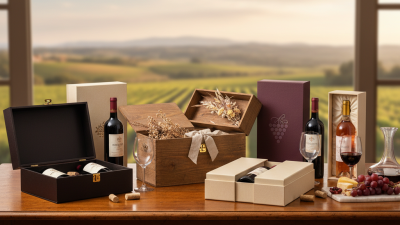
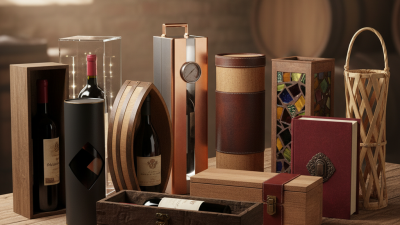
When choosing wine bottle boxes, it's vital to understand the types available worldwide. Each type of box serves a specific purpose and fits various preferences. First, wooden boxes are popular for their sturdy design. They offer excellent protection during transport. Often, they come with a handle, adding convenience.
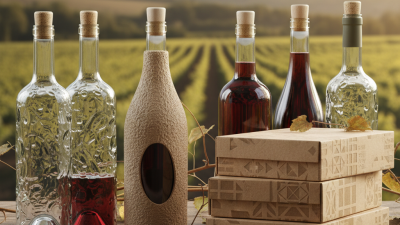
Cardboard wine boxes are another common option. These are lightweight and more cost-effective. They are easy to stack and store. Many people appreciate their eco-friendly nature. However, they may lack the durability of wooden cases. There is a growing trend toward using recyclable materials in wine packaging.
Luxury wine boxes deserve mention too. These offer elegance and are often made from premium materials. They can be adorned with intricate designs, enhancing the overall presentation. However, luxury boxes may be too extravagant for everyday use. The balance between functionality and aesthetics is something to consider when choosing a wine box.
Top Features to Look for in Wine Bottle Packaging
When selecting wine bottle packaging, certain features are pivotal. A recent industry report indicated that 70% of consumers prioritize sustainability in their purchasing decisions. Eco-friendly materials not only appeal to conscious buyers but also enhance brand image. Packaging that can be recycled or composted significantly reduces waste. A compelling design captures attention, but it should not compromise on environmental principles.
Durability is another essential factor. Wine bottles require robust protection during shipping and storage. Research shows that nearly 40% of wine damage occurs due to inadequate packaging. Therefore, companies must invest in sturdy boxes that prevent breakage. Additionally, having cushioning materials inside the boxes can safeguard bottles against shocks.
Moreover, customizable packaging options are gaining popularity. Buyers often appreciate unique designs that enhance the unboxing experience. A striking look can differentiate a product in a crowded market. However, customization can lead to increased costs. Brands must weigh the benefits against the potential for higher prices. As the market evolves, balancing sustainability, durability, and appeal remains a challenge for producers.
Top 10 Wine Bottle Boxes: Key Features Distribution
Sustainability in Wine Bottle Box Options
When considering wine bottle boxes, sustainability is a key factor. Consumers today are more conscious of their environmental footprint. Opting for eco-friendly materials can significantly reduce waste. Many wine bottle boxes use recycled cardboard, promoting a circular economy. This approach benefits the planet and enhances brand reputation.
Tips for selecting sustainable wine boxes include looking for FSC-certified materials. These guarantee responsible sourcing. Additionally, consider biodegradable options. They offer a perfect blend of functionality and eco-friendliness. Explore local suppliers to minimize carbon emissions during transport.
Not every option will meet strict sustainability criteria. Some may still rely on plastic components, which can be problematic. Always examine the manufacturing process. Transparency is essential. Engage with sellers to understand their sustainability practices. Making informed choices can lead to better results in your wine packaging journey.
Market Trends in Wine Bottle Packaging for Global Buyers
The wine bottle packaging market is evolving rapidly. Buyers face a landscape where sustainability and minimalism are key. Many consumers now prefer eco-friendly materials. This shift informs global production trends. As a result, traditional materials are being replaced or innovated upon. The demand for recyclable and biodegradable packaging is growing significantly.
Tips: Explore local suppliers that offer sustainable options. This can reduce transportation costs and carbon footprint.
Design also plays a crucial role. Many buyers seek aesthetically pleasing boxes that enhance brand identity. Unique shapes and vibrant colors can catch the eye. However, the challenge lies in balancing beauty with practicality. Boxes must protect the product while also being cost-effective.
Tips: Test the packaging with your product. Ensure it provides adequate protection during transport.
Innovation continues to shape wine packaging. New technologies create interactive features, like QR codes for consumer engagement. However, evaluating the cost versus benefit is essential. Not all advancements suit every market segment.
Tips: Stay informed on emerging trends. Regularly assess whether they align with your brand's vision.
Top 10 Wine Bottle Boxes for Global Buyers to Consider
| Rank |
Box Type |
Material |
Size (L x W x H, cm) |
Sustainability |
Price Range (USD) |
| 1 |
Single Bottle Box |
Cardboard |
10 x 10 x 35 |
Recyclable |
2 - 5 |
| 2 |
Wine Carrier |
Fabric |
15 x 20 x 40 |
Eco-friendly |
10 - 15 |
| 3 |
Gift Set Box |
Wood |
30 x 15 x 10 |
Renewable |
25 - 40 |
| 4 |
Recycled Paper Box |
Recycled Paper |
12 x 12 x 36 |
100% Recyclable |
3 - 8 |
| 5 |
Luxury Presentation Box |
Leather |
25 x 25 x 35 |
Sustainable |
50 - 100 |
| 6 |
Wine Tote |
Jute |
25 x 15 x 32 |
Biodegradable |
12 - 20 |
| 7 |
Stackable Box |
Cardboard |
40 x 30 x 15 |
Recyclable |
15 - 25 |
| 8 |
Customized Gift Box |
Mixed Material |
Varies |
Tailored Options |
Varies |
| 9 |
Mini Wine Boxes |
Cardboard |
10 x 10 x 15 |
Recyclable |
1 - 3 |
| 10 |
Insulated Wine Box |
Thermal Material |
30 x 25 x 40 |
Reusable |
30 - 50 |