Top 10 Wine Bottle Shipping Box Solutions for Global Buyers?
When shipping wine, selecting the right wine bottle shipping box is critical. Many global buyers face challenges with packaging that ensures safety and quality. A well-designed shipping box protects wine bottles from breakage during transit. It also helps maintain the ideal temperature, crucial for wine preservation.
Choosing the right solution can be daunting. With so many options, the risk of selecting subpar packaging is real. An inadequate box may lead to damaged products and financial loss. This issue raises questions about reliability and trust in suppliers.
Understanding the various materials and designs of wine bottle shipping boxes can empower buyers. Knowledge of features, like insulation and cushioning, enables informed decisions. As we explore the top ten solutions, it’s essential to consider both functionality and cost. A reliable shipping box is not just a container; it's a safeguard for quality wine.
Essential Features of Wine Bottle Shipping Boxes
When considering shipping wine bottles, the right box solution can make a significant difference. Key features should include durability. Wine bottles are fragile and can easily break during transit. A strong, reinforced box protects against impacts. This reduces the risk of costly damages.
Another essential aspect is insulation. Temperature fluctuations can ruin wine quality. Insulated shipping boxes help maintain a stable environment. Additionally, adjustable dividers are crucial. These prevent bottles from moving and colliding with one another. They also provide flexibility for different bottle shapes and sizes.
Customization options matter too. Buyers appreciate unique packaging that reflects their brand identity. However, it’s important to balance aesthetics with functionality. Some designs may look attractive but fail to protect the wine adequately. A well-rounded solution meets both practical needs and brand goals, demonstrating expertise in the wine shipping industry.
Top 10 Essential Features of Wine Bottle Shipping Boxes
This chart illustrates the ratings of essential features for wine bottle shipping boxes, indicating the importance of various aspects such as eco-friendliness, durability, and protection capabilities. Buyers can utilize this information to make informed decisions when selecting suitable shipping solutions.
Types of Materials Used in Wine Shipping Packaging
When it comes to shipping wine globally, the choice of packaging material is crucial. Most wine shipping boxes are made from cardboard. This material offers lightweight protection and is also cost-effective. Cardboard boxes can be reinforced to withstand long-distance journeys. However, thin cardboard may not always provide adequate cushioning.
Another option is polystyrene foam. This material is superior when it comes to insulation. It keeps wine at the right temperature during transit. But foam packaging can be less environmentally friendly compared to cardboard. Many companies are beginning to rethink their reliance on such materials.
Additionally, there are eco-friendly alternatives like biodegradable materials. These can minimize environmental impact while providing protection. However, these solutions may not be as widely available. Buyers often face challenges in balancing sustainability and protection. Choosing the right material for shipping bottles is an ongoing concern. Not all options provide a perfect solution, prompting reflection on packaging choices.
Top 10 Wine Bottle Shipping Box Solutions for Global Buyers
| Shipping Solution |
Material Type |
Weight (kg) |
Eco-Friendly |
Cost ($) |
| Basic Cardboard Box |
Cardboard |
1.0 |
Yes |
10 |
| Bubble Wrap Box |
Plastic & Cardboard |
1.5 |
No |
15 |
| Wooden Crate |
Wood |
3.0 |
Yes |
50 |
| Plastic Wine Carrier |
Plastic |
1.2 |
No |
20 |
| Padded Box |
Cardboard & Foam |
1.8 |
Yes |
12 |
| Insulated Shipping Box |
Foam & Cardboard |
2.5 |
No |
30 |
| Stylish Gift Box |
Cardboard |
1.0 |
Yes |
25 |
| Multi-Pack Box |
Cardboard |
2.2 |
Yes |
18 |
| Custom Printed Box |
Cardboard |
1.5 |
Yes |
22 |
| Protective Tube |
Cardboard |
0.8 |
Yes |
14 |
Top Brands Providing Wine Shipping Solutions
When shipping wine globally, choosing the right box is crucial. Many buyers overlook the importance of packaging. It protects the product and ensures safe delivery. According to industry reports, over 150 million cases of wine are shipped each year. An effective shipping solution reduces the risk of breakage and spoilage.
Several reputable brands provide excellent wine shipping solutions. These companies focus on materials that absorb shock and prevent thermal fluctuations. They often utilize double-walled cardboard or insulated containers. Such choices reduce the impact of temperature changes during transit. Reports show that packaging failures account for about 30% of wine loss during shipping.
Tips: Always choose a shipping box specifically designed for wine. Check for positive reviews and expert recommendations. Insulation is key if shipping during temperature fluctuations. Some solutions even offer eco-friendly packaging options, which are essential for sustainability.
Each shipment is an opportunity to improve your choices. Analyze feedback and adjust as needed. Remember, the appearance of the packaging also influences customer satisfaction. Investing in quality shipping solutions reflects your brand’s commitment to excellence.
Comparative Analysis of Shipping Costs and Efficiency
When it comes to shipping wine bottles globally, efficiency and cost are pivotal. According to a report from the International Wine and Spirits Record, shipping costs can account for up to 30% of a wine's total price when exported. This reality could influence how buyers select packaging solutions. Innovative companies are now exploring ways to enhance the shipping box design to reduce these costs effectively.
One prominent issue is the protective features of shipping boxes. A report by the Wine Institute highlighted that inadequate packaging led to a 10% damage rate during transportation. That means many bottles arrive broken or compromised. Investing in high-quality, custom-designed boxes may raise upfront costs but could save money over time by reducing losses. Moreover, efficiency also hinges on weight; lightweight materials can lower freight costs but must still provide sufficient protection.
Understanding regional variations in freight costs is crucial. Some areas have fluctuating tariffs that can surprise buyers. Recognizing these variables empowers global buyers to make informed decisions. Engaging logistics experts can further enhance shipping strategies. Their insights help navigate complexities like custom regulations and insurance, allowing for optimized logistics.
Best Practices for Packing Wine Bottles for Shipping
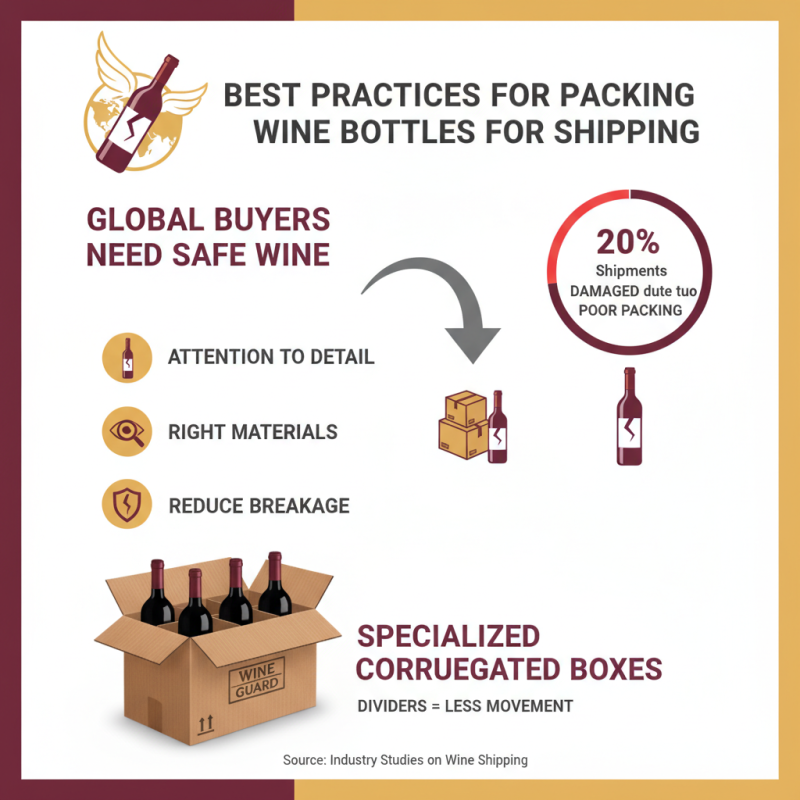
Shipping wine safely is crucial for global buyers. Studies show that around 20% of wine shipments are damaged due to poor packing methods. Effective wine bottle packing requires attention to detail and the right materials. Using specialized wine shipping boxes, made of corrugated materials, can significantly reduce breakage. These boxes often include dividers to keep bottles separated, minimizing movement during transit.
The temperature and humidity of wine can also be affected during shipping. Research indicates that extreme conditions can alter wine quality. Choosing insulated boxes with temperature control features is important, especially for international shipments. Proper cushioning materials, such as biodegradable foam or recycled paper, further protect bottles from shocks. Yet, these solutions often overlook proper labeling, which can lead to mishandling.
Inadequate packing can result in costly losses and frustration for both buyers and sellers. Many buyers underestimate the importance of using appropriate box sizes. A box that is too big may allow bottles to shift, increasing the likelihood of breakage. Packaging should be snug but not overly tight. Providing clear instructions for unpacking is also essential, as improper handling could damage the wine before it even reaches the customer. Such oversights highlight the need for ongoing improvement in shipping practices.