How to Use UVLED Flatbed Printing for Your Business Needs?
In the rapidly evolving world of printing, UVLED Flatbed Printing stands out as a game-changer for businesses. According to Jack Thompson, an industry expert with over 20 years of experience, "UVLED Flatbed Printing redefines creative possibilities." This technology allows for vibrant colors and sharp details on a variety of materials, making it ideal for customized products.
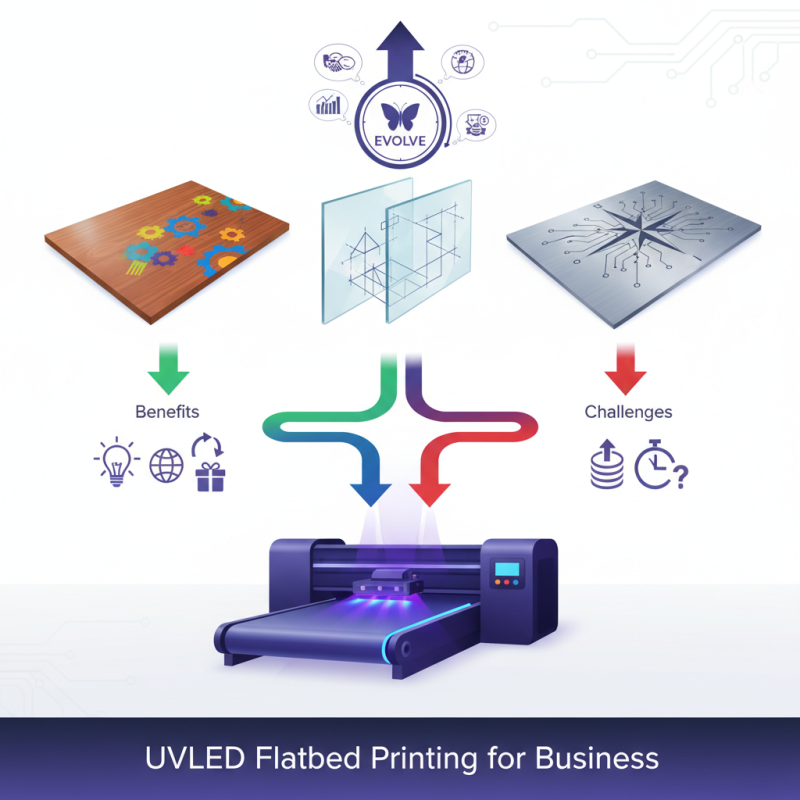
Utilizing UVLED Flatbed Printing can elevate your product offerings. Imagine printing directly on wood, glass, or metal with ease. Businesses can expand into new markets by providing unique items that stand out. However, adopting this technology comes with challenges. Initial costs may deter some, and mastering the equipment takes time.
Despite these hurdles, the benefits of UVLED Flatbed Printing are compelling. The ability to print on diverse surfaces opens up endless opportunities. As you explore the potential of this technology, reflect on how it aligns with your business goals. Are you ready to embrace this innovative approach and transform your offerings?
Understanding UVLED Flatbed Printing Technology
UVLED flatbed printing technology is revolutionizing the way businesses approach printing. This method utilizes ultraviolet light to cure inks as they are printed. The result is vibrant colors and sharp images on various surfaces. Materials like wood, metal, glass, and plastic can all be printed on, expanding creative possibilities for businesses.
One notable feature is the immediacy of the printing process. Once printed, products can be handled without excessive drying time. However, it’s crucial to understand the machine's settings and ink compatibility. Experimentation is often necessary to achieve desired results. Each substrate behaves differently with UVLED inks. Businesses may face challenges when adjusting these settings.
The ability to print on unconventional surfaces has opened new avenues in product design. Yet, not every application will yield perfect results right away. Mistakes can happen, such as ink not adhering properly or colors appearing muted. Learning from these errors is essential for growth. The technology holds great promise, but it requires patience and practice to harness its full potential.
Benefits of UVLED Flatbed Printing for Businesses
UVLED flatbed printing offers numerous benefits for businesses. This technology stands out for its versatility, allowing for printing on various surfaces, including wood, glass, and metal. Reports indicate that the UV printing market is expected to grow significantly, with an estimated CAGR of 7.9% by 2025. This growth reflects the increasing demand for high-quality and durable prints in various industries.
One notable advantage of UVLED printing is its eco-friendliness. Unlike traditional inks, UV inks do not emit volatile organic compounds (VOCs). This makes them a safer choice for both workers and clients. Additionally, the immediate curing process minimizes waste and boosts production speed. Businesses can fulfill customer demands more swiftly, improving overall satisfaction.
Tip: Always test materials before full production to avoid unwanted surprises.
Another key benefit is cost-effectiveness. UVLED flatbed printing reduces the need for multiple printing processes. It allows businesses to create intricate designs without compromising quality. However, some initial investments may be daunting. Companies must assess their long-term needs before committing to this technology.
Tip: Monitor job efficiency closely to determine ROI accurately.
In conclusion, while UVLED flatbed printing has clear advantages, businesses must weigh the requirements against potential challenges. Exploring case studies and industry reports can provide deeper insights into how this technology can improve operations.
Step-by-Step Guide to Choosing the Right UVLED Printer
Choosing the right UVLED printer is crucial for your business. It can affect the quality and efficiency of your printing projects. Start by considering the materials you will print on. Some printers handle various substrates better than others. You might need a machine that works well with wood, glass, or fabrics. Knowing your target materials will narrow down your options.
Think about print size and speed. Larger prints require a different setup than smaller ones. If your business demands fast turnaround, opt for a printer with higher speed. Look into the resolution as well. Higher resolution means sharper images, but it might slow down production rates. Balancing these factors is key.
Test prints are essential in this decision-making process. Don’t rely solely on specifications. Use samples to evaluate quality. Consider your budget too. Sometimes, cheaper models may skimp on essential features, leading to subpar output. Reflect on past printing experiences. What worked? What didn’t? This reflection can guide your choice effectively.
How to Use UVLED Flatbed Printing for Your Business Needs?
| Feature | Description | Consideration |
| Print Size | Maximum print area varies; typical sizes are A2, A3, and custom dimensions. | Choose based on the products you are planning to print on. |
| Ink Type | UV curable inks provide durability and vivid colors. | Ensure compatibility with your materials to avoid issues. |
| Material Compatibility | Can print on various materials like wood, glass, metal, and plastic. | Verify if the printer can handle the specific materials you want to use. |
| Print Quality | Resolution typically ranges from 720 to 1440 dpi. | Higher dpi is better for detailed designs. |
| Speed | Printing speed is usually measured in square feet per hour. | Choose based on your expected production volume. |
| Software Compatibility | Supports various design software like Adobe Illustrator and CorelDRAW. | Ensure it integrates well with your existing design setup. |
| Cost | Initial investment may vary based on brand and features. | Consider long-term operating costs and ROI. |
Applications of UVLED Printing Across Various Industries
UVLED printing has gained traction across many industries due to its versatility and efficiency. In the signage industry, it produces vibrant prints on various materials, including vinyl and fabric. Events and exhibitions benefit from custom displays and promotional items printed with UVLED technology. In the packaging sector, brands are turning to this method for eye-catching designs that stand out on the shelves.
In the décor industry, UVLED printing enables personalized wall art and home furnishings. The technology allows for intricate designs that remain bold over time. However, some users find the initial setup challenging. Understanding the equipment's capabilities can help mitigate this issue.
Tips: Always test print samples before large runs. This ensures colors match your design specifications. Regularly maintain your printer to avoid unexpected breakdowns. Research your substrate options as different materials yield varying results. Be prepared to iterate on your designs. It’s part of the learning process—each print run teaches you something new.
Tips for Optimizing Your UVLED Printing Workflow
UVLED flatbed printing can significantly enhance your business's capabilities. To fully realize its benefits, optimizing your workflow is crucial. Start by evaluating your current processes. Identify bottlenecks that slow down production. Are your file preparations efficient? Ensuring artwork is properly set up beforehand saves time in printing. Use software tools that streamline file management.
Next, focus on equipment maintenance. Regular checks on your UVLED printer can prevent unexpected downtime. Ensure that heads and nozzles are clean. This simple step can improve print quality and reduce wastage. While it's easy to overlook, monitoring ink levels helps avoid abrupt pauses in your workflow.
Lastly, train your team effectively. Everyone should understand the UVLED printing process. Miscommunication can lead to costly mistakes. Encourage feedback from your staff too. They might have insights into improvements you hadn’t considered. Reflecting on these areas can reveal opportunities to refine your approach and enhance productivity.
