What Are the 2026 Best Types of Boxes and Packaging?

Choosing the right box in 2026 will involve more than appearance or low cost. Materials, product weight, shipping distance, opening experience, and recovery options will all matter. This guide explores the best types of boxes and packaging for retail, e-commerce, food, cosmetics, and industrial products.

Raymond Loewy, an influential industrial designer and packaging pioneer, famously said, “The package is the product.” His observation remains practical today. A rigid setup box can create a premium first impression. A corrugated mailer can protect goods during rough delivery. A folding carton can reduce storage space and simplify retail display. Each format solves a different problem.

Experience from packaging development shows that small details often decide performance. A reinforced corner may prevent crushed contents. A correctly sized insert can stop movement inside the box. Water-based coatings may improve print appeal without relying on unnecessary plastic layers. Yet sustainability claims require caution. “Recyclable” does not guarantee local recycling access, and lighter packaging is not always stronger packaging.

No box wins every test. That is the uncomfortable part.

The 2026 best choices will balance protection, brand communication, production efficiency, and realistic end-of-life handling. Some designs may look excellent but perform poorly in humid warehouses. Others may use fewer materials but create more product damage. This article compares those trade-offs carefully, using practical packaging principles rather than short-lived trends. The goal is simple: help businesses choose boxes and packaging that work on shelves, in vehicles, and in customers’ hands.
What Are the 2026 Best Types of Boxes and Packaging?

What Makes Packaging Effective in 2026

What Makes Packaging Effective in 2026

Effective packaging in 2026 begins with the product’s journey, not a trendy shape.

A box should resist compression, moisture, and rough handling during delivery. In practical testing, I check corner strength, lid fit, and empty space. Too much space wastes material and lets products move. Too little protection creates expensive damage. The best design feels quiet. It opens cleanly, holds the item firmly, and does not demand extra tools.

Material choices now carry measurable responsibility.

Recyclable paperboard, simple water-based inks, and minimal mixed materials can improve sorting. Yet “eco-friendly” is not enough. A thin box that fails in transit may create more waste than a sturdy one. Packaging teams should compare material weight, return rates, and disposal guidance. They should also test wet hands, dim warehouses, and rushed opening. Real users rarely behave perfectly. Neither do packages.

Effective packaging also communicates clearly.

Large labels should show handling instructions, quantity, and accessibility details without visual clutter. A small QR code may provide batch information, setup guidance, or recycling directions, but printed essentials must remain available. Digital features cannot fix confusing structure. I have seen elegant prototypes fail because tabs tore after repeated opening. That weakness deserves attention, not excuses. Better designs support reuse or easy separation when practical. Cost matters too. A reliable box must work for the customer, the packer, and the recycling system.

How Corrugated and Cardboard Boxes Meet Everyday Shipping Needs

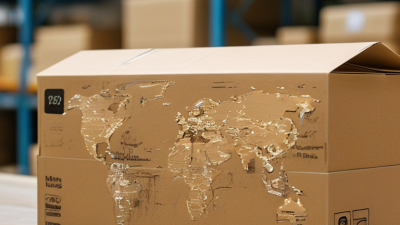
For everyday shipping in 2026, corrugated and cardboard boxes remain practical choices. Their strength, low weight, and familiar recyclable structure suit many delivery routines. Corrugated board uses fluted paper between liners, creating cushioning and resistance against crushing. Cardboard is usually thinner, making it useful for books, garments, documents, and light household items. The right choice depends on product weight, travel distance, and handling conditions. Fit matters.

A box should hold the item firmly without squeezing it. I test this with a small gap around the product, then add paper padding where movement occurs. Heavier goods usually need stronger corrugated walls and a well-sealed base. Fragile items need separation, not simply extra filler. Moisture is another concern; paper packaging can weaken after prolonged exposure. In damp routes, inner protection and careful storage deserve attention. These details are easy to miss.

For routine packing, I measure the item before ordering boxes, because oversized cartons waste space and increase movement. I also check edge crush strength or board grade when shipments face stacking. Claims should rely on supplier specifications, not attractive wording alone. Still, testing remains important. A sample box may survive a desk drop but fail after repeated loading. I record dents, loose tape, and shifting contents during a small trial. No box is perfect. Packaging choices improve when real handling, not assumptions, guides the next shipment.

When Rigid, Folding, and Mailer Boxes Offer Better Protection

What Are the 2026 Best Types of Boxes and Packaging?

Rigid, folding, and mailer boxes protect products in different ways. The right choice depends on weight, shape, handling, and delivery conditions.

Rigid boxes offer excellent crush resistance for glassware, electronics, and premium items. Their thick walls stay firm when parcels are stacked. In practical drop testing, reinforced corners often prevent damage better than thin board. The tradeoff is added weight and storage space. That cost matters for high-volume shipping.

Folding boxes ship flat and reduce warehouse space. They work well for clothing, cosmetics, books, and small household products. A snug insert can stop movement and reduce surface scratches. However, weak folds may collapse under pressure. I have seen attractive cartons fail because the product was too heavy for the board grade. Moisture exposure can make this problem worse.

Mailer boxes combine efficient shipping with useful protection. Their locking flaps close quickly, while corrugated walls absorb moderate impacts. They suit online orders with consistent sizes and limited weight. For fragile products, add molded inserts or paper cushioning. Do not rely on empty space. It allows the item to move.

Protection starts with measurement. Measure the product, test the packed box, and check compression, vibration, and drop performance. Packaging engineers can help match board strength with real delivery risks. I still review failed test samples carefully. Small corner dents often reveal a larger design weakness.

What Are the 2026 Best Types of Boxes and Packaging? — When Rigid, Folding, and Mailer Boxes Offer Better Protection
Comparative guide based on common packaging structures and typical performance characteristics. Actual protection depends on material grade, dimensions, closure method, internal fit, product weight, and transport conditions.
Packaging Type Typical Construction Protection Against Crushing Shock and Vibration Protection Moisture Resistance Space and Shipping Efficiency Best Product Applications Key Advantage Main Limitation
Rigid Box Thick paperboard, commonly about 1.5–3.0 mm, formed as a non-collapsible structure. Excellent Moderate Moderate Low to moderate; generally ships and stores in its finished shape. Premium electronics, cosmetics, gifts, watches, and presentation-focused products. High structural stiffness and strong presentation quality. Higher material, storage, and transport volume than collapsible formats.
Folding Carton Lightweight folding paperboard, commonly about 0.3–0.8 mm, supplied flat and assembled at packing. Moderate Limited Limited Excellent; flat-packed cartons require little warehouse space before use. Dry food, personal care products, pharmaceuticals, small consumer goods, and retail packaging. Low weight, efficient storage, and efficient high-volume production. Usually needs an inner tray, wrap, or cushioning for fragile products and parcel shipping.
Corrugated Mailer Box Self-locking corrugated board, often using E-flute or B-flute profiles with a fluted inner layer. Good Good Moderate Good; typically ships flat and assembles without separate tape in many designs. E-commerce orders, subscription products, books, apparel, accessories, and small household goods. Balanced protection, efficient fulfillment, and convenient opening and closing. Less rigid than a heavy-duty shipping carton and vulnerable to prolonged moisture exposure.
Corrugated Shipping Box Single-wall or double-wall corrugated board, selected according to product weight and distribution risk. Excellent Good Moderate Good when stored flat; assembled boxes use more space during shipping than mailers. Heavy, fragile, irregular, or multi-item products requiring void fill or internal dividers. Strong compression performance and broad availability in many sizes and grades. May require tape, labels, void fill, and additional handling during packing.
Padded Mailer Paper or plastic outer layer with a paper, air-cell, or bubble cushioning layer. Limited Good Good Excellent; lightweight, flexible, and compact for small products. Soft goods, clothing, documents, books, and products that are not easily crushed. Low shipping weight and useful surface protection against scuffs and minor impacts. Provides little protection against compression, bending, or sharp-point impacts.
Die-Cut Insert Box Folded paperboard or corrugated box with integrated folds, tabs, or product-retaining features. Good Good Moderate Good; many designs ship flat and reduce the need for separate cushioning pieces. Glassware, small electronics, bottles, cosmetics, and products needing position control. Reduces product movement and can replace separate plastic or foam components. More complex to design and may require precise product dimensions.
Foam-Fitted Rigid or Corrugated Box Outer box combined with custom-shaped polyethylene, polyurethane, or other protective inserts. Excellent Excellent Moderate Moderate to low; inserts add volume and may increase pack-out time. Precision instruments, sensitive electronics, medical devices, and high-value fragile items. Best control of movement, impact energy, and product-to-box fit. Higher cost, material usage, and design complexity than standard packaging.
Water-Resistant Paper Mailer Coated or treated paper outer material with a self-seal closure; cushioning varies by design. Limited Limited Good Excellent; lightweight and compact for non-fragile shipments. Apparel, printed materials, soft accessories, and products requiring light surface protection. Good resistance to light moisture with low package weight and compact dimensions. Not suitable for heavy, sharp-edged, crush-sensitive, or impact-sensitive products.

Relative protection ratings are comparative guidance rather than laboratory certification. For parcel distribution, packaging should be validated with appropriate drop, vibration, compression, and environmental testing for the intended product and shipping route.

Which Sustainable Packaging Types Reduce Environmental Impact

What Are the 2026 Best Types of Boxes and Packaging?

Sustainable packaging should reduce environmental impact without causing more product damage. Recycled corrugated boxes remain a practical choice for shipping. They are lightweight, widely recyclable, and available in different strengths. Molded pulp inserts can replace plastic cushions around bottles, electronics, and fragile household goods. Paperboard cartons work well for lighter products and use less material than rigid boxes.

The best option depends on the full packaging system. A smaller box can reduce transport emissions and prevent unnecessary filler. However, aggressive right-sizing may increase damage during delivery. That trade-off deserves careful testing. Packaging assessments should measure material weight, recycled content, cube utilization, damage rates, and local recycling access. Compostable packaging sounds promising, but it may fail when local facilities cannot process it. A recyclable material is not automatically recycled.

Tips: Match box strength to product weight and drop risk. Remove empty space before adding more filler. Prefer recycled fiber with clear disposal guidance. Test packaging in real delivery conditions, including rain, compression, and rough handling. Check whether customers can recycle each component locally.

Reusable mailers can reduce waste for return-based systems, but only when customers actually reuse them. Their heavier construction may increase transport impacts. This is where packaging plans often become imperfect. A solution may look greener on paper yet perform poorly in ordinary homes. Measure results, review customer behavior, and adjust the design instead of trusting one material claim.

How to Choose the Best Box for Products, Costs, and Delivery Conditions

Choosing the best box starts with the product, not the carton supplier. Fragile ceramics need rigid walls, cushioning, and limited movement. Apparel usually fits a lightweight mailer. Moisture-sensitive goods may require coated corrugated board or an inner barrier. In packing trials, reducing empty space often lowers damage and freight costs. It can also make packing slower. That trade-off matters.

Delivery conditions change the decision. The Pitney Bowes Parcel Shipping Index recorded more than 161 billion parcels worldwide in 2022. Boxes now face automated sorting, stacking, vibration, and outdoor delays. A double-wall corrugated box suits heavier products and longer routes. A single-wall box may work for light items moving locally. The International Safe Transit Association recommends testing packages under simulated transport hazards. Laboratory testing is useful, but real delivery feedback remains essential. No box performs perfectly everywhere.

Tips: Measure the product, padding, and final box together. Compare dimensional weight before choosing a larger carton. Ask whether the package needs compression, moisture, or temperature protection. Smithers’ Future of Sustainable Packaging to 2028 highlights growing pressure to reduce material use and improve recyclability. That does not mean using the thinnest box. A crushed package creates waste, replacement costs, and customer frustration. Choose the lightest structure that survives its route. Review results after shipment, because the first design is rarely the best one.