Choosing the best printed boxes in 2026 will require more than attractive artwork or a low unit price. Global buyers must compare print quality, board strength, recycled content, dimensions, shipping efficiency, and supplier reliability.
Smithers’ The Future of Global Packaging to 2029 estimates that worldwide packaging sales will exceed US$1.2 trillion by 2028. That growth creates opportunity, but also pressure. The European Commission reported 186.5 kilograms of packaging waste per person in the European Union during 2022. The number is difficult to ignore. A glossy box may impress customers, yet poor sizing can increase empty space, freight emissions, and material use.
Lars Wallentin, former head of packaging design at Nestlé, described packaging as “a product’s most important advertising medium.” His point remains useful for printed boxes: the package must protect the product and communicate value within seconds. A sharp logo, accurate colour control, and practical opening experience can influence repeat purchases. Still, design alone is not enough. A box that arrives crushed has failed, even if its print looked perfect at the factory.
This guide examines box styles, printing methods, materials, certifications, and supplier checks for international purchasing teams. It also considers trade-offs that marketing pages often hide, including minimum order quantities, sampling delays, moisture resistance, and inconsistent colour between batches. No single box fits every market. The best choice depends on the product, destination, budget, and the buyer’s environmental expectations. Mistakes are possible. Careful testing makes them less expensive.
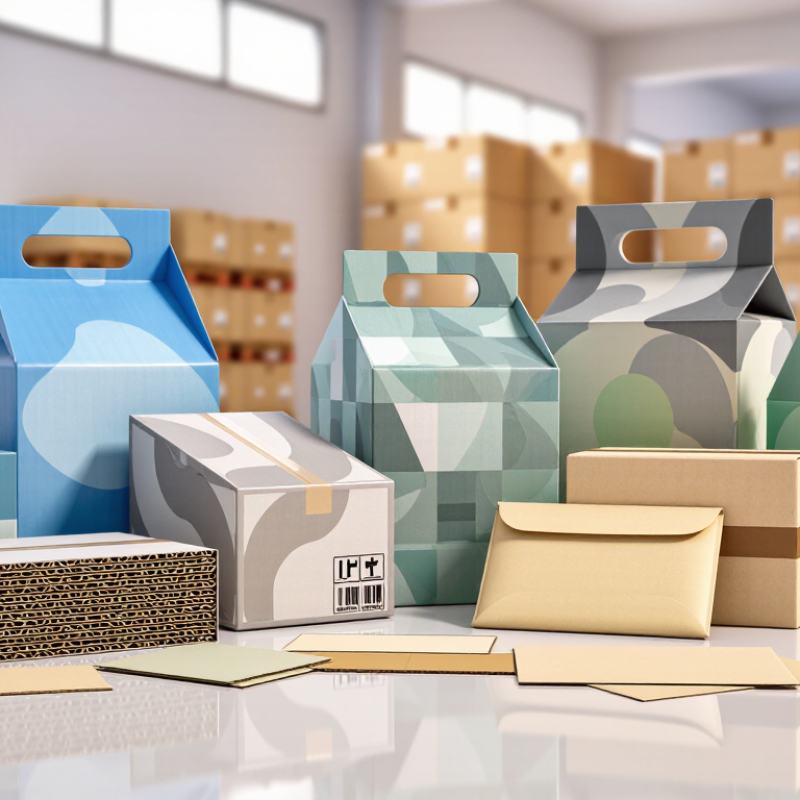
Printed boxes are folding or rigid packages covered with text, images, colors, and structural details. They protect products while communicating essential information at the point of purchase. In 2026, buyers expect more than attractive graphics. They look for accurate dimensions, durable materials, recyclable options, and traceable production data.
From packaging projects I have reviewed, print quality often affects customer trust immediately. Sharp barcodes scan more reliably. Strong board prevents crushed corners during long-distance shipping. Clear opening instructions also reduce frustration. Small details count. A printed box can show material guidance, batch references, handling notes, and accessible product information. These details support retailers, logistics teams, and end users.
However, printed packaging is not automatically sustainable or effective. Excessive coatings may complicate recycling. Dark colors can hide weak printing or make inspection difficult. I have also seen attractive samples fail after humidity testing. That mistake is easy to repeat. Reliable buyers should request prototypes, color proofs, compression tests, and material certificates before placing large orders. Printing should match the box structure, product weight, transport conditions, and intended market. In 2026, the best printed boxes balance visual appeal with measurable performance, responsible material choices, and honest information. Performance first. Design still matters.
| Printed Box Type | Primary Material | Best-Suited Applications | Common Printing Options | Protection Level | Space and Shipping Efficiency | Recycling Considerations | Important 2026 Buyer Criteria |
|---|---|---|---|---|---|---|---|
| Printed Corrugated Shipping Box | Single-wall or double-wall corrugated fiberboard made from paper liners and fluting | E-commerce shipments, consumer goods, electronics, household products and export cartons | Flexographic, digital or lithographic-laminated printing; usually one to several colors | Good cushioning, stacking strength and resistance to compression |
Ships flat and provides a strong protection-to-weight ratio; board grade should match product weight and transport conditions | Generally recyclable through paper and cardboard collection when clean and free from unsuitable coatings or heavy contamination | Board strength, edge-crush rating, moisture exposure, print durability, flat-pack dimensions and compliance with destination recycling systems |
| Printed Folding Carton | Folding boxboard, solid bleached board or recycled paperboard | Cosmetics, food packaging, pharmaceuticals, small consumer products and retail shelf packaging | Offset, digital or flexographic printing with optional embossing, foil effects, varnish and die-cut features | Suitable for products that do not require heavy shipping protection |
Lightweight and highly space-efficient when shipped flat; efficient for high-volume production | Paperboard is commonly recyclable, but plastic laminates, metallic layers, coatings and food contamination may affect acceptance | Food-contact requirements, ink and coating selection, color consistency, dieline accuracy, folding performance and local recycling rules |
| Printed Rigid Setup Box | Thick paperboard wrapped with printed paper, fabric or another decorative covering | Premium gifts, jewelry, luxury goods, specialty electronics and presentation-focused products | Offset or digital printing with foil stamping, embossing, debossing, spot coating and textured finishes | Rigid walls provide strong presentation and protection against crushing |
Usually shipped assembled or partially assembled, so it uses more storage and transport volume than folding cartons | Recyclability depends on the covering, adhesives, magnets, foam inserts, plastic windows and mixed-material construction | Unboxing experience, material separation, packaging weight, insert recyclability, finish durability and total landed cost |
| Printed Paperboard Mailer Box | Lightweight corrugated board or reinforced paperboard with an integrated folding closure | Subscription products, apparel, books, accessories, personal-care products and direct-to-consumer shipments | Digital, flexographic or offset printing; interior and exterior graphics are both possible | Offers better protection than a paper envelope while remaining lightweight |
Delivered flat and assembled without a separate shipping carton in many applications; efficient for automated fulfillment | Typically recyclable when made primarily from fiber and free from excessive plastic components or non-paper laminates | Self-locking structure, packing speed, dimensional-weight charges, tamper evidence, return usability and print scuff resistance |
| Printed Kraft Paper Box | Unbleached kraft paperboard or kraft corrugated fiberboard | Bakery products, takeaway goods, natural-product packaging, apparel and products requiring a paper-forward appearance | Flexographic, digital or screen-style printing; kraft-colored backgrounds can create a natural visual effect | Strength varies with paper grade, flute structure and box design |
Lightweight and generally ships flat; suitable for reducing material weight when product protection needs are moderate | Usually compatible with paper recycling when clean; grease, food residue, wax and plastic barriers can change disposal options | Grease and moisture resistance, food-contact suitability, recycled content, print contrast on brown board and local collection requirements |
| Printed Corrugated Display Box | Corrugated fiberboard engineered for both transport and retail display | Point-of-sale displays, promotional packs, seasonal products and high-visibility retail presentations | Flexographic or lithographic-laminated printing with die-cut graphics and structural display elements | Designed to protect products during distribution and present them after opening |
Can reduce secondary display materials, but large display structures may require more storage and careful pallet planning | Usually recyclable as corrugated fiberboard if plastic parts, metal components and excessive coatings are limited | Retail setup time, pallet stability, load-bearing performance, graphics consistency, structural testing and end-of-life simplicity |
| Printed Window Box | Paperboard or corrugated board combined with a transparent plastic or cellulose-based window | Food, toys, gifts, apparel accessories and products where visibility supports purchase decisions | Offset, digital or flexographic printing with die-cut windows and optional protective coatings | Protection depends on board thickness and the size and placement of the window |
Usually ships flat and can provide product visibility without fully opening the package | Fiber recycling is easier when the window is removed; integrated plastic and paper combinations may require separation or special handling | Window material, food-contact compliance, condensation resistance, recyclability labeling and protection against scratches or tearing |
| Printed Food Takeaway Box | Paperboard, kraft board or corrugated paperboard with a grease or moisture barrier | Prepared meals, bakery items, snacks, takeaway foods and delivery-focused foodservice packaging | Flexographic or digital printing using inks and coatings selected for food-packaging applications | Designed for short-term protection against handling, heat, grease and moisture |
Lightweight, stackable and often delivered flat; structural design must support hot or moist contents | Clean fiber may be recyclable, but food residue, grease, plastic lining and compostable materials follow different disposal pathways | Food-contact safety, temperature range, leak resistance, ventilation, local composting or recycling infrastructure and ink migration controls |