Bottle boxes are purpose-designed packages that hold, present, or protect bottled products. They range from simple folding cartons to sturdy shipping boxes with fitted inserts. The right choice depends on the bottle’s shape, weight, material, and journey. A slim glass bottle needs different support from a broad jar or lightweight plastic container. Even small details matter. A loose neck opening or poorly sized divider can let bottles knock together during handling.
Common options include single-bottle gift boxes, multi-bottle cartons, corrugated shipping boxes, and rigid presentation boxes. Some use cardboard partitions; others add molded-pulp or foam inserts to limit movement. For retail shelves, printed cartons can provide space for product details and branding. For delivery, a corrugated outer box and snug internal support may offer more dependable protection. No box is perfect. More layers can add weight and material, while too little cushioning may increase breakage risk. Choosing thoughtfully means checking dimensions, closure fit, ease of packing, and the expected handling conditions—not just appearance. A practical test helps: place the filled box on its side, gently move it, and check for shifting. The result may still need adjustment. This guide explores what bottle boxes are and how their types differ, so readers can compare protection, presentation, and practical use.
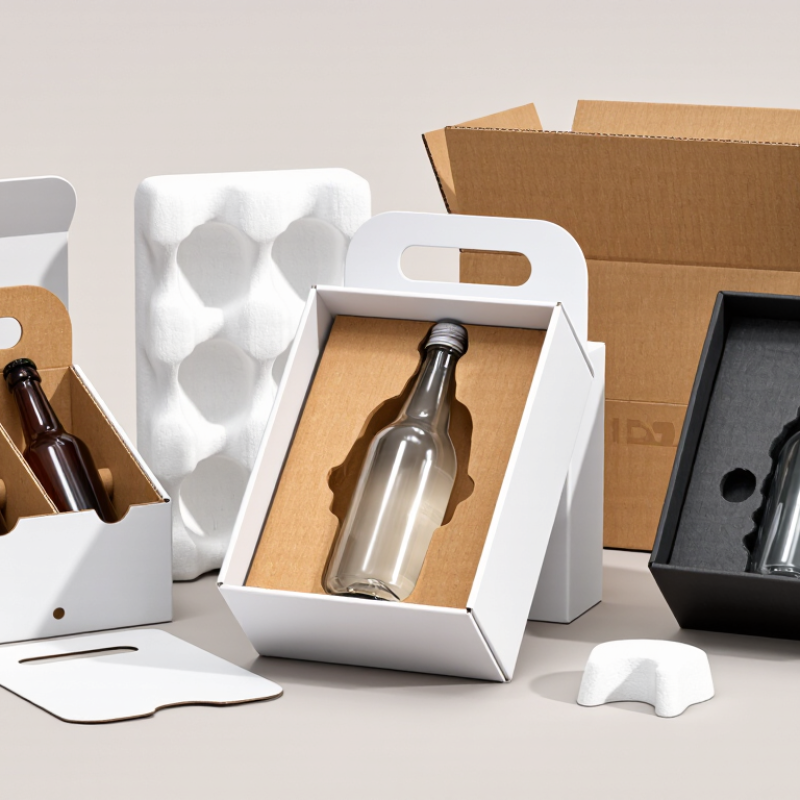
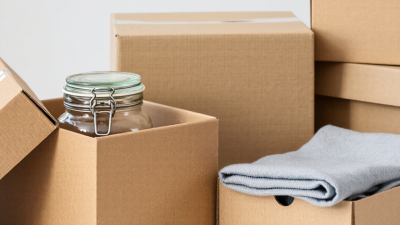
A bottle box is a container designed to hold and protect one or more bottles during storage, handling, or shipping. It may use corrugated board, molded fiber, or rigid paperboard, with dividers or shaped inserts to keep bottles apart.
Its core purpose is practical: limit movement, cushion impacts, and reduce the chance of chips, leaks, or broken closures. A good fit matters. Too much space lets bottles knock together; too little can make packing awkward.
The protection is easy to picture: a glass bottle sitting upright in a fitted cell, with a divider between it and its neighbor. Some designs also support the neck, where a heavy bottle can wobble.
Smithers’ industry report, The Future of Global Packaging to 2028, estimates the global packaging market will reach about $1.2 trillion by 2028. That figure covers packaging broadly, not bottle boxes alone, but it shows why dependable packaging design receives serious attention.
The box can also make bottles easier to count, carry, and identify. Yet appearance should not replace testing. A snug insert may still shift after rough handling, and moisture can weaken paper-based materials. That detail is easy to miss.
Packaging teams can check fit, closure, and cushioning with filled bottles before choosing a design for repeated use.
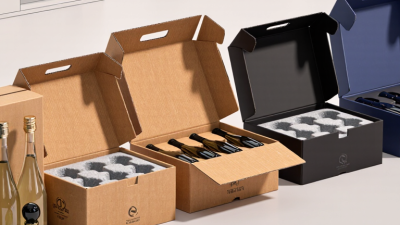
Bottle boxes are built from materials chosen for weight, fragility, and presentation. Corrugated cardboard is common for shipping because its fluted inner layer cushions knocks without adding much weight. Paperboard is smoother and often suits retail cartons, though it usually needs added support for heavier glass. Molded-pulp inserts offer a snug fit and reduce movement. Foam or folded-cardboard dividers can separate several bottles. Each material has limits.
Structure matters as much as the outer material. A single-bottle box may use a close-fitting sleeve, while multi-bottle packaging often includes cells or partitions that keep glass from touching. A reinforced base helps carry the load, and secure top flaps reduce shifting in transit.
For a practical check, place a filled bottle in the insert and gently tilt the box. Notice any movement. Fit matters. Too much empty space invites impact; an insert that is too tight can make packing awkward.
That trade-off is easy to underestimate, and even a well-designed box should be tested with the actual bottle shape and packed weight before regular use.
Bottle boxes protect bottled products by controlling movement, absorbing impacts, and separating containers. A snug fit matters: too much empty space lets bottles collide, while excessive pressure can stress shoulders or caps. Corrugated board provides a lightweight outer shell, and molded pulp or cardboard partitions keep glass bottles apart. For heavier bottles, stronger board and reinforced bases can reduce crushing during stacking. Still, packaging cannot prevent every break.
Protection also depends on the route. A box shipped through parcel networks may face drops, vibration, and compression; a retail carton may need more display-friendly structure than cushioning. Internal cells should hold each bottle upright and leave clearance around fragile necks. Closures need room too. If bottles are damp or chilled, test the box under those conditions, because moisture can weaken some paper materials. A simple shake test helps reveal loose movement, but it is not a substitute for realistic transit testing. Small details matter. Even well-designed inserts can shift if dimensions vary, so check samples from more than one production batch. There is no universal bottle box; bottle shape, fill weight, and shipping conditions should guide the choice.
| Bottle box type | Typical construction | How it protects bottles | Common applications | Considerations |
|---|---|---|---|---|
| Corrugated single-bottle box | A folding carton made from corrugated fiberboard, sometimes with a fitted insert. | Cushions against routine handling impacts and helps prevent scuffs; an insert can limit movement inside the box. | Shipping or presenting one bottle, such as a glass beverage or household-product bottle. | Protection depends on board strength, box fit, and insert design; not automatically leakproof or waterproof. |
| Multi-bottle partitioned carton | A corrugated outer carton fitted with dividers that form separate bottle compartments. | Separates bottles to reduce contact, rattling, and glass-on-glass impact; the outer carton also provides stacking and handling support. | Packing several bottles together for storage, fulfillment, or transport. | Dividers need to match bottle dimensions; the carton should be selected for the load and shipping conditions. |
| Molded-pulp bottle insert or box | A shaped insert made from molded fiber, used alone for presentation or inside an outer carton. | Holds the bottle in a formed cavity and absorbs some shock, helping limit shifting during handling. | Protective presentation packs and shipments where a shaped, fiber-based insert is suitable. | The insert alone may not provide enough protection for parcel shipping; it is often paired with an outer box. |
| Folding paperboard bottle carton | A carton made from folding paperboard, with tuck or glued closures and optional internal supports. | Shields the bottle from light contact, dust, and surface abrasion; fitted supports can help stabilize it. | Retail packaging for lightweight bottles or as a secondary carton around a bottle. | Typically offers less impact and stacking protection than a suitably rated corrugated shipping carton. |
| Rigid presentation box | A non-collapsible box made from thick paperboard, commonly paired with a fitted foam, paperboard, or molded-fiber insert. | Provides a sturdy enclosure and helps keep the bottle in position; the insert can reduce movement and contact. | Gift sets, premium retail presentation, and storage where appearance and structure matter. | A rigid box is not necessarily a tested shipping package; additional outer packaging may be needed for transport. |
| Insulated bottle shipper | An outer shipping box combined with insulating material and, when needed, a coolant pack. | Slows temperature change during transit; a separate fitted insert can help protect the bottle from movement and impact. | Temperature-sensitive bottled products shipped under specified conditions. | Insulation does not guarantee a set temperature; performance depends on pack-out, transit time, ambient conditions, and validation. |
Protection depends on the bottle’s shape and material, the box’s fit and construction, and the handling and shipping environment. For fragile bottles, use suitable internal cushioning and an appropriately strong outer package.
Bottle boxes are commonly specified by bottle count, not just outer dimensions. Single-bottle cartons suit retail gifting, while two- and three-bottle boxes often use dividers to prevent glass-on-glass contact. Six- and twelve-bottle cases are typical for bulk handling and storage. The fit matters: too much empty space lets bottles shift; overly tight cells make packing slow. Not always obvious.
Design follows the journey. A straight-sided carton is simple to stack, while a partitioned case separates each bottle. A die-cut insert can cradle shoulders and bases, and a molded-fiber insert adds cushioning without loose plastic wrap. For parcel delivery, a stronger outer box and snug internal supports help limit movement. Test the packed box, not the empty one; bottle shape and weight change how it performs.
Material choice also affects practical decisions. The U.S. EPA’s 2018 materials report recorded 33.3 million tons of paper and paperboard containers and packaging, with 80.9% recycled. FEFCO reported 51.1 billion square metres of European corrugated-board production in 2022, showing how widely used this format is. These figures cover broad packaging categories, not bottle boxes alone. A light carton may be adequate for shelf display, but shipping often calls for stronger board and better internal restraint. Test samples with actual bottles, because a neat design on screen can still be awkward on a packing line.
Choosing a bottle box starts with its job. For shipping, measure the bottle’s height and widest point, then allow room for a snug insert. Dividers help keep several bottles from striking one another. A corrugated outer box and cushioning around the insert can reduce movement during handling. Fit matters most. Too much empty space lets bottles shift; too little can make loading awkward or press against closures.
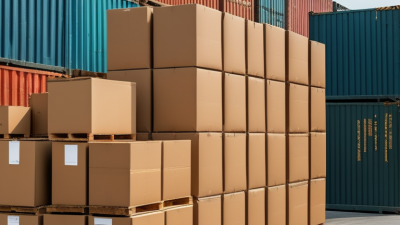
For storage, consider how often the box will be moved and where it will sit. A sturdy carton with a secure closure can help keep bottles upright and limit dust exposure. If boxes are stacked, check that their walls and bases can handle the weight. Keep the storage area dry and away from sharp temperature changes. Cardboard can soften when damp, even if it looked strong when packed.
Display boxes call for a different balance. A window or open front can make labels easier to see, while a clean divider keeps bottles aligned. Looks matter too. Still, a box that photographs well may be awkward to carry, or may hide the bottle’s shape. Compare the filled box with its intended shelf or counter, not just a product image. For mixed bottle sizes, a universal insert seems convenient, but it may leave gaps; testing one packed sample is a small step that can prevent a frustrating batch.