Who Are the Top China Boxes and Packaging Suppliers?
Choosing the right China supplier for boxes and packaging requires more than comparing attractive catalogs. A factory may show polished product photos, yet still struggle with consistent board strength or export schedules. This guide examines leading Chinese suppliers through practical, verifiable criteria. These include production experience, material quality, customization capability, factory capacity, certifications, and customer support.
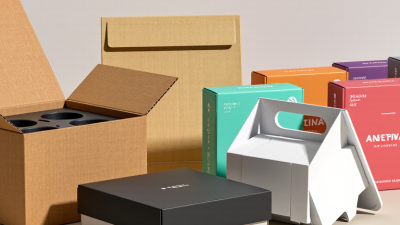
The strongest companies usually offer more than standard cartons. They can produce rigid boxes, folding cartons, corrugated mailers, gift packaging, and protective inserts. Some support small trial orders, while others focus on high-volume retail programs. Details matter. Ask about paper thickness, printing accuracy, edge finishing, adhesive performance, and drop-test results. A sample should survive handling before a large order begins.
Not every supplier fits every buyer. That matters.
A packaging company with advanced automation may require a higher minimum order quantity. A smaller factory might provide closer communication and greater flexibility. However, its delivery capacity may be limited during peak seasons. These differences can change the real cost of a project. Freight terms, tooling fees, inspection procedures, and replacement policies deserve careful review.
This overview does not treat popularity as proof of quality. Rankings can become outdated, and supplier claims may need independent confirmation. Buyers should request recent samples, factory documentation, and clear quotations before making decisions. The goal is not to identify one universal winner. It is to help readers compare reliable China boxes and packaging suppliers with greater confidence, practical judgment, and fewer expensive surprises.
What Defines a Top China Boxes and Packaging Supplier?
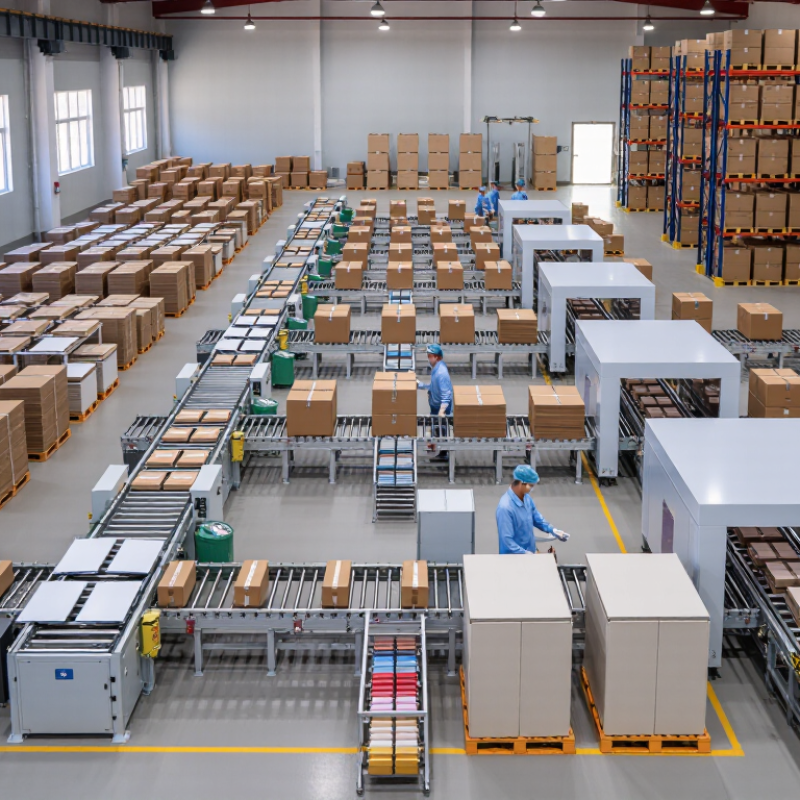
A top China boxes and packaging supplier is defined by repeatable quality, not attractive samples alone. In practice, experienced teams inspect paper weight, board moisture, folding accuracy, and print registration before mass production. They should explain material choices in clear terms, including strength, finish, recyclability, and expected shelf performance. A reliable supplier also provides a documented production schedule, approved samples, and inspection records.
Professional suppliers ask practical questions about product weight, shipping conditions, storage temperature, and opening experience. Their engineers can recommend suitable structures, such as rigid boxes, folding cartons, corrugated mailers, or protective inserts. They should understand packaging safety requirements in the destination market. Transparent communication matters when colors shift, materials become unavailable, or delivery dates change. Silence is a warning sign.
Real experience appears during difficult orders. Can the supplier control edge alignment across thousands of units? Can they correct a weak magnetic closure without hiding the mistake? No supplier gets every decision right. What matters is how clearly problems are reported and resolved. Buyers should request recent quality data, factory process details, and small-scale testing before committing to large quantities. A top supplier earns trust through evidence, careful questions, and consistent follow-through.
Which Types of Boxes and Packaging Do Chinese Suppliers Produce?
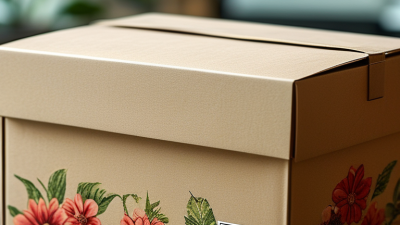
Chinese packaging suppliers produce far more than standard shipping cartons. Their main categories include corrugated boxes, folding cartons, rigid setup boxes, mailer boxes, paper bags, and molded-pulp inserts. Corrugated formats suit e-commerce and export logistics, while folding cartons support cosmetics, food, and household products. Rigid boxes add structure, with magnetic lids, foam trays, or fabric-wrapped panels. Custom sizes are common.
Smithers’ report, The Future of Global Packaging to 2028, valued the global packaging market at about US$1.05 trillion in 2022. It projects growth to roughly US$1.2 trillion by 2028. This expansion encourages Chinese factories to combine offset printing, digital sampling, foil stamping, embossing, and water-based coatings. Some suppliers also offer recyclable paper structures and molded-fiber protection. The material choice still depends on moisture, stacking pressure, product weight, and shipping distance.
Details matter more than glossy samples. A box can look excellent yet collapse during humid transport. Suppliers should provide compression tests, material specifications, pre-production samples, and clear tolerance ranges. Forest certification, food-contact documentation, and ink safety records may also be necessary. The category lines are not always clean. Some factories are strong at printing but weaker at structural engineering. Others produce impressive prototypes but struggle with stable mass production. Buyers need to inspect both capabilities, not only the catalog.
How to Evaluate China’s Leading Packaging Manufacturers
Choosing among China’s top box and packaging suppliers requires more than comparing online catalogs. Evaluate the manufacturer behind the sample. Request production photos, material specifications, and recent quality records. A reliable supplier should explain board thickness, coating options, printing tolerances, and packing methods clearly.
Order a physical sample before discussing large quantities. Check fold accuracy, edge strength, color consistency, and odor. Place the box under normal warehouse conditions for several days. I once judged a package too quickly because its surface looked excellent. Later, a weak corner appeared during stacking. That mistake reinforced the value of practical testing. Ask whether the factory performs drop tests, compression tests, and inspection checks before shipment. Confirm its production capacity, lead times, and ability to maintain identical quality across repeat orders. Certificates can help, but they should match the actual factory and materials.
Tips: Compare at least three suppliers using the same specifications. Ask for a written quotation with tooling, sampling, packaging, and delivery costs separated. Review communication speed and technical accuracy, not just price. Request a clear process for handling defects. Keep approved samples and signed specifications for future reference. Visit the facility when possible, or arrange an independent inspection. Be cautious with unusually low offers. They may reflect thinner materials, weak quality control, or hidden charges. Even careful buyers can miss details, so leave time for another sample review.
This procurement scorecard highlights the measurable factors commonly used to evaluate China’s leading packaging manufacturers. Quality systems, production capability, sustainability compliance, export experience, cost competitiveness, customization, and delivery reliability should be verified through certificates, factory audits, samples, inspection records, and customer references.
What Industries Do China’s Packaging Suppliers Serve?
China’s packaging suppliers serve a wide range of industries, from food production to precision electronics. In my experience, food companies often request corrugated cartons, folding boxes, paper bags, and moisture-resistant films. Beverage producers need sturdy cases that survive stacking, transport, and warehouse humidity. Packaging must look attractive, but protection comes first.
Cosmetic and personal-care manufacturers usually seek rigid boxes, molded inserts, tubes, and small presentation sets. They care about surface finishes, color consistency, and accurate dimensions. Electronics companies require anti-static bags, die-cut foam, and strong outer cartons. A two-millimeter error can damage a product fit. That detail is easy to underestimate.
Pharmaceutical and healthcare suppliers need stricter production controls, traceable materials, and clean handling procedures. Agricultural exporters often use ventilated cartons, produce trays, and protective sleeves for fresh goods. E-commerce companies prefer lightweight mailers and compact boxes that reduce shipping volume. Industrial equipment makers may need plywood cases, edge protectors, and custom foam supports.
Not every supplier handles every sector well. Some factories communicate clearly but offer limited testing. Others provide excellent samples but struggle with large orders. Buyers should review material specifications, compression results, moisture resistance, and inspection records before approval. A practical sample test is still valuable. Paper strength can change between seasons, and printed colors may vary slightly between production runs. Careful packaging decisions depend on the product, destination, handling conditions, and realistic quality controls.
How to Choose the Right China Boxes and Packaging Supplier
Choosing the right China boxes and packaging supplier requires more than comparing online prices. A reliable supplier should understand your product, shipping conditions, and target market requirements. Ask about material thickness, printing methods, box strength, and moisture protection. A serious factory will explain limitations instead of promising everything. Request business documents, production photos, test reports, and recent customer references. Verify these details independently. Clear records matter.
Before placing a large order, request physical samples made with the proposed materials. Inspect folding accuracy, corner strength, color consistency, and surface finish. Drop-test filled boxes when shipping damage is a concern. Check whether the sample matches the quotation, including inserts, labels, and packing quantities. One overlooked detail can change the final cost. My own early supplier checks focused too heavily on communication speed. That was a mistake. Fast replies do not prove stable production.
Pricing should be compared against measurable specifications, not just unit cost. Ask for a breakdown covering tooling, sampling, packaging, delivery, and quality inspections. Confirm production timelines in writing, with clear approval stages. Discuss how defects will be handled before payment. A dependable supplier welcomes reasonable inspection procedures and provides traceable quality records. Use a small trial order before scaling up. Keep approved samples and signed specifications together. Small controls prevent expensive surprises.