Top 10 Print Bags Suppliers for Global Buyers

Choosing reliable print bags suppliers can shape product presentation, shipping efficiency, and customer trust. For global buyers, the decision involves more than attractive artwork or a low quotation. Materials, printing quality, production capacity, and communication often determine the real value of an order.

This guide introduces ten suppliers that serve different packaging needs and market regions. The comparison considers factory experience, customization options, minimum order quantities, sample procedures, lead times, and quality controls. It also reviews practical details, such as color consistency, handle strength, carton protection, and export documentation. Responsible suppliers should explain their materials clearly and support applicable environmental and product-safety requirements. Claims still need verification.

No supplier is perfect. That matters. A factory may offer excellent paper bags but limited recycled content. Another may provide flexible small batches but longer production schedules. Buyers should request physical samples, confirm specifications in writing, and assess communication before placing a large order. Website photos can hide weak seams or uneven printing. An independent inspection may be worthwhile for high-volume purchases.

The selected companies are presented as useful starting points, not unquestionable winners. Their suitability depends on product type, destination, budget, and delivery expectations. Buyers should also review current certifications and trade terms directly with each supplier. Careful comparison reduces surprises, especially when print bags must arrive on time and match approved samples. This approach combines practical purchasing experience with evidence-based evaluation for safer international sourcing.
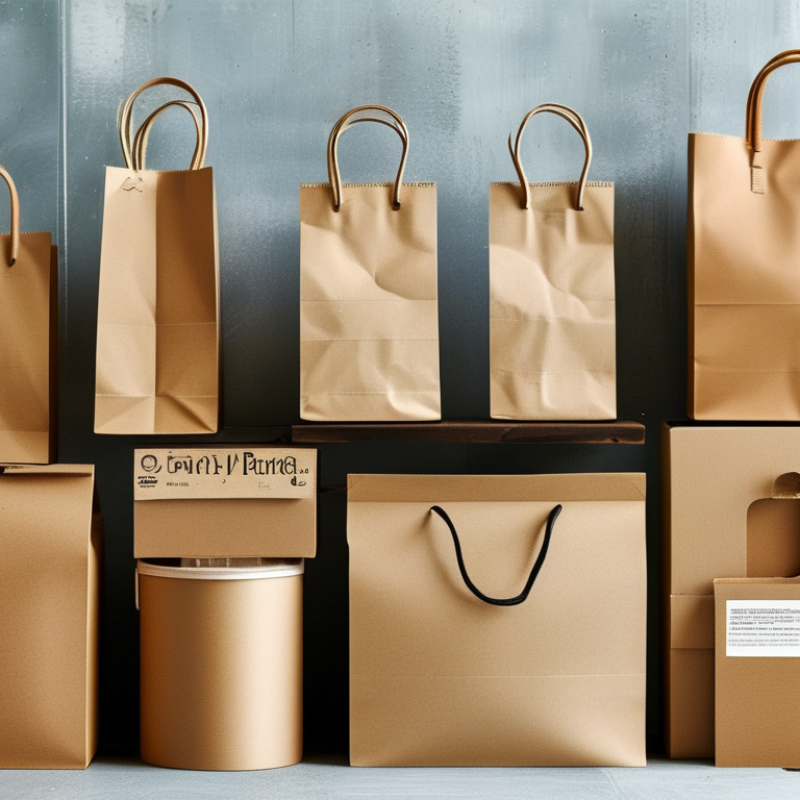
Top 10 Print Bags Suppliers for Global Buyers

What Printed Bags Are and Why Global Buyers Use Them

Top 10 Print Bags Suppliers for Global Buyers

Printed bags are flexible packaging products carrying logos, product details, patterns, or handling instructions. They may use paper, woven fabric, plastic, or compostable films. Printing turns a plain carrier into a visible communication tool. A shopper sees the bag after purchase, often outside the store. That repeated exposure can support recognition. It is practical marketing, not magic. Poor ink adhesion, weak handles, or inaccurate colors can damage trust quickly.

Global buyers use printed bags to protect goods, organize orders, and present a consistent retail image across markets. They also request different sizes, closures, finishes, and handle styles for specific products. A food retailer may need barrier performance and clear material information. A clothing seller may prioritize soft texture and strong seams. Experienced sourcing teams check samples, print tolerances, load tests, and packaging records before approving production. Supplier reliability matters as much as appearance. Ask about material composition, factory quality controls, delivery capacity, and export documentation. Requirements change by destination, so generic claims deserve careful review.

Tips: Start with the bag’s real use, not only its artwork. Confirm dimensions after filling. Test handles with realistic weight. Request a physical proof before bulk production. Check color under normal store lighting. Review recycling or disposal instructions for the target market. I have found that a beautiful sample can hide a weak seam. That lesson is easy to miss.
How to Evaluate Printed Bag Suppliers for International Orders

International buyers should evaluate printed bag suppliers beyond attractive catalogs and low quotations. A reliable supplier explains material grades, printing methods, bag dimensions, and production limits clearly. Ask for physical samples, not only digital images. Check color consistency under natural light. Small differences can become obvious across 20,000 bags.

Request recent factory photos, quality records, and a clear production timeline. A serious supplier should identify who controls printing, cutting, stitching, and final inspection. Confirm whether production is handled in-house or outsourced. Review test reports for strength, odor, moisture resistance, and required market standards. For food-contact packaging, request documents that match the destination country. Documents matter.

International orders need stronger communication. Compare the supplier’s quotation line by line, including tooling, sampling, packaging, freight terms, and customs responsibilities. Ask how they handle defective units, delayed shipments, and artwork changes. A written approval process can prevent expensive misunderstandings. Confirm carton dimensions before booking freight. One overlooked measurement may increase shipping costs sharply.

Check payment terms carefully. Avoid choosing solely by the cheapest offer. Very low pricing may reflect thinner material, weaker ink adhesion, or rushed inspection. A trial order can reveal more than a confident sales presentation. Still, even a trial order is not perfect evidence. Seasonal workloads, staff changes, and raw material shortages can affect later batches. Keep communication records and approve a golden sample before mass production.

Top 10 Printed Bag Suppliers and Their Core Strengths

Top 10 Printed Bag Suppliers and Their Core Strengths

Global buyers usually judge printed bag suppliers by more than unit price. They need stable color, accurate dimensions, reliable packing, and clear export communication. Based on common factory audits and sourcing experience, ten supplier types deserve attention for different reasons. The strongest option depends on volume, material, artwork, and delivery risk.

A recycled paper bag supplier often excels in sharp offset printing and retail presentation. A laminated polypropylene supplier handles moisture better and supports large production runs. A cotton bag supplier offers soft textures, reusable value, and detailed screen printing. A jute bag supplier brings natural fibers and a strong handmade appearance. A nonwoven bag supplier usually provides low-cost promotional packaging with quick production. These suppliers need careful checks on fabric weight, handle stitching, and color consistency. Small defects can become expensive at scale.

A rigid gift bag supplier focuses on premium structure, foil details, and precise folding. A digital-print supplier supports short runs and frequent artwork changes. An industrial woven-bag supplier handles heavy loads and reinforced seams. An insulated bag supplier combines printed surfaces with thermal lining for temperature-sensitive products. A flexible packaging supplier offers efficient film printing, compact packing, and broad size choices. Yet no supplier is perfect. Digital printing may cost more per piece, while natural fibers can vary between batches. Buyers should request pre-production samples, inspect carton labels, and confirm ink performance before approving mass production.

Key Factors for Comparing Quality, Pricing, and Customization

Top 10 Print Bags Suppliers for Global Buyers

Comparing print bag suppliers requires more than checking attractive product photos. Quality begins with material weight, seam strength, handle attachment, and print accuracy. Ask for physical samples. Inspect the bag under bright light. A 120 GSM fabric may feel strong, but stitching quality still determines durability. Check whether colors remain consistent across repeated production batches.

Pricing should include more than the quoted unit cost. Review plate fees, sampling charges, packaging, shipping terms, and minimum order quantities. A cheaper offer can become expensive after tooling and rework. Request a clear cost breakdown. Short lead times also deserve careful verification. Suppliers should explain production capacity, inspection procedures, and how they handle delays.

Customization is valuable when specifications are precise. Share artwork files, bag dimensions, handle length, color references, and preferred finishing methods. Ask about print registration, edge sharpness, and acceptable tolerance. During supplier evaluations, request test reports or internal inspection records when available. Communication quality matters too. Slow answers can signal future problems.

No supplier performs perfectly. I once underestimated the effect of handle length on carrying comfort. That detail changed the final design. Compare samples, not promises, and record every agreed specification before placing an order. A reliable supplier welcomes practical questions and admits limitations.

How to Select the Right Supplier for Your Market and Product

Selecting a printed bag supplier requires more than comparing unit prices. Product protection comes first. Ask whether the supplier can match your required barrier against oxygen, moisture, light, and aroma. Request production samples, not only digital artwork. Check seal strength, ink adhesion, color consistency, and performance after transport.

Market data supports this practical approach. The OECD’s Global Plastics Outlook reports that packaging creates about 40% of global plastic waste. Therefore, buyers should examine material efficiency, recyclability claims, and documented testing. Smithers’ flexible packaging research also identifies food and consumer products as major demand areas. Suppliers serving these markets should provide traceable raw materials, controlled printing processes, and reliable batch records. A perfect supplier rarely exists. Your real goal is controlled risk.

Tips: Compare three samples under identical conditions. Confirm minimum order quantities, cylinder or plate charges, lead times, and replacement terms in writing. Ask for test reports from qualified laboratories. For regulated products, request current compliance declarations for the destination market. Visit the factory when possible, or use an independent audit. Small details matter: a 2-millimeter seal variation can damage shelf appearance and filling efficiency. One mistake is choosing a supplier for impressive samples alone. Repeatability matters more. Also, do not ignore communication speed; unclear answers before purchase may become expensive delays after production.

Top 10 Print Bags Suppliers for Global Buyers

How to Select the Right Supplier for Your Market and Product

The chart presents a practical 100-point evaluation model for comparing print bag suppliers. Buyers should give the highest priority to product compliance, print quality, total cost, production capacity, and delivery reliability, while adjusting the weighting for local regulations, order volume, and packaging application.