Choosing the right gift box can make a present feel thoughtful before it is even opened. The best choice depends on the item, the occasion, and how it will be carried or shipped. A small jewelry box needs a different structure from a box holding a heavy candle or several books. Looks matter, but fit and protection matter too.
This guide explores popular gift boxes, including rigid boxes, folding cartons, mailer boxes, drawer styles, and boxes with magnetic closures. Each has practical strengths. A sturdy rigid box can protect delicate items and feel polished, while a folding carton stores flat and suits lighter gifts. Mailer boxes are useful when a present needs to travel, though extra padding may still be necessary. Small details count: a snug insert, clean edges, and a lid that opens without a struggle. Simple things.
Materials also shape the experience. Recycled paperboard may suit a low-waste preference, while glossy finishes can add color but complicate recycling in some local systems. There is no single best box for every gift. Even attractive packaging can feel wasteful if it is much larger than the item inside. That trade-off deserves a second look. By comparing common styles, materials, and uses, readers can choose gift boxes that balance presentation, protection, and practical needs.
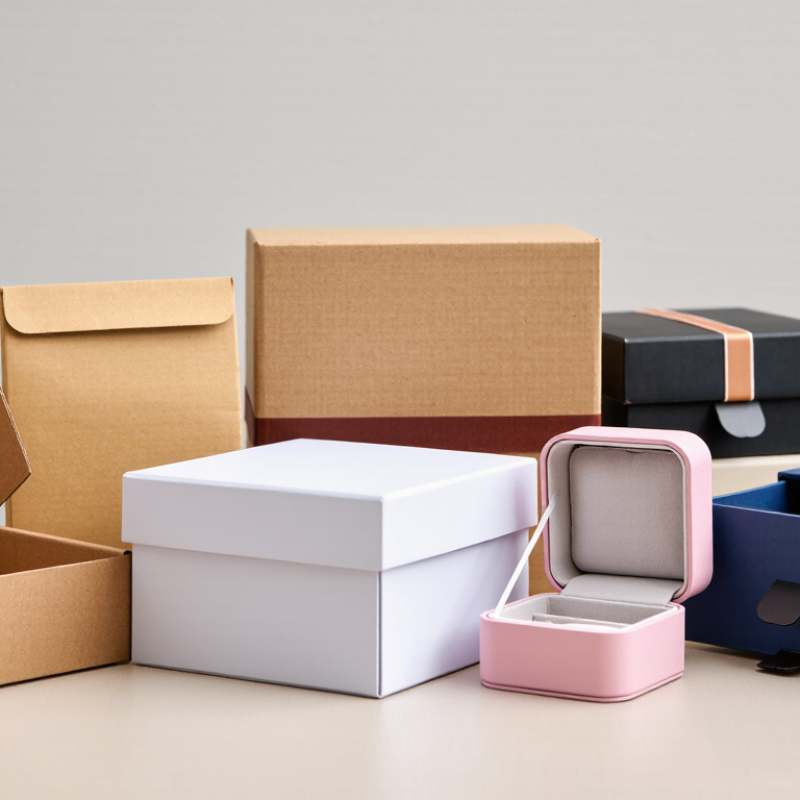
Rigid gift boxes use a thick paperboard core, wrapped in printed paper, fabric, or textured stock. Their firm walls protect delicate items and create a satisfying lift when the lid comes off. That matters. For premium gifts, a close-fitting insert can hold a glass bottle, jewelry case, or small keepsake steady during handling. The trade-off is weight and storage space: rigid boxes ship flat less often than folding cartons and can cost more to transport.
Design choices affect what happens after unboxing. Eurostat reported that paper and cardboard made up 40.8% of EU packaging waste in 2022. That figure covers all packaging, not rigid gift boxes alone, but it shows the material’s large role in the waste stream. The US Environmental Protection Agency’s 2018 packaging data reported that 53.9% of containers and packaging were recycled. Neither statistic guarantees that a specific box is recyclable; coatings, magnets, foam, and mixed materials can complicate sorting.
A cleaner construction may use a paperboard insert instead of plastic foam, and a removable ribbon instead of glued decoration. Still, a rigid box is not automatically the greener choice. Extra layers add material, and a beautiful box may simply be discarded. I would test the fit with the actual product, then remove any detail that adds little protection or value.
Folding carton gift boxes are made from scored paperboard that folds into shape. They arrive flat, so a stack takes little shelf space and costs less to store than rigid boxes. A small shop can keep several sizes behind the counter, then assemble one when a customer needs it. The folds are crisp. The box feels light in the hand.
That lightness suits candles, scarves, stationery, and other modest-weight gifts. A fitted paperboard insert can stop a glass jar from sliding, while a ribbon or printed sleeve adds a finished touch. Yet paperboard has limits: a damp surface or heavy item can dent a corner. I would test the packed box, not just admire a flat sample.
The U.S. Environmental Protection Agency’s 2018 Advancing Sustainable Materials Management report found that 68.2% of paper and paperboard generated was recycled. That figure covers many paper products, not folding cartons alone, so it is useful context rather than a carton-specific result. Clean, unlaminated cartons may be easier to recycle where local programs accept them. A glossy coating can complicate that choice. Check local instructions.
Mailer gift boxes are designed to make a present easier to pack, protect, and send. Many use corrugated board, which adds stiffness without making the parcel overly bulky. A fitted insert can hold a candle jar, folded scarf, or small keepsake in place. That matters. Items that slide around may arrive with scuffed surfaces or damaged corners.
Choose a box that fits the gift with room for a modest layer of cushioning. Too much empty space invites movement, while an overly tight fit can crush tissue paper or make the gift awkward to remove. Check the base, lid, and closing tabs before packing. Reinforce the seams with suitable packing tape, especially if the box will travel a long distance. Still, no mailer can prevent every dent, so fragile items may need extra inner protection.
Tips: Test the packed box with a gentle shake before sealing it. If the contents shift, add paper or a snug insert. Keep the outer surface smooth, and place the shipping label on a flat area. A decorative finish is lovely, but rough textures or loose ribbons can catch during handling. Do one trial pack; the fit may need adjusting.
| Mailer Box Type | Typical Construction | Shipping Protection | Best Suited For | Common Design Options |
|---|---|---|---|---|
| Single-Wall Corrugated Mailer | One corrugated fluted layer between two linerboards; often made with a self-locking tuck or tab closure. | Provides cushioning and structure for many lightweight shipments; inserts can help limit movement. | Apparel, books, small accessories, and curated gift sets. | Printed exterior or interior, custom inserts, and paper-based cushioning. |
| Kraft Corrugated Mailer | Corrugated board with kraft-paper linerboard, typically in a natural brown finish. | Offers the structural protection of its corrugated construction; performance depends on board grade and package design. | Gifts with a natural-looking presentation, food gift assortments, and handmade items. | Simple one- or two-color printing, paper tape, and molded-pulp or paper inserts. |
| Full-Color Printed Mailer | Corrugated mailer with printed graphics on the outside, inside, or both, depending on the print method. | Protection comes primarily from the corrugated board; printing changes appearance rather than structural strength. | Subscription gifts, seasonal packages, and occasions where the unboxing experience matters. | Patterns, messages, product information, and coordinated interior and exterior artwork. |
| Mailer with a Fitted Insert | Corrugated outer box paired with a die-cut paperboard, corrugated, or molded-pulp insert. | Helps hold items in place and separate multiple components; insert design should match the product’s size and fragility. | Glassware, cosmetics, small electronics, and multi-item gift sets. | Custom-shaped compartments, dividers, and paper-based cushioning. |
| Return-Ready Mailer | Mailer designed with a second tear strip or adhesive closure to make reopening and resealing easier. | Provides standard mailer-box protection; a resealing feature supports returns but does not replace suitable packing materials. | Clothing, gift subscriptions, and items that customers may need to exchange or return. | Tear strips, resealable adhesive strips, and clear return instructions. |
Note: Protection varies with box dimensions, board grade, product weight, inserts, and handling conditions. Test the complete packed box before shipping fragile or valuable gifts.
Among gift box styles, drawer boxes make opening part of the gift. A rigid outer sleeve holds a sliding inner tray, often pulled by a ribbon or fabric tab. The reveal feels deliberate: a candle sits in a fitted insert, while tissue paper shifts gently as the tray moves. Small details matter. A loose sleeve can make the box feel flimsy; a tight one can frustrate the recipient.
This design suits jewelry, stationery, confectionery, and compact keepsakes. It also offers space for a printed note or neatly arranged compartments.
In its 2016 Packaging Report, Dotcom Distribution surveyed 500 U.S. online shoppers; 52% said premium packaging made them more likely to purchase again from a merchant. That finding does not prove a drawer box alone drives loyalty, but it shows why presentation deserves attention.
There is a trade-off. Drawer boxes may use more material than simple folding cartons, and oversized inserts can create waste. Measure the product before choosing the tray depth, then test the sliding fit with the actual contents. Smooth movement matters. A ribbon that catches on the sleeve can spoil the moment. Even careful prototypes can miss this. The box is part of the experience, not a substitute for a thoughtful gift.
Specialty Gift Boxes: Shapes and Features for Unique Occasions
Specialty gift boxes make the presentation feel connected to the occasion. A hexagonal box suits wedding favors or small candles, while a shallow, book-style box works well for invitations and keepsakes. For birthdays, a star-shaped container adds a playful touch, but it may leave unused space around oddly shaped gifts. Measure the item before choosing a design. That simple step prevents a loose fit.
Features matter as much as shape. A hinged lid keeps delicate contents easier to reach, and a fitted insert can hold glassware or handmade sweets in place. For a baby shower, soft colors and a ribbon pull can create a gentle look without adding bulky decorations. A window panel helps recipients see the gift, though it offers less privacy and may not suit every item. Small details matter. Consider how the box will travel, too: thin paperboard can bend under heavier contents, while reinforced corners provide more support. A highly unusual shape can look memorable on a table, yet become awkward to stack or store. That trade-off is easy to overlook. Choose materials and dimensions according to the gift’s weight, fragility, and setting, rather than appearance alone.
Distinctive shapes can make a gift feel more occasion-specific. This chart compares the flat faces of common geometric box forms: a hexagonal prism has eight, while a triangular prism has five.