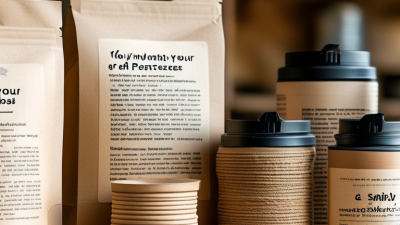
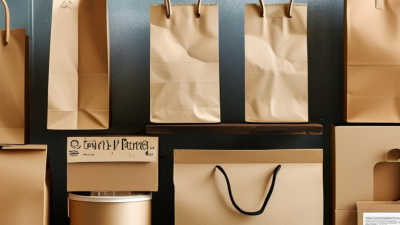
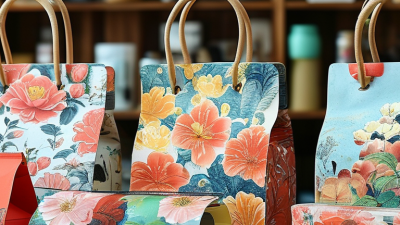
Global buyers entering 2026 face a practical question: which print bags deliver shelf impact without creating unnecessary material waste? The answer depends on product weight, filling conditions, transport distance, print quality, and end-of-life options. Beautiful artwork alone is not enough.
Smithers’ report, The Future of Flexible Packaging to 2028, identifies continued demand for lightweight, high-performance packaging. Its analysis also highlights digital printing, shorter production runs, and versioned artwork as important market developments. The Flexible Packaging Association’s industry data shows that flexible packaging remains a major global packaging category, supported by low weight and efficient material use. Yet market forecasts can simplify reality. Recycling access differs sharply between regions.
Alison Keane, President and CEO of the Flexible Packaging Association, has stated, “Flexible packaging uses less material and energy than many other packaging formats.” This principle helps explain why print bags remain relevant for coffee, snacks, pet food, and personal-care products. However, buyers should test more than appearance. Ask for migration documentation, ink specifications, seal-strength results, barrier data, and verified sustainability claims. Request physical samples. Rub the printed surface. Check the zipper after repeated opening. Small failures become expensive at container scale.
The 2026 best print bags will not be identical for every market. A matte stand-up pouch may suit premium coffee, while a high-barrier flat bag may better protect powdered foods. Cost, compliance, recyclability, and performance must be reviewed together. This guide compares those factors for global purchasing decisions, while recognizing one uncomfortable truth: no packaging format is perfect.
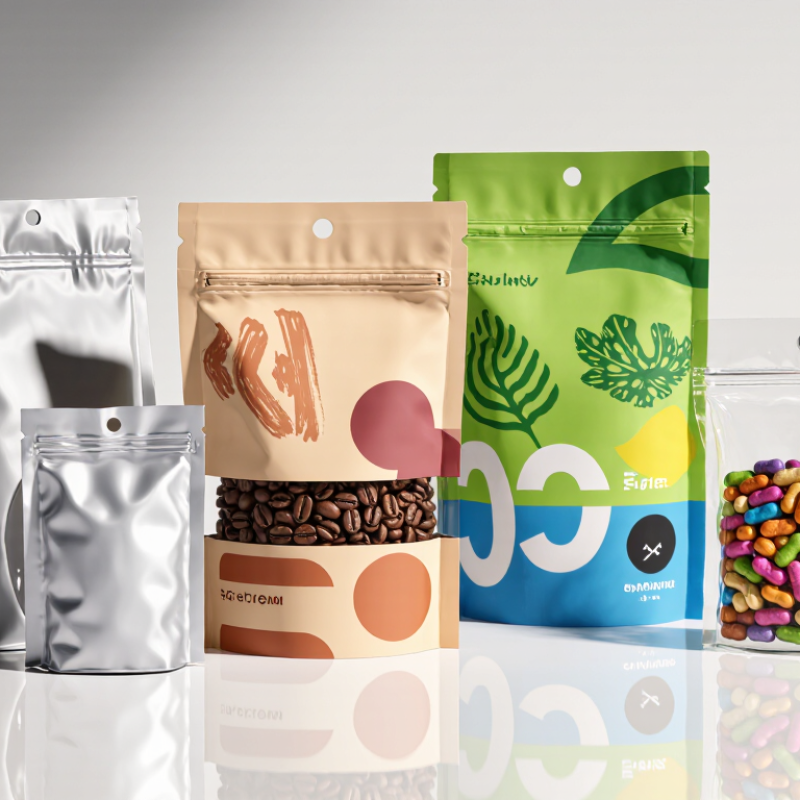
What Are the 2026 Best Print Bags for Global Buyers?
Eurostat reported 186.5 kilograms of packaging waste per EU resident in 2022. That figure changes how buyers should judge printed bags. Low price alone is no longer a reliable purchasing signal. A practical bag must protect goods, carry weight, and support responsible disposal. It should also match local collection systems, which differ between markets.
For many shipments, recyclable paper bags offer a strong balance between print quality and material simplicity. Kraft paper feels natural in the hand and accepts clear graphics. However, moisture can weaken it quickly. Recycled woven bags may provide better strength for heavier products. Their seams, handles, and coating need careful testing. A bright print is useful, but it cannot repair poor construction.
Ask suppliers for material specifications, load tests, print durability results, and packaging weight per unit. Check whether inks, adhesives, and laminations complicate recycling. Independent laboratory reports are more dependable than general marketing claims. Samples should face real handling: warehouse stacking, rain exposure, and repeated lifting. A bag that performs well in a showroom may fail on a crowded delivery route. That is an uncomfortable possibility. Buyers should also review regional packaging rules before placing large orders. The best 2026 print bag is not identical for every market. It is the one that combines verified performance, practical design, and a lower material burden.
Global Packaging Baseline: 186.5 kg of packaging waste per EU resident in 2022, according to Eurostat. The comparison below focuses on printability, material efficiency, barrier performance, recycling considerations, and suitability for international purchasing.
| Bag Type | Typical Material Structure | Best-Fit Applications | Print Quality and Recommended Method | Barrier and Product Protection | Recycling Considerations | Key Buyer Advantages | Potential Limitations | 2026 Global Buyer Suitability |
|---|---|---|---|---|---|---|---|---|
| Paper Stand-Up Pouch | Kraft or white paper outer layer with a functional inner layer. For recycling-oriented designs, a mono-paper structure may be specified where local systems accept it. | Dry foods, bakery products, powdered goods, cosmetics, gifts, and lightweight retail items. | High-quality surface for flexographic, gravure, offset-laminated, or digital printing. Matte and natural paper effects are widely used for premium positioning. | Good for dry products. Moisture, grease, oxygen, and aroma resistance depend on the inner coating or barrier layer. | Paper recycling is generally easier when the bag uses a compatible mono-material structure and contains limited non-paper components. Local acceptance must be verified. | Renewable-fibre appearance, low shipping weight, strong shelf presence, and broad customization options. | Paper alone has limited resistance to moisture and grease. Mixed-material constructions can complicate recycling. | High for dry goods |
| Mono-PE Stand-Up Pouch | A pouch made primarily from polyethylene, commonly using PE film layers designed for compatible recycling streams. | Snacks, frozen foods, pet food, household refills, personal-care products, and flexible retail packaging. | Excellent color density and repeatability with flexographic or gravure printing. Digital printing is suitable for shorter runs and variable artwork. | Good moisture resistance and useful seal performance. Oxygen and light protection depend on film grade, thickness, and optional compatible barrier layers. | Designed for polyethylene recycling where collection and processing infrastructure exists. A recycling-compatible format does not guarantee acceptance in every market. | Lightweight, flexible, strong sealability, and suitable for high-volume export programs. | Recycling infrastructure for flexible plastics remains uneven across countries. Material claims should be supported by market-specific evidence. | High where PE collection exists |
| Mono-PP Retort or High-Barrier Pouch | Polypropylene-based flexible structure, engineered for higher heat resistance or improved barrier performance depending on the grade. | Heat-processed foods, sauces, ready meals, sterilized products, and demanding food applications. | Strong graphics using flexographic or gravure printing. Artwork should account for high-contrast registration and potential post-processing conditions. | Good heat resistance and strong moisture protection. Retort performance requires a structure specifically validated for temperature, pressure, and processing time. | May support polypropylene recycling pathways where available. Retort and high-barrier constructions should be checked for compatibility with local recycling guidance. | High product protection, flat shipping profile, and potential reduction in packaging mass compared with rigid formats. | More demanding technical validation, higher specification requirements, and limited flexible-PP collection in some regions. | High for processed foods |
| Recyclable PE Mailing Bag | Flexible polyethylene film with an adhesive flap, tear strip, and optional recycled content subject to performance and regulatory requirements. | Apparel, soft goods, e-commerce orders, documents, and non-fragile products. | Suitable for flexographic printing. Large solid areas, simple graphics, and scannable variable information can be applied efficiently. | Good protection against dust and light moisture. It does not provide rigid protection against crushing or puncture from sharp products. | Recyclability depends on the film type, additives, labels, adhesive system, and the receiving country’s collection rules. | Very low shipping volume, low tare weight, tamper-evident options, and efficient use in parcel distribution. | Limited product protection and possible difficulty in recycling where flexible-film collection is unavailable. | High for soft goods |
| Recycled Paper Shopping Bag | Paper made partly or wholly from recycled fibre, with twisted or flat paper handles and optional water-based inks. | Retail stores, apparel, books, gifts, food-service takeaway, and event merchandise. | Good printability for logos, illustrations, and retail messaging. Flexographic, offset, and digital printing can be selected according to volume and finish. | Suitable for general carrying use. Moisture resistance varies; coatings and laminations may affect end-of-life processing. | Generally compatible with paper recycling when clean and free from incompatible coatings, plastic parts, and excessive contamination. | Reusable for multiple shopping trips, strong visual impact, and clear fibre-based positioning. | Heavier and bulkier than thin flexible bags. Handle strength and wet-load performance require testing. | High for retail presentation |
| Reusable Woven PP Bag | Woven polypropylene fabric, often with stitched or heat-sealed handles and an optional laminated printed surface. | Grocery shopping, warehouse retail, agriculture, hardware, promotional distribution, and repeated transport. | Laminated surfaces support sharp multicolor graphics. Flexographic printing is commonly used on woven fabric; printing quality depends on coating and weave density. | Good tear strength and load capacity. Water resistance is generally useful, while fine-particle containment depends on the fabric construction. | Polypropylene recycling may be possible where suitable collection and processing systems exist. Mixed handles, coatings, and sewn components can affect sorting. | Durable, reusable, stackable, and suitable for high-load applications. | Higher material use than single-use thin bags and greater transport volume when folded or packed. | High for repeated use |
| Cotton or Cellulosic Fibre Tote | Woven cotton, recycled cotton, or other cellulosic fibre fabric with stitched handles. | Premium retail, events, libraries, apparel, gifts, and long-term promotional use. | Screen printing, digital textile printing, and transfer printing offer different levels of detail, color coverage, and durability. | Good mechanical strength for everyday carrying. Moisture resistance is limited unless a treatment or lining is added. | Fibre recycling depends on fabric composition, dyes, coatings, stitching, and available textile collection systems. | Durable appearance, strong tactile value, and suitable for repeated reuse over an extended period. | Higher production footprint and shipping weight can require many reuse cycles to justify the material input. | High for long-term reuse |
| Compostable Certified Film Bag | Film based on certified compostable polymers or fibre blends, manufactured for a defined industrial or home-composting environment. | Selected food-service uses, organic-waste liners, produce applications, and markets with suitable composting infrastructure. | Flexographic printing is commonly used. Ink, adhesive, and coating selection must be compatible with the relevant compostability requirements. | Useful moisture performance for selected short-life applications. Shelf life and heat resistance depend on the certified structure. | Must be assessed against the applicable compostability standard and disposal environment. Compostable does not mean suitable for ordinary plastic recycling. | Can fit clearly defined organic-waste or controlled composting systems. | Requires clear disposal instructions and verified local infrastructure. Incorrect disposal can reduce environmental benefits. | Use only in matched systems |