How to Choose the Best Wine Bottle Boxes for Shipping?
Choosing the right wine bottle boxes for shipping is crucial for both businesses and consumers. According to industry reports, shipments of wine have grown significantly, with an estimated 47% increase in e-commerce wine sales in the past three years. The importance of protective packaging cannot be overstated, especially as fragile items like wine bottles are at risk during transportation.
Wine bottle boxes must offer adequate protection to minimize breakage. In fact, a study published by the Packaging Association shows that over 25% of wine shipments experience some type of damage due to inadequate packaging. Many options are available, from corrugated cardboard to molded pulp. Understanding these materials is essential for selecting the best box to ensure product safety. Combining knowledge of packaging materials and market trends is key to making an informed decision.
Additionally, aesthetics and branding should not be overlooked. Attractive packaging can enhance customer perception and improve sales. Research implies that 60% of consumers associate high-quality packaging with premium products. Amidst growing competition, businesses must balance functionality and appeal when selecting wine bottle boxes. Reflecting on these factors can guide the decision-making process effectively.
Types of Wine Bottle Boxes Suitable for Shipping
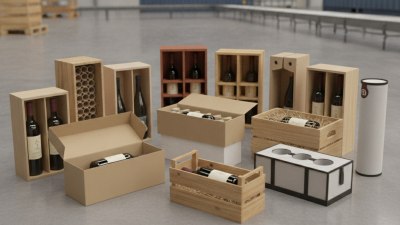
When it comes to shipping wine, choosing the right box is crucial. There are various types of wine bottle boxes available, each designed to protect your bottles during transit. Corrugated cardboard boxes are popular for their sturdy structure. They can hold one or multiple bottles securely. This type of packaging absorbs shocks and prevents breakage. Additionally, they are lightweight, which can help reduce shipping costs.
Another effective option is foam inserts. These inserts fit snugly around each bottle, cushioning them against impacts. Foam inserts are often used inside cardboard boxes for extra protection. While they provide excellent security, they can be more expensive than standard cardboard options. Consider this balance between cost and safety when selecting a box.
Using dividers in your boxes is another good practice. Dividers help keep each bottle separate, minimizing movement during shipping. This reduces the risk of damage. However, not every shipping need requires dividers; for smaller shipments, they might be unnecessary. Evaluate your specific needs to ensure the best choice for shipping wine bottles.
Key Features to Consider in Wine Bottle Shipping Boxes
When choosing wine bottle shipping boxes, several key features must be considered. A robust design is crucial. Research shows that nearly 30% of wine bottles break during shipping due to inadequate packing. Sturdy materials, such as corrugated cardboard, can minimize damage. Look for boxes that feature multiple layers of protection, as well as padding, to reduce movement inside the box.
Sizing is another critical aspect. Oversized boxes can lead to shifting, while undersized ones risk crushing. Industry experts suggest using boxes specifically designed for standard bottle sizes, ensuring a snug fit. According to a survey conducted by Packaging Strategies, proper sizing can reduce breakage rates by 25%. Additionally, consider waterproof features. Wine can be sensitive to moisture, potentially ruining labels and altering flavor profiles. Waterproof coating can safeguard contents against environmental factors.
Lastly, convenience in handling matters. Boxes with easy-to-use handles or tear strips enhance user experience. Research indicates that 40% of customers prefer packaging that is easy to open. Packaging that is both functional and appealing creates a lasting impression. Therefore, each of these features plays a pivotal role in selecting the right wine bottle boxes for shipping.
Evaluating the Durability and Protection of Wine Boxes
When selecting wine bottle boxes for shipping, it is essential to prioritize durability and protection. Research from the Packaging Institute indicates that 40% of wine bottles suffer from damage during transit. This statistic highlights the need for quality packaging solutions that can withstand the rigors of transport. Choosing boxes made from strong, corrugated cardboard enhances resistance to impact and crushing forces.
The ideal wine box should feature interior dividers. These dividers keep bottles secure, preventing them from clinking together. Studies show that boxes with foam inserts can reduce breakage by up to 75%. This level of protection is crucial as broken bottles not only lead to product loss but also financial losses for distributors. Reinforced corners can further bolster protection, which is often overlooked in cheaper packaging options.
However, not all wine shipping boxes are created equal. Some may promise durability but lack proper testing. A report by the International Wine Commerce Association found that over 15% of wine shippers experience customer complaints related to bottle condition. This raises questions about the effectiveness of their chosen packaging. Therefore, conducting thorough research into materials and designs before purchasing box solutions can lead to more reliable shipping results.
How to Choose the Best Wine Bottle Boxes for Shipping? - Evaluating the Durability and Protection of Wine Boxes
| Box Type |
Material |
Durability Rating |
Protection Features |
Price Range (USD) |
| Single Bottle Box |
Cardboard |
High |
Cushion Inserts |
$2 - $5 |
| Two Bottle Box |
Corrugated Paper |
Medium |
Divider Inserts |
$3 - $7 |
| Four Bottle Box |
Cardboard |
High |
Foam Inserts |
$5 - $10 |
| Wooden Box |
Wood |
Very High |
Soft Padding |
$20 - $50 |
| Plastic Shipping Box |
Plastic |
High |
Water Resistant |
$10 - $15 |
Customizing Wine Boxes for Branding and Marketing Purposes
Customizing wine boxes is essential for branding and marketing. A well-designed wine box can communicate your brand's personality and values. Research indicates that 70% of consumers believe packaging influences their purchasing decisions. The right design can set your product apart on crowded shelves.
High-quality materials enhance the perceived value of your wine. Custom inks, foiling, and embossed logos can create an upscale look. However, striking a balance between aesthetics and functionality is crucial. Consumers might appreciate beautiful boxes, but they also expect durability during shipping. If the packaging fails, it can lead to negative brand perceptions.
A study found that brands with customized packaging see a 30% increase in customer engagement. Thoughtful designs can foster loyalty and reinforce your brand identity. However, keep testing different ideas. Strive to understand customer feedback. Listening to your audience can lead to improvements. In the end, your packaging should resonate with customer expectations while also being functional for shipping.
Cost-Effective Solutions for Shipping Wine Safely
Shipping wine safely requires careful consideration of packaging. Choosing the right box is crucial for preventing damage during transit. A well-designed wine box should have durable materials. Look for options that provide cushioning and support. This can prevent bottles from moving and breaking. Cost-effective solutions are essential for both businesses and personal shipments.
Recyclable materials are a smart choice. They are often lighter, reducing shipping costs. Consider boxes with dividers to separate each bottle, offering additional protection. Some boxes are adjustable to fit different bottle sizes. This flexibility can save you money in the long run.
While budget is important, don’t ignore quality. Cheaper boxes might save money upfront but can lead to losses from breakage. Investing in reliable packaging is wise. Test different options to see what works best for your needs. Reflect on your shipping experience and seek feedback from customers. This can help you refine your choices, ensuring you provide safe and efficient wine shipping solutions.
Wine Bottle Shipping Box Options
This chart illustrates the distribution of different wine bottle box types used for shipping. Corrugated cardboard is the most popular option, making up 40% of shipments, followed by Styrofoam and Pulp Fiber. Understanding these trends can help you choose the best wine shipping solution that balances protection, cost, and environmental impact.