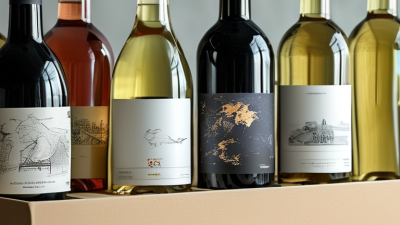
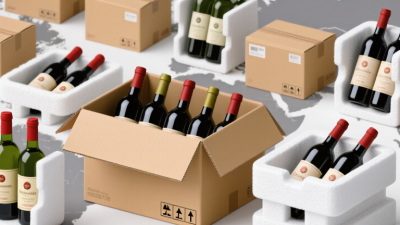
Choosing the right wine boxes for global shipping in 2026 requires more than attractive printing or low unit prices. Each package must protect bottles through warehouse handling, air pressure changes, road vibration, and unexpected drops. A reliable design begins with bottle measurements, including height, diameter, shoulder shape, and closure type. A snug fit matters. Empty space invites movement.
Experienced shippers usually compare molded pulp inserts, corrugated dividers, foam systems, and reinforced outer cartons. The best choice depends on bottle weight, destination, climate, and delivery speed. Heavy glass needs stronger edge protection. Long routes need moisture-resistant materials and secure sealing tape. Practical testing should include compression checks, vibration trials, and controlled drop tests. Packaging performance can change after refrigeration or exposure to humid ports.
Compliance also deserves careful attention. Shipping teams should confirm carrier requirements, destination-country rules, labeling obligations, and documentation procedures before dispatch. Regulations and service conditions can change. Verify them.
Sustainable wine boxes are increasingly important, but environmental claims need evidence. Recyclable materials are useful only when local recycling systems accept them. A lighter carton may reduce transport emissions, yet it could fail under stacking pressure. That trade-off is easy to overlook. It is also where many packaging plans become too optimistic.
This guide examines how to balance protection, cost, sustainability, presentation, and operational reliability. It focuses on measurable decisions rather than attractive assumptions. Even experienced teams can miss one detail. A small insert gap may create a costly breakage claim. Careful selection turns wine boxes into a controlled shipping system, not merely a printed container.
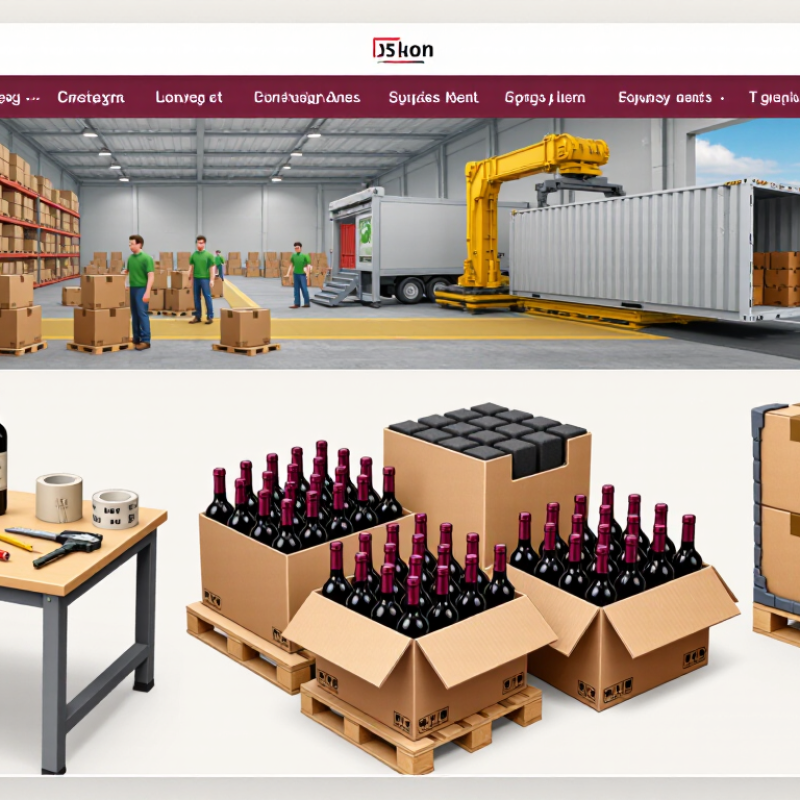
Global wine shipping in 2026 begins with risk, not appearance. The OIV’s 2024 report estimated global wine production at 225.8 million hectolitres, the lowest level since 1961. This volatility makes every shipment valuable. About 80% of global merchandise trade by volume travels by sea, according to UNCTAD’s Review of Maritime Transport 2024. Sea routes expose cartons to vibration, stacking pressure, humidity, and temperature swings. A bottle can survive a warehouse drop, then fail after three weeks of movement. The danger is cumulative. Leaks can damage labels, paperwork, and neighboring cartons. Use molded pulp or engineered dividers, not loose paper. The inner fit should prevent bottle-to-bottle contact and vertical movement. Leave no empty corner. That detail matters.
For global routes, select a tested packaging system, not merely a thick box. ISTA 3A testing evaluates drops, vibration, compression, and atmospheric conditioning. Add a moisture-resistant outer case when condensation or high humidity is likely. Use a strong, fully sealed carton with clear handling marks, while checking destination carrier and customs requirements. Temperature-sensitive wines may need data loggers; insulation alone can only delay warming. Test the heaviest bottle configuration, weakest pallet position, and realistic mixed loads. Do not test an ideal shipment. A common oversight is closure protection. A loose cork or damaged capsule can cause leakage without breaking glass. Overpacking also raises costs and may complicate recycling. Review the design after every damage claim. Packaging decisions are never finished.
| Shipping Dimension | Wine-Specific Risk | Risk Level | Recommended Packaging Requirement | Practical Design Target | Verification or Control Method |
|---|---|---|---|---|---|
| Bottle Breakage | Impact, compression, or vibration can crack glass bottles and release liquid into the parcel. | High | Use a rigid, double-wall corrugated outer box with a fitted molded-pulp, foam, or engineered fiber insert. Each bottle should be individually separated and immobilized. | Maintain a visible clearance zone around each bottle and prevent bottle-to-bottle contact during handling. | Perform drop, vibration, and compression testing on the fully assembled shipping pack. ISTA laboratory protocols may be used as a validation reference. |
| Bottle Neck and Closure Protection | The neck, cork, capsule, or screw cap may receive concentrated impact or abrasion. | High | Provide a shaped neck restraint and a top protective pad. Do not allow the bottle neck or closure to contact the outer carton directly. | Use a snug insert that supports the bottle body and neck without applying damaging point pressure. | Inspect packed units after repeated handling and verify that the closure remains intact and dry. |
| Temperature Exposure | Heat may accelerate wine aging, damage closures, and increase pressure inside sparkling-wine bottles; freezing can expand liquid and cause leakage or breakage. | High | Use temperature-controlled transport for heat-sensitive routes or seasons. Add insulated liners and phase-change materials when a defined temperature range is required. | Set a shipment-specific temperature profile; a common quality-control reference for wine storage is approximately 10–15°C, but the producer’s specification should take priority. | Use temperature data loggers for validation shipments and review lane-level exposure before selecting insulation or reefer service. |
| Pressure and Altitude | Reduced external pressure during air transport can stress closures and increase the chance of leakage, especially in sparkling products. | Medium | Use closures and bottles approved for the product, keep bottles securely restrained, and avoid excessive void space that permits movement. | Test the complete pack under the expected air-transport pressure profile when shipping by air. | Conduct altitude or pressure-chamber testing and inspect for seepage after testing. |
| Liquid Leakage | A damaged bottle or closure can contaminate other parcels, weaken corrugated board, and trigger carrier rejection. | High | Add a liquid-resistant inner bag or sealed secondary containment where permitted. Use absorbent material only as a supplementary measure, not as a substitute for bottle protection. | Secondary containment should be sized for the liquid volume of the largest credible leak and remain sealed during handling. | Use leak simulation, seal inspection, and wet-strength evaluation of the outer carton. |
| Moisture and Humidity | Condensation, rain, or refrigeration humidity can reduce corrugated-board strength and cause carton deformation. | Medium | Select moisture-resistant corrugated material or add a suitable protective overpack for refrigerated and humid routes. | Keep the carton dry during storage and transit; specify board performance for the anticipated humidity conditions. | Check edge-crush or compression performance after humidity conditioning rather than relying only on dry samples. |
| Carton Compression | Stacked parcels, pallet loads, and warehouse handling can crush cartons and transfer force to the bottles. | High | Use an outer case with suitable edge-crush strength and internal dividers. Keep heavy items off the wine carton during consolidation. | Design for the actual stacking height, storage duration, humidity, and pallet pattern instead of using a universal board grade. | Perform compression testing on the final carton geometry and load configuration. |
| Vibration and Repeated Handling | Long-distance road, rail, sea, and air transport can loosen inserts, abrade labels, and fatigue closures. | Medium | Use low-movement inserts with adequate cushioning and prevent contact between bottles, dividers, and carton walls. | Maintain consistent restraint after transport simulation; avoid loose-fill materials that can settle and create voids. | Run random-vibration testing followed by visual inspection and leak checks. |
| Bottle Shape and Size Variation | Different bottle diameters, shoulders, bases, and heights can create loose fits or concentrated stress. | High | Use bottle-specific cavities or adjustable inserts. Do not assume that a package designed for one bottle profile fits another safely. | Verify fit for every approved bottle format, including standard, heavy-glass, sparkling, and unusually shaped bottles. | Measure dimensional tolerances and conduct a packed drop test for each bottle-and-insert combination. |
| Package Weight and Ergonomics | Heavy multi-bottle cartons are harder to lift and more likely to be dropped during manual handling. | Medium | Use smaller pack counts, reinforced hand holes where appropriate, and clear weight markings for warehouse operations. | Set a maximum gross weight based on the carrier’s rules, local manual-handling guidance, and the destination market. | Calculate gross weight before dispatch and confirm compliance with the selected carrier and jurisdiction. |
| Customs and Regulatory Protection | Alcohol shipments may be restricted by destination rules, taxes, age-verification requirements, labeling rules, and carrier policies. | High | Use accurate commercial invoices, harmonized product descriptions, declared quantities and values, required alcohol documentation, and compliant labels. | Confirm requirements for the origin, transit countries, destination, and final-mile carrier before packaging is finalized. | Review current customs and carrier requirements for every shipping lane before the 2026 launch or route change. |
| Dangerous-Goods Classification Check | Wine is generally treated as an alcoholic beverage rather than automatically as dangerous goods, but higher-alcohol products and transport modes may have additional rules. | Medium | Record alcohol by volume, product type, package quantity, and transport mode. Obtain a formal classification review when required. | Do not apply a single global assumption; verify air, sea, road, and destination-specific requirements separately. | Check applicable carrier rules and current IATA, IMDG, ADR, or national requirements where relevant. |
| Tamper Evidence and Security | Unauthorized opening, substitution, or pilferage may occur during multi-carrier international movement. | Medium | Use tamper-evident tape or seals, concealed or reinforced closures, and an external label that does not unnecessarily advertise valuable contents. | Ensure any opening attempt leaves visible evidence and that the carton can be reclosed only with a replacement seal. | Conduct seal inspection at handoff points and use chain-of-custody records for higher-value shipments. |
| Sustainability and Material Recovery | Mixed materials, excessive plastic, and non-recyclable inserts can reduce recyclability and increase disposal costs. | Medium | Prioritize right-sized corrugated board and recyclable fiber inserts where performance testing confirms adequate protection. | Minimize empty space and material variety while retaining required cushioning, containment, and moisture performance. | Document material composition and confirm local recycling compatibility in major destination markets. |
| Labeling and Handling Visibility | Incorrect orientation, missing handling instructions, or concealed shipping labels can increase handling errors and delays. | Medium | Apply durable shipping labels, orientation marks where useful, lot or order identification, and clearly visible handling instructions. | Place labels on a flat, scannable surface and keep barcodes away from seams, edges, and heavy folds. | Perform barcode scans, label-rub testing, and an operational trial through the intended carrier network. |