In 2026, packaging bags are judged by more than their appearance on a shelf. They must protect products, suit filling equipment, and make sense for storage and shipping. A stand-up pouch may keep coffee visible and easy to pour, while a woven bag can handle heavier goods. No single format fits every product.
Packaging educator Walter Soroka’s work on packaging systems offers a useful reminder: a bag should be assessed by how it performs across the product journey, not by looks alone. That is a practical lens for comparing the top packaging bags in 2026. This guide explores flexible pouches, flat and gusseted bags, paper bags, woven sacks, and other common formats. It considers material choices, closures, barrier needs, printing, and convenience. Small details matter. A weak seal or awkward opening can undermine an otherwise thoughtful design.
The best choice depends on the product, handling conditions, customer expectations, and production setup. These trade-offs are not always neat. A premium finish may add cost; a lighter structure may need careful testing. This overview is a starting point, not a substitute for product-specific trials or supplier specifications. It aims to help buyers and product teams ask sharper questions before selecting a bag.
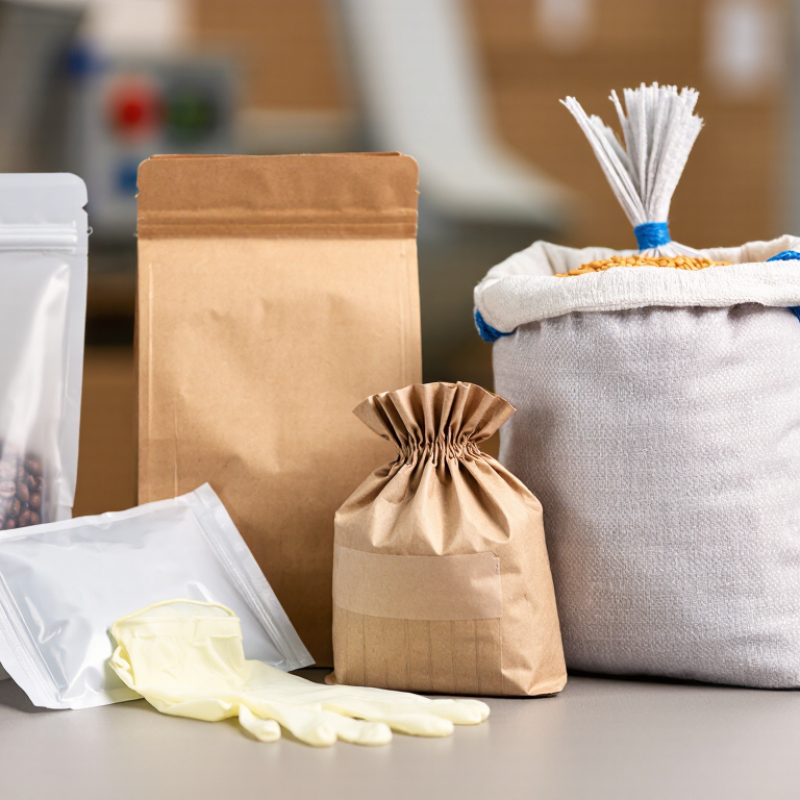
Packaging bags in 2026 are best compared by structure and material, not by appearance alone. Structural types include flat pouches, side-gusset bags, stand-up pouches, and flat-bottom bags. A flat pouch lies compactly on a shelf, while gussets add room for bulkier contents. Stand-up designs use a bottom gusset for display. Flat-bottom bags offer a broad base and squared shape. These formats affect filling, storage, and how easily customers handle the package.
Material is a separate classification. Bags may use one flexible film or several bonded layers. Common material families include polyethylene, polypropylene, paper, and barrier films. Each behaves differently during sealing and handling. A clear film can show the contents, while a paper outer layer gives a more tactile surface. Barrier layers can help limit moisture or oxygen exposure, but performance depends on the complete structure, thickness, and seal quality. A familiar shape does not guarantee the same protection.
Tips: Match the bag to the product’s weight, moisture sensitivity, and filling method. Check the bottom seam and zipper with a small sample before choosing a format. That distinction matters. Material labels can be confusing, and layered packs may be harder to sort or recycle in some local systems. I would verify supplier specifications and test a filled bag under real storage conditions; a neat sample can still fail after transport.
| Packaging Bag Type | Structural Classification | Common Material Construction | Typical Applications | Key Functional Characteristics |
|---|---|---|---|---|
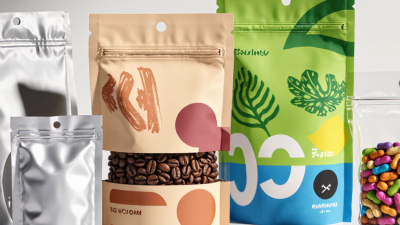
| Stand-Up Pouch | Flexible pouch with a bottom gusset that opens to form a stable base; may include a zipper or fitment. | Commonly PET/PE or PET/AL/PE laminates; structures vary with barrier and sealing requirements. | Snacks, dried foods, pet treats, coffee, and household products. | Stands upright on shelves; can combine resealability with protection from moisture, oxygen, or light, depending on its layers. |
| Three-Side-Seal Pouch | Made from two flexible webs joined along three edges, with one edge left open for filling and sealing. | Examples include PET/PE and PET/AL/PE laminates. | Single-serve foods, powders, condiments, personal-care samples, and medical products. | Compact and easy to fill; barrier performance depends on the selected film structure. |
| Pillow Pouch | Formed from rollstock with a longitudinal back seal and sealed top and bottom edges. | Common film combinations include OPP/CPP and PET/PE. | Confectionery, snack foods, frozen products, and individually wrapped items. | Efficient for high-speed form-fill-seal production; typically has a simple, flexible shape. |
| Side-Gusset Bag | Bag with expandable folds along both sides; the base is generally flat or formed during filling. | May use paper/foil/PE or PET/AL/PE laminates, depending on the product and barrier needs. | Coffee, tea, powdered products, and dry ingredients. | Side folds expand to increase capacity; often paired with a one-way degassing valve for packaged coffee. |
| Quad-Seal Bag | Bag with four sealed corner panels and a gusseted base, creating a squared-off shape. | Often made from multilayer flexible laminates such as PET/AL/PE. | Coffee, pet food, and other dry products sold in larger packs. | Maintains a box-like profile and offers multiple printable panels; the base can support upright display. |
| Block-Bottom Bag | Bag with a flat, rectangular bottom that helps it stand; side gussets may be included. | Commonly kraft paper, sometimes combined with an inner polymer liner or barrier layer. | Flour, sugar, grains, dry foods, and retail takeaway products. | Provides a stable base and broad front and back panels; protection depends on the paper grade and any liner. |
| Spouted Pouch | Flexible pouch fitted with a rigid or semi-rigid spout, usually sealed into a corner or top edge. | Typically a sealable multilayer laminate; the exact layers are selected for the product and filling process. | Beverages, sauces, purées, detergents, and refill products. | Allows controlled pouring and reclosing when fitted with a cap; pouch barrier properties vary by construction. |
| Retort Pouch | Heat-sealed, multilayer pouch designed to withstand a validated thermal sterilization process. | May use structures such as PET/aluminum foil/retort-grade polypropylene; designs depend on processing conditions. | Ready meals, soups, sauces, and shelf-stable seafood or meat products. | Combines flexible packaging with heat-processing capability; the pouch and seal system must be matched to the retort process. |
| Vacuum Pouch | Flexible pouch sealed after air is removed from around the product. | Commonly nylon/PE or coextruded PA/PE films, with construction chosen for puncture resistance and oxygen barrier. | Fresh meat, cheese, processed foods, and some industrial components. | Close product contact and reduced package air can help limit oxidation; the material does not replace safe handling or refrigeration where required. |
| Paper SOS Bag | Self-opening square bag, usually with a flat bottom and side gussets. | Typically kraft paper; some versions include a polymer-coated surface or separate liner. | Bakery goods, groceries, takeaway food, and dry retail items. | Opens into a stable shape for filling; moisture and grease resistance depend on coatings, liners, and paper specification. |
Material examples are common constructions, not fixed specifications. Actual layer combinations and barrier performance vary by product, filling method, sealing process, and local recycling or packaging requirements.